Understanding Cultural Healing Practices

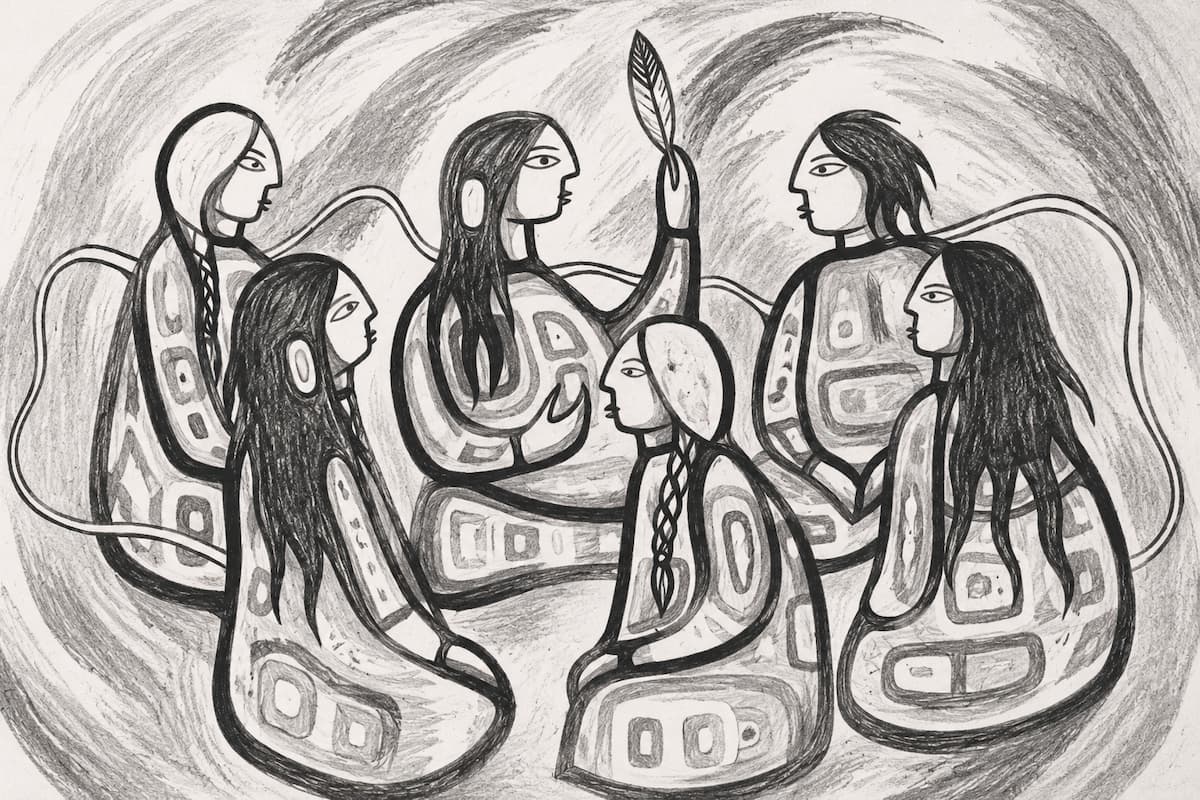
When you think about healing, you probably picture a doctor's office or a prescription. But across countless cultures, healing means something deeper. It connects your body, mind, emotions, and spirit while tying you to your community and heritage.
These practices don't just treat symptoms; they address what's beneath them. Understanding how they work—and why they matter—starts with seeing health through a wider lens than you might expect.
Key Takeaways
- Cultural healing integrates historically rooted, non-Western traditions, rituals, and community-defined knowledge into Western institutions as pathways to wellness.
- Indigenous frameworks define health as a dynamic balance among physical, mental, emotional, and spiritual dimensions, addressing root causes over symptoms.
- Practices include smudging with sacred medicines—tobacco, cedar, sage, and sweetgrass—talking circles, and ceremonies combining spirituality, nature, and community.
- Community belonging and healthy relationships restore cultural identity, support trauma healing, and foster resilience and validation.
- Cultural healing blends effectively with Western medicine, ensuring equitable, holistic, and culturally safe care that builds trust and engagement.
What Cultural Healing Is and Why It Matters
Cultural healing is the practice of bringing historically rooted traditions from non-Western and underrepresented cultures into mainstream Western institutions, where they exist alongside biomedical care rather than competing with it.
When you understand this approach, you see that it values community-defined knowledge, rituals, and traditions as legitimate pathways to wellness. It emphasizes your reconnection with cultural vibrancy and strengths, treating that connection as central to health. This reconnection enhances health and wellness by restoring the cultural ties that sustain well-being.
What sets cultural healing apart is how it confers personal, social, religious, and moral meaning to affliction and recovery. Rather than addressing symptoms alone, it situates your healing within community context, local cosmologies, and traditional concepts of balance, harmony, and order.
This matters because it reframes illness as something tied to identity and belonging, not just biology. When you engage with these practices, you draw on ancestral knowledge and shared values, giving your recovery a structure and meaning that purely clinical treatment often can't provide.
How Indigenous Healing Treats the Whole Person
Indigenous healing frameworks define health not as the mere absence of disease, but as a dynamic balance among your physical, mental, emotional, and spiritual dimensions.
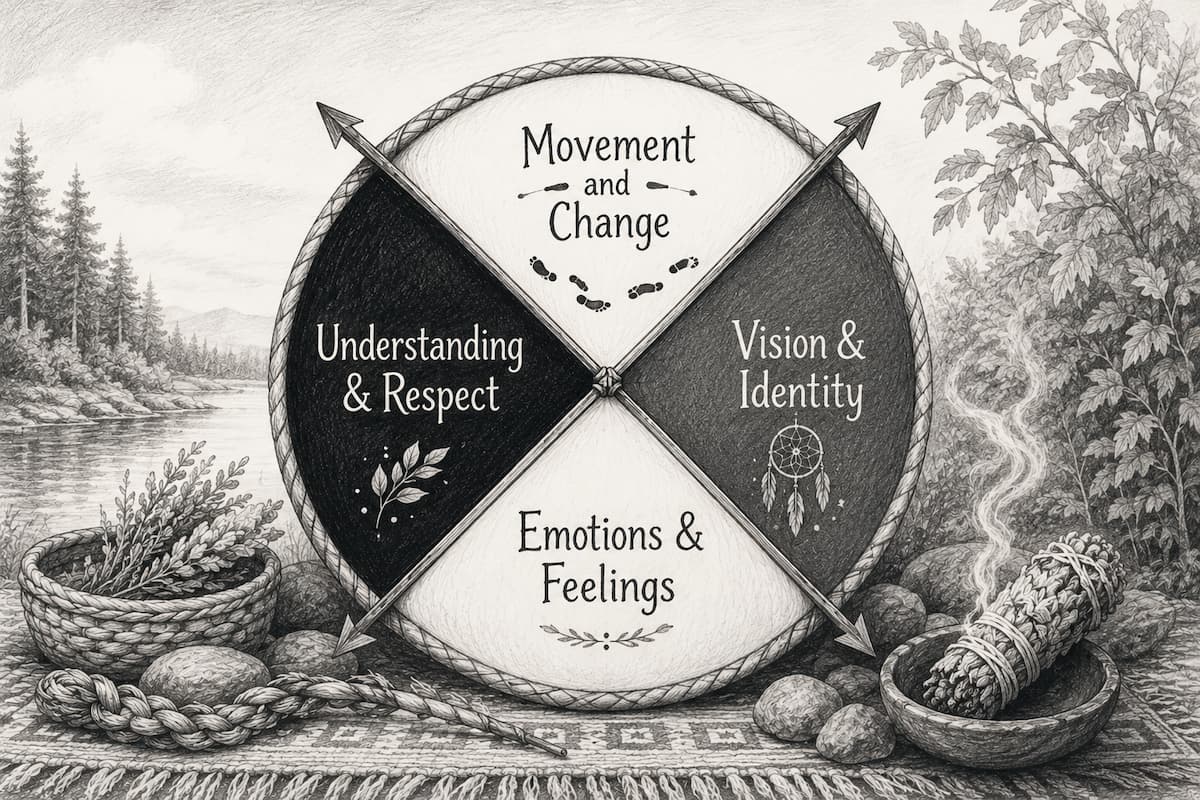
Rather than isolating symptoms, these whole-person approaches search for the root causes of your distress, recognizing that imbalance in one area ripples through the others. When you engage with Indigenous-informed care, you'll find simultaneous attention given to biological, psychological, social, and spiritual factors, all treated as mutually influencing systems. This integrated understanding reflects the medicine wheel concept, which emphasizes balance across the mental, emotional, physical, and spiritual aspects of life.
This holistic view extends beyond you as an individual. Your wellness depends on your relationships with family, community, land, and spirit, so healing often involves restoring harmony across these networks.
Daily practices like reciprocity, gratitude, and caretaking of the land become health-promoting activities that sustain that balance.
Within this model, healers, elders, and community members share interconnected roles, preserving knowledge across generations and reminding you that your individual wellbeing is inseparable from collective wellbeing.
Ceremonies, Plant Medicines, and Talking Circles
Building on that whole-person philosophy, specific practices bring the balance of body, mind, emotion, and spirit into action. Healing ceremonies combine spiritual connection, natural medicine, and community participation to create multi-layered effects, often guided by elders or spiritual leaders who open and close with prayers and blessings.
You'll encounter the four sacred medicines—tobacco, cedar, sage, and sweetgrass—each carrying long-standing value. Cedar works as an antioxidant and anti-inflammatory, soothing coughs, fevers, and sprains, while sage addresses ailments like canker sores and gingivitis and cleanses your environment. Before a circle begins, smudging with sage or sweetgrass purifies and protects the space.
Talking circles offer structured support, seating you in an unbroken circle with a doorway to the east. A talking piece passes clockwise, granting whoever holds it full attention. The 21 strands in a sweetgrass braid represent your connection to ancestors, with the first seven symbolizing the generations behind you and the last seven the generations ahead.
You'll move through introductions, focused discussion of the harm, and healing strategies, all protected by confidentiality and grounded in mutual respect.
Why Community Connection Powers Cultural Healing
Belonging sits at the heart of cultural healing, and when you reconnect with your community, you restore the cultural identity that gives that healing its power.
Cultural healing connects you to your traditions, customs, and practices through relationships, not in isolation. For Aboriginal survivors disconnected from family, land, and culture, reconnection and a collective approach proved essential, because deep healing typically happens within community rather than alone. Trauma heals in healthy relationships where individuals feel seen, heard, validated, and respected.
When you combine social ties with cultural belonging—what researchers call socio-cultural integration—you support holistic health, reduce distress, and build resilience.
Collective, community-based programs have produced real improvements in wellbeing for survivors of institutional abuse. The benefits extend to your body, too: strong social connection is linked to roughly a 50% greater chance of longevity, while isolation raises the risk of early death.
Blending Indigenous Healing With Western Medicine
When you bring Indigenous healing and Western medicine together, you don't have to choose between ceremony and clinical care—you can draw on both.
Programs like Canada's adapted Seeking Safety model show what's possible: Elders, sharing circles, and traditional teachings work alongside trauma and addiction therapy, improving retention while reducing substance use and trauma symptoms.
This blended approach supports holistic wellness, treating your physical, emotional, mental, and spiritual health as connected, and it addresses colonial trauma that standard diagnostic categories often miss.
You'll find smudging, prayer, storytelling, and land-based activities used together with psychotherapy, medication, and case management.
The guiding principle is equity between knowledge systems, so Indigenous healing isn't a symbolic add-on but a primary modality. This work has been especially studied within Aboriginal communities in Northeastern Ontario, Canada, where intergenerational trauma and substance use disorders intersect.
When you experience this kind of care, you're more likely to trust it, feel culturally safe, and stay engaged—gaining empowerment and self-determination that mainstream systems have too often denied Indigenous communities.
How NIHB Supports Indigenous Cultural Healing
Funding often determines whether blended care like that adapted Seeking Safety model stays accessible or remains out of reach, and that's where Canada's Non-Insured Health Benefits (NIHB) program plays a key role.
Administered by Indigenous Services Canada, NIHB covers health benefits that provinces and territories don't insure for eligible registered First Nations and recognized Inuit. Since 2015/2016, its mental health counselling benefit has funded short and long-term, crisis-focused, and therapeutic sessions delivered in culturally safe ways.
You can access providers like psychologists and clinical social workers who integrate cultural healing methods, teachings, and ceremonies into your treatment plan where appropriate. The program also acknowledges traditional healing practices by offering coverage for consultations with Elders or Healers.
Through pre-approval processes, NIHB funds intensive counselling blocks and community-based delivery, while medical transportation and accommodation coverage remove barriers if you're traveling from a remote community.
Flexible service locations—in community, in clinics, or via telehealth—let counselling connect with healing circles, and complementary supports like the Hope for Wellness Helpline extend that reach further.
This article is intended for educational and informational purposes only and should not be considered medical, legal, or financial advice. NIHB policies, provider eligibility, and coverage procedures may change over time and can vary depending on individual circumstances. For the most current information, contact Indigenous Services Canada, Express Scripts Canada, or a qualified healthcare provider familiar with NIHB mental health counselling services. If you are experiencing a mental health crisis or require urgent support, contact emergency services, 9-8-8, or Hope for Wellness immediately.