What Happens After My NIHB Counselling Sessions End?

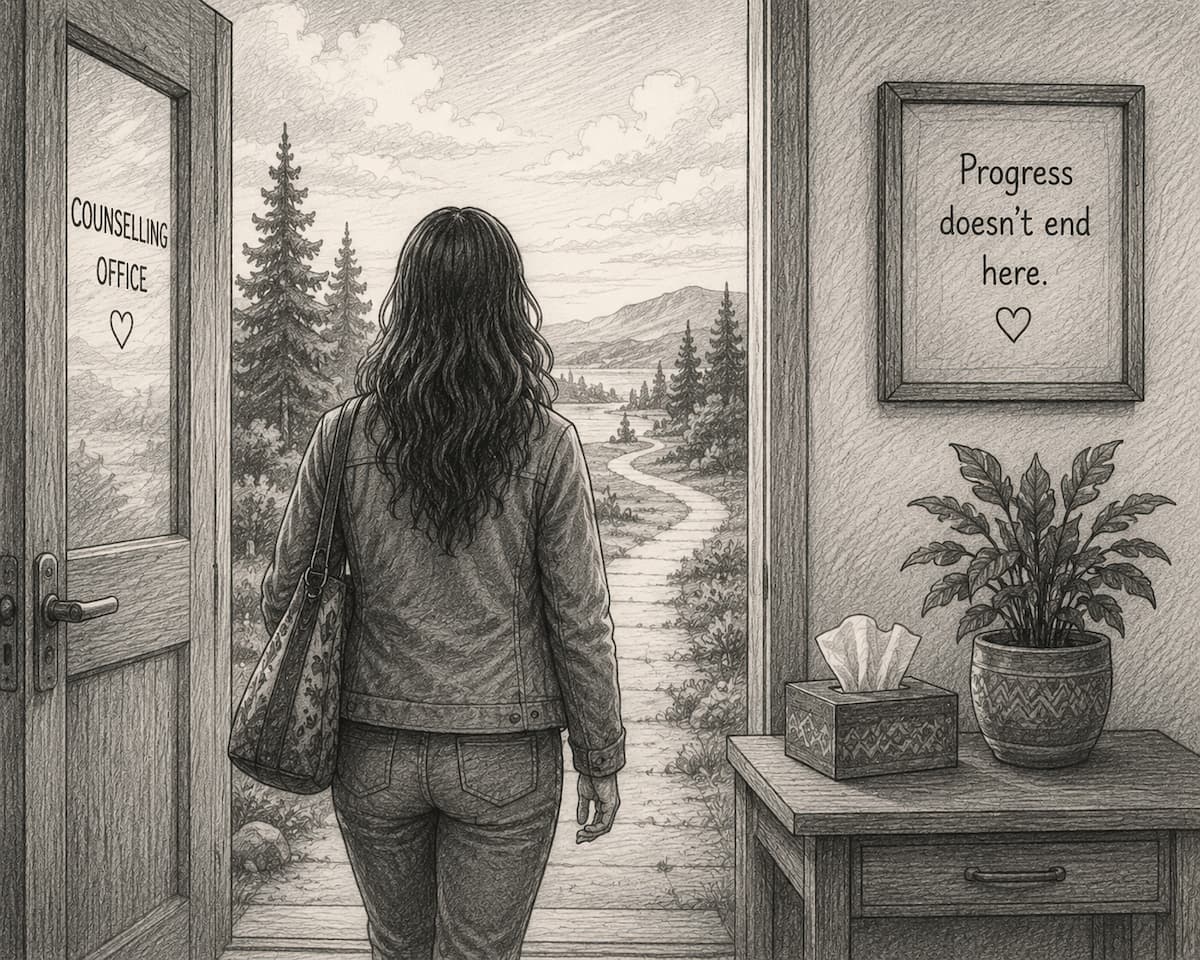
Reaching the end of your approved NIHB counselling sessions doesn't necessarily mean your mental health journey is over. Depending on your progress and current needs, several different options may be available.
For many people, counselling concludes because they've met their goals and feel ready to move forward independently. Others may benefit from additional sessions, while some transition to community-based mental health supports.
Understanding what happens next can help you and your counsellor plan ahead and avoid interruptions in care.
Your Counsellor Will Review Your Progress
As you approach the end of your approved sessions, your counsellor will review how therapy has been going.
Together, you'll discuss questions such as:
- Have your original therapy goals been achieved?
- Are your symptoms improving?
- Do you still require ongoing counselling?
- Are there other services that may better meet your needs?
This conversation helps determine the most appropriate next step based on your individual situation.
You May Complete Counselling
Many clients complete counselling within their approved sessions.
If you've achieved your goals, your counsellor may recommend ending therapy while discussing strategies for maintaining your progress. You may also receive recommendations for self-care, community supports, or resources to help you continue managing your mental health independently.
Ending counselling doesn't mean you can't seek support again in the future if your circumstances change.
Additional NIHB Counselling Sessions May Be Requested
If you continue to benefit from therapy and additional treatment is clinically necessary, your counsellor may request more counselling hours through NIHB.
Requests beyond the standard annual counselling benefit are reviewed individually and aren't automatically approved.
Your provider will typically submit updated clinical information explaining:
- Your progress so far
- The goals that still need to be addressed
- Why additional counselling is medically necessary
- How further treatment is expected to benefit you
NIHB reviews each request on a case-by-case basis before making a decision.
You May Be Referred to Other Supports
In some situations, your counsellor may recommend transitioning to other services that better meet your ongoing needs.
These may include:
- Community mental health programs
- Indigenous healing and wellness services
- Group counselling
- Peer support programs
- Substance use treatment services
- Crisis services when appropriate
The goal is to ensure you continue receiving the right level of care, even if NIHB-funded counselling has ended.
Can I Access NIHB Counselling Again?
Yes. NIHB mental health counselling benefits are provided on a calendar-year basis.
If you require counselling again in the future and continue to meet the eligibility requirements, you may be able to access new counselling hours in a subsequent calendar year.
If you experience a new mental health concern or significant life event, speak with an NIHB-enrolled provider to discuss your options.
Talk With Your Counsellor Before Your Sessions End
It's helpful to begin discussing next steps several sessions before your approved counselling hours are exhausted.
Planning ahead gives your counsellor time to:
- Review your progress
- Prepare any additional approval requests if appropriate
- Connect you with other supports if needed
- Help ensure continuity of care
Having this conversation early can reduce the likelihood of interruptions in your treatment.
Final Thoughts
Completing your approved NIHB counselling sessions is simply another step in your mental health journey. For some people, it marks a successful conclusion to therapy. For others, it may be the right time to request additional counselling or transition to other community supports.
Your counsellor will work with you to determine the most appropriate next steps based on your progress, goals, and ongoing needs, helping ensure you continue receiving the support that's right for you.
This article is intended for educational and informational purposes only and should not be considered medical, legal, or financial advice. NIHB policies, provider eligibility, and coverage procedures may change over time and can vary depending on individual circumstances. For the most current information, contact Indigenous Services Canada, Express Scripts Canada, or a qualified healthcare provider familiar with NIHB mental health counselling services. If you are experiencing a mental health crisis or require urgent support, contact emergency services, 9-8-8, or Hope for Wellness immediately.