
Do Antidepressant Withdrawal Nightmares Include Death Themes

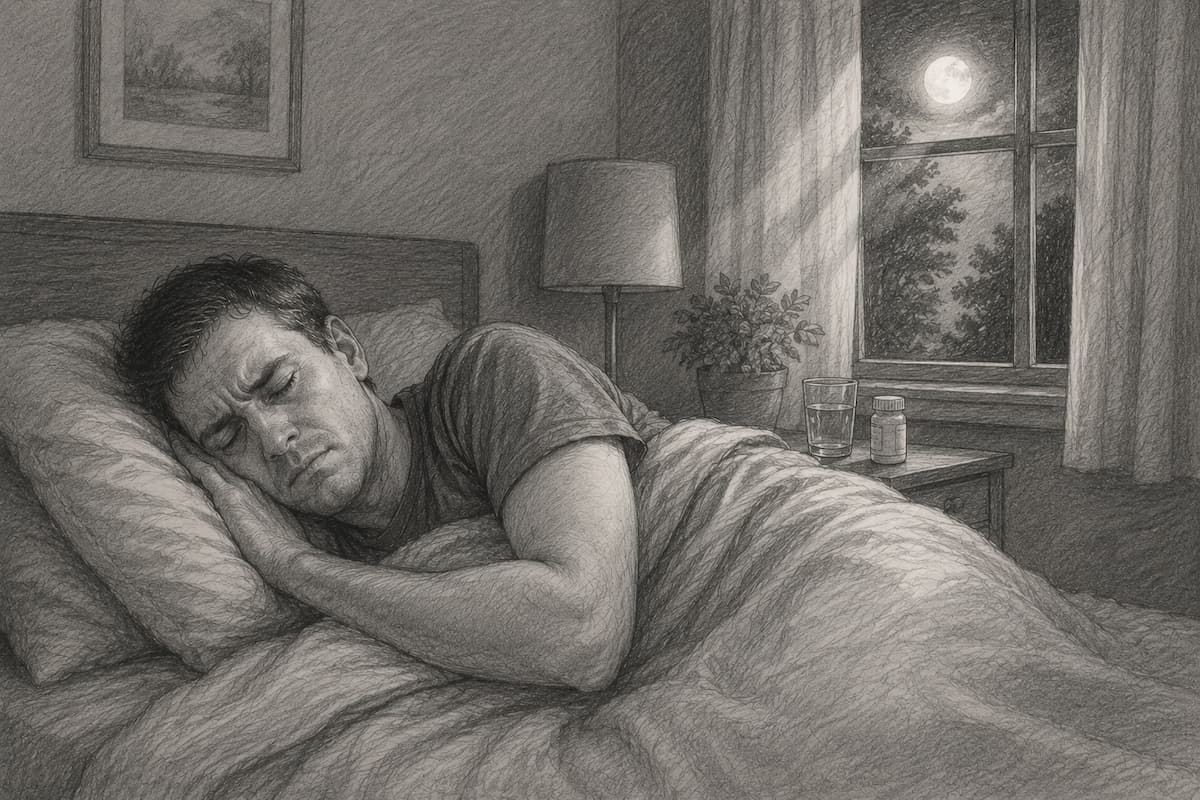
Picture waking at 3 a.m., heart pounding, after dreaming you watched someone you love slip away. If you're tapering off an antidepressant, you might wonder whether these dark, death-themed nightmares are normal—or a warning sign.
The truth is more layered than you'd expect. Withdrawal can reshape your dreams in striking ways, and death themes do surface for some people. But why they appear, and what they mean, deserves a closer look.
Key Takeaways
- Vivid dreams and nightmares are confirmed antidepressant withdrawal symptoms, though specific death themes have not been formally quantified in research.
- Indirect evidence suggests death themes are plausible, as mortality-laden content commonly appears in mood and anxiety disorders.
- Research indicates nightmares often feature threatening and catastrophic loss themes, which align with death-related content.
- Withdrawal can reignite baseline depression and anxiety, further favoring dark, mortality-focused dream content.
- REM rebound during withdrawal intensifies emotional memory processing, producing sharper, more emotionally charged and disturbing nightmares.
Why Antidepressant Withdrawal Sparks Vivid Nightmares
When you stop taking an antidepressant, your brain doesn't simply return to its previous state overnight; it has to recalibrate the very chemical systems that govern sleep and dreaming.
Serotonergic medications alter signaling in brainstem and limbic regions that regulate your sleep cycles, so when you discontinue them, synaptic serotonin drops and disinhibits cholinergic and dopaminergic pathways tied to vivid internal imagery.
Antidepressants reshape your brain's chemistry, so stopping them releases the very pathways that fuel vivid, dreamlike imagery.
This sudden shift in monoamine balance heightens limbic activity and emotional memory processing, sharpening your nightmares' intensity. During withdrawal, REM rebound significantly increases REM time and density, leading to longer, more vivid dreams.
At the same time, withdrawal commonly fragments your sleep, causing insomnia and frequent awakenings during dream-rich stages, which means you remember vivid dreams you'd otherwise sleep through.
Layered onto this, hyperarousal, anxiety, and elevated stress hormones amplify the affective charge of your dreams, pulling daytime worries into threatening nighttime narratives.
Together, these neurochemical and architectural disruptions explain why your dreams suddenly feel so much darker and more real.
How REM Rebound Fuels These Intense Nightmares
While you were taking your antidepressant, the medication likely suppressed your REM sleep, shortening the time you spent in that dream-rich stage and pushing it later into the night.
Once you stop, your brain compensates through REM rebound, packing in the dreaming it missed. This catch-up mechanism shifts REM episodes toward sleep onset, so you might dream the moment you drift off rather than progressing gradually through lighter stages. This pattern is a classic example of REM rebound, which occurs after periods of sleep deprivation or irregular sleep schedules.
During rebound, REM density climbs, increasing rapid eye movements and cortical activation that make your dreams feel sharper and more emotionally charged.
Your shortened REM latency can fragment sleep, triggering frequent awakenings that boost how vividly you recall these nightmares. You may also notice autonomic activation—a racing pulse or quickened breathing—that registers as genuine fear within the dream.
Because these recurring REM episodes often cluster in the latter half of the night, you can experience several intense nightmares in a single sleep period.
Do Death Themes Really Show Up in Withdrawal Nightmares?
You might wonder whether death really shows up in these nightmares, or whether that's just an alarming coincidence you've experienced firsthand.
Here's the honest answer:
clinical guidelines confirm that vivid dreams and nightmares are core withdrawal symptoms, but they don't specify exact themes like death, injury, or mutilation.
Research on discontinuation syndrome stays limited and often conflicting, and studies typically measure withdrawal with broad symptom scales rather than coding what your dreams actually contain.
So there's no solid prevalence data telling you how often mortality shows up.
That said, indirect evidence makes death themes plausible. Nightmare research in mood and anxiety disorders consistently shows threat, pursuit, and catastrophic loss as common motifs, and depression with suicidal ideation correlates with dreams about death or self-harm.
Since withdrawal often reignites baseline depression, anxiety, and fragmented sleep, you're facing conditions that favor threatening, mortality-laden content—even if formal studies haven't quantified it yet. In one survey of peer support group members, the mean number of symptoms reported climbed from 8 before withdrawal to 19.1 after, underscoring how dramatically the experience can intensify distressing symptoms.
Which Antidepressants Carry the Highest Nightmare Risk
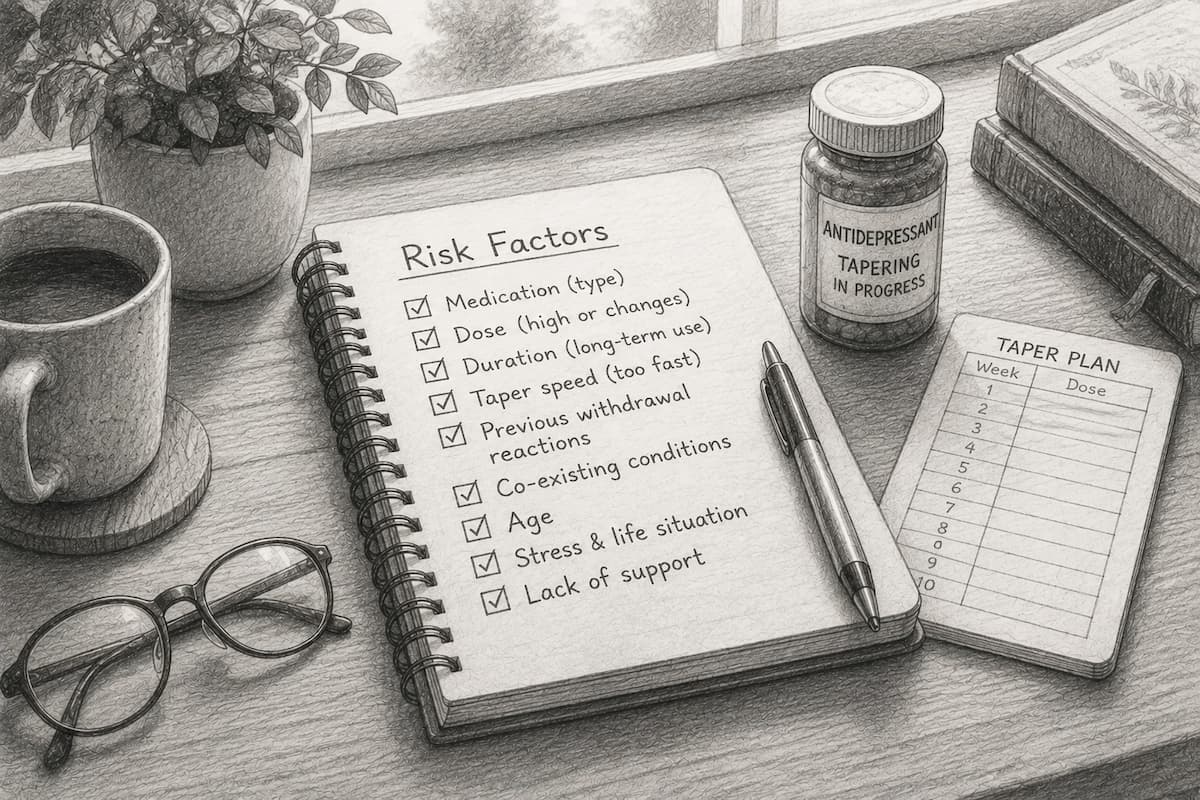
Although no single antidepressant guarantees a night of vivid distress, certain classes do carry a higher risk of withdrawal-related nightmares, and knowing which ones can help you anticipate what to expect.
MAOIs like phenelzine and tranylcypromine top the list, because they strongly suppress REM sleep during treatment. When you stop them, your brain compensates with a powerful REM rebound, triggering intense, sometimes disturbing dreams alongside insomnia and vivid imagery.
Tricyclic antidepressants follow a similar pattern, reducing REM during treatment and producing vivid dreams when you discontinue them, even though many people find them sedating. Tricyclic antidepressants are also associated with more positive dream emotions during treatment, which can make the contrast upon withdrawal feel especially jarring.
SSRIs, such as fluoxetine, are repeatedly linked with vivid dreams and occasional nightmares, and research suggests they're associated with more negative dream emotions than tricyclics.
SNRIs share these serotonergic mechanisms and similarly alter REM sleep, placing them in the higher-risk group too. Understanding your specific medication helps you prepare for what's coming.
When Violent Nightmares Signal REM Sleep Behavior Disorder
When nightmares cross the line from disturbing dreams into physical action, they may signal something more serious than ordinary withdrawal effects. REM Sleep Behavior Disorder (RBD) occurs when your normal muscle paralysis during REM sleep fails, letting you physically act out vivid, often violent dreams. Instead of lying still, you might shout, swear, punch, kick, grab, or even leap from bed while defending against an imagined attacker.
These behaviors aren't brief twitches; they're complex and seemingly purposeful, and they often match the threatening storyline you recall on waking.
Several red flags distinguish RBD from typical nightmares. Episodes usually emerge in the latter half of the night, recur over months or years, and may gradually worsen rather than spiking only during stress.
Untreated, RBD raises your risk of injury to yourself or your bed partner. Because it can precede neurodegenerative conditions like Parkinson's disease, you should seek evaluation promptly. The largest post-mortem analysis to date has confirmed the link between iRBD and α-synuclein deposits in the brain regions that regulate REM sleep.
How Withdrawal Nightmares Wreck Your Mood and Sleep
Most withdrawal nightmares don't escalate into the physical thrashing seen in RBD, but they still inflict real damage on your nights and days. As REM rebound intensifies your dreams, you'll likely face frightening scenarios repeatedly in a single night, fragmenting your sleep and stripping away restorative deep sleep.
Each awakening can trigger nocturnal panic, tachycardia, sweating, and a racing autonomic response that makes falling back asleep difficult. Over time, you might dread bedtime, delaying or avoiding sleep entirely, which only worsens your insomnia.
Every panicked awakening makes bedtime feel more threatening, fueling avoidance that deepens insomnia and prolongs your suffering.
The damage doesn't stay confined to the night. Fragmented sleep leaves you with daytime sleepiness, cognitive slowing, and trouble concentrating. Distressing dream content amplifies morning dysphoria, dread, and emotional exhaustion, dragging your overall mood lower.
Because your sleep architecture can't properly process emotions overnight, anxiety, irritability, and low mood intensify. Nighttime horror dreams can even fuel daytime panic attacks, compounding an already exhausting recovery.
Tapering Strategies That Calm Nightmares for Good
If withdrawal nightmares have made you dread every taper step, the good news is that how you reduce your dose matters far more than most people realize.
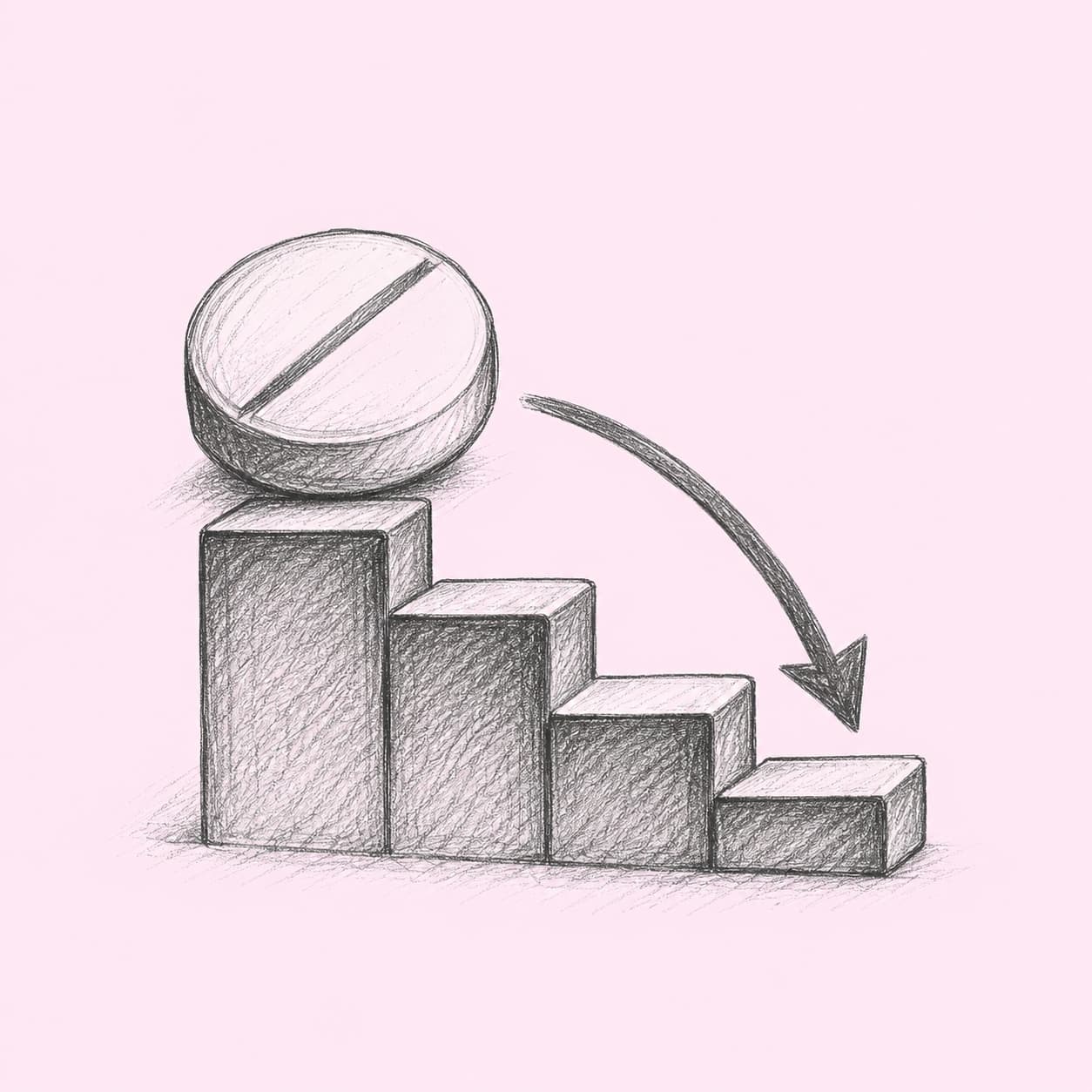
Hyperbolic tapering, where you make progressively smaller percentage cuts, smooths the changes in serotonin and noradrenaline receptor occupancy that drive REM rebound and vivid dreams. A schedule like 50mg to 25mg, then 15mg, 10mg, 6mg, 4mg, 2mg, 1mg, and finally zero produces steadier neuroadaptation than abrupt drops. This matters because brain imaging supports slow tapering to reduce withdrawal symptoms.
If you're coming off a short half-life drug like paroxetine, switching to fluoxetine first can buffer those sharp neurochemical swings, since its long half-life keeps plasma levels gradual.
Stay symptom-guided: when nightmares or insomnia flare, slow the rate. If symptoms turn severe, reinstating your last effective dose usually resolves them within about 24 hours, after which you restart a gentler taper.
This adjustable, patient approach gives your brain the time it genuinely needs.
Looking for a more in-depth resource? The Harm Reduction Guide to Coming Off Psychiatric Drugs by Will Hall offers a harm-reduction perspective on psychiatric medications, withdrawal, and making informed decisions about coming off medications.
The guide is available free through Fireweed Collective and has been translated into multiple languages.
Frequently Asked Questions
Can Children and Adolescents Experience Antidepressant Withdrawal Nightmares Too?
Yes, your child can experience withdrawal nightmares too. When SSRIs are reduced or stopped abruptly, rapid serotonergic shifts disrupt REM sleep, triggering vivid, distressing dreams. You'll minimize this risk by tapering gradually and monitoring sleep closely.
Do Natural Supplements or Melatonin Help Reduce Withdrawal Nightmares?
You won't find solid proof that natural supplements help. Melatonin's especially tricky—it might improve your sleep, but it can also trigger vivid dreams or nightmares in some people. So you'd be experimenting without controlled evidence backing it.
Are Withdrawal Nightmares Different From Nightmares Caused by Other Medications?
Yes, they're different. You'll notice withdrawal nightmares cluster around dose reduction or stopping, appearing alongside other withdrawal symptoms. Medication-induced nightmares start after beginning or increasing a drug and often persist throughout your treatment.
How Long After Stopping Antidepressants Can Nightmares First Appear?
Your brain doesn't wait politely. You might catch nightmares just 1–2 days after stopping, though they typically crash your sleep within the first week or two. Occasionally, they'll fashionably arrive weeks later instead.
Can Recurring Death-Themed Nightmares Cause Lasting Psychological Trauma?
Yes, they can. When you experience recurring death-themed nightmares, you're facing a hallmark trauma symptom that can deepen distress, fuel anxiety and hypervigilance, disrupt your sleep, and worsen lasting psychological harm over time.