Land-Based Healing Programs
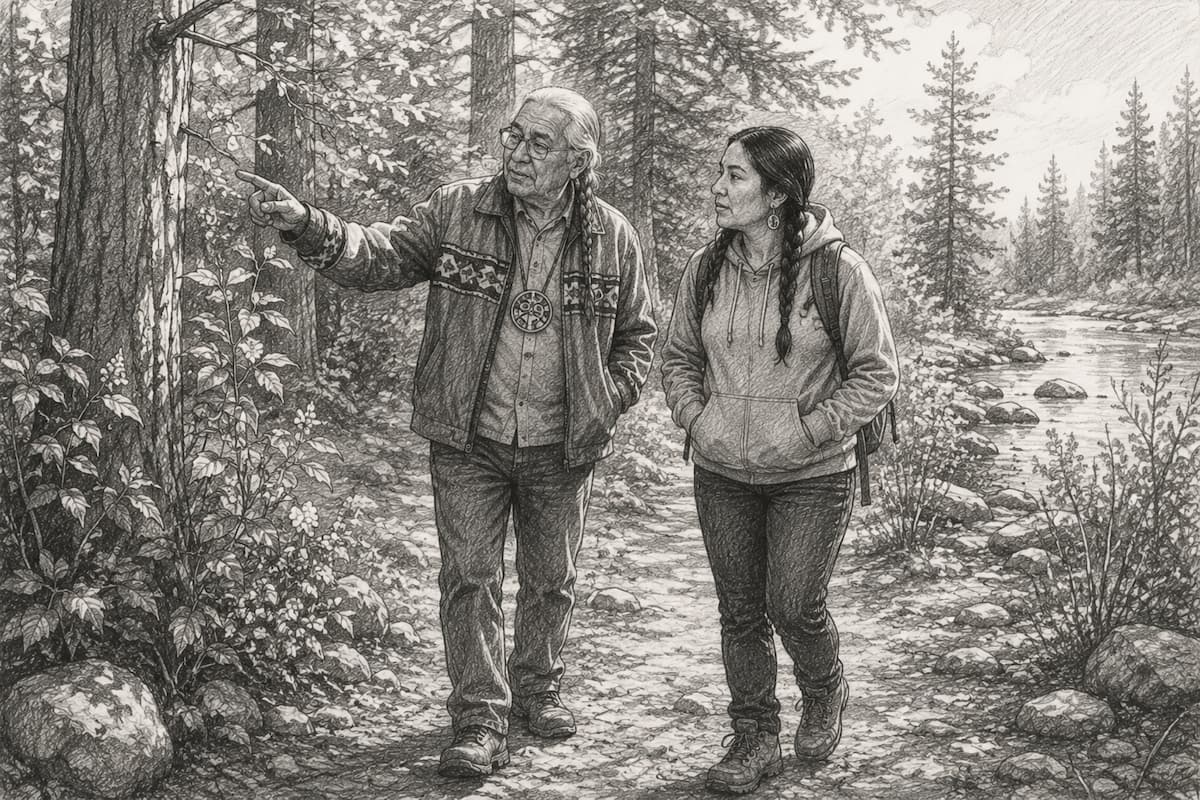
If you're seeking a path to wellness that honors Indigenous traditions, land-based healing programs offer something distinct. Across Canada, these programs reconnect communities with practices colonization disrupted—smudging, hunting, and talking circles guided by Elders.
You'll find them in remote settings, where small groups heal together. The outcomes are real, from reduced anxiety to renewed cultural pride. But what actually happens at one of these camps? Let's take a closer look.
Key Takeaways
- Land-based healing programs use remote camps and traditional territories to reconnect Indigenous participants with cultural wellness practices disrupted by colonization.
- Activities include ceremonies like smudging and sweat lodges, traditional skills such as hunting and fishing, and clinical supports like counselling.
- Participation reduces depression, anxiety, and distress while building self-esteem, cultural pride, and supporting substance use recovery.
- Notable programs include the Arctic Indigenous Wellness Foundation, Unist'ot'en Healing Centre, Gwekwaadziwin Miikan, and Mushkegowuk in Ontario.
- Access typically requires assessment and referral through community health centres, with travel covered by Non-Insured Health Benefits for eligible clients.
What Land-Based Healing Programs Involve
When you picture a land-based healing program, imagine a setting far from the noise of urban centres—a remote camp, a stretch of traditional territory, or a community land base where people gather to reconnect with culture, land, and one another.
These programs run as multi-day camps, seasonal culture camps, or recurring land visits structured around local harvesting cycles. You'll often find small cohorts—youth, families, or people working through substance use—guided by Elders, knowledge keepers, cultural teachers, land users, and clinical staff like counsellors or nurses. At their core, these programs reconnect individuals to traditional wellness practices that have been disrupted by generations of colonization and dispossession.
Your days unfold around land-based activities, shared meals, group circles, and quiet reflection on the land. Expect ceremony, such as smudging, prayer, or sweat lodge, alongside practical skills like hunting, fishing, fire-making, and gathering traditional foods and medicines.
Many programs weave in clinical supports, including talking circles, one-on-one counselling, and trauma-informed care, so healing addresses body, mind, and spirit together.
How Land-Based Healing Improves Health and Wellbeing
Now that you understand what happens during these programs, you might wonder what the actual outcomes look like for the people who take part. Community studies and evaluations consistently link time on the land with reduced depression, anxiety, and psychological distress.
Time on the land consistently links to reduced depression, anxiety, and psychological distress for those who take part.
As your relationship to land and culture strengthens, you'll often notice improved self-regulation, emotional balance, and a genuine sense of calm.
These programs also support substance use recovery. When you combine time outdoors with cultural teachings and ceremony, you're more likely to maintain sobriety, and you can engage in healing without the racism or stigma that pushes many people away from mainstream services.
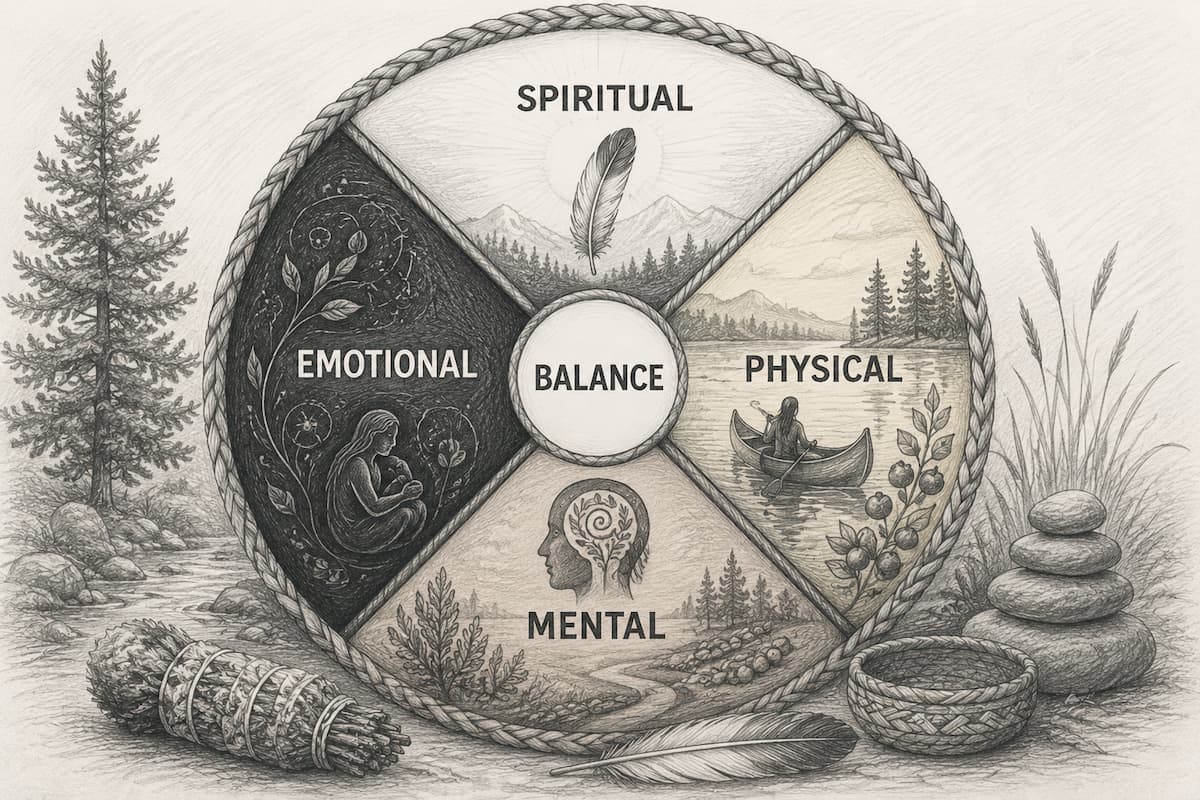
The benefits extend further. Reconnecting with traditional territories alongside Elders builds self-esteem, confidence, and cultural pride, while renewing your sense of purpose and hope. This reflects an Indigenous holistic health view that emphasizes full mental, physical, spiritual, and emotional well-being rather than just the absence of disease.
You'll likely become more physically active too, through hunting, trapping, and walking, which lowers stress and supports your holistic, whole-body wellness.
Real Land-Based Healing Camps Across Canada
Although the science behind land-based healing matters, you'll find the real story written into the camps themselves—the teepees, cabins, rivers, and traditional territories where this work actually happens.
In the Northwest Territories, you can visit the Arctic Indigenous Wellness Foundation's bush camp near Yellowknife or the Łı́ı́dlı̨ı̨ Kų́ę́ First Nation's seasonal camp near Fort Simpson, where participants learn Dene practices over extended stays.
In British Columbia, the Unist'ot'en Healing Centre offers river- and forest-based programs on Wet'suwet'en territory, while Carrier Sekani Family Services delivers cabin-based healing for families.
You'll also find Jessica Barudin's intensive trauma camps supporting frontline workers.
In Ontario, Gwekwaadziwin Miikan guides young adults through wilderness expeditions on Manitoulin Island, and the Mushkegowuk program combines land-based detox with residential treatment for youth and adults. In Manitoba, a new land-based learning and healing project in Churchill connects Indigenous youth with archaeological and heritage sites to support their wellness and identity.
Each camp reflects its community's land, teachings, and needs, proving this healing isn't theoretical—it's rooted in real, lived places.
How to Access and Fund Land-Based Healing
Knowing where these camps exist is one thing; figuring out how to reach them and pay for them is another.
You'll usually start through your community health services, a treatment referral worker, or a band-operated health program, all of which coordinate entry into culture- and land-based options. If you're an eligible First Nations or Inuit client, Non-Insured Health Benefits can help cover travel to remote or land-based sites when services meet program and clinical criteria.
Because many initiatives sit within broader mental health or addictions programming, access often requires an assessment and referral through local health centres, friendship centres, or Indigenous organizations. Many of these programs are guided by a Two-Eyed Seeing approach that combines Indigenous traditional knowledge with Western methods.
On the funding side, programs frequently "braid" federal Indigenous health dollars, provincial mental health resources, and philanthropic contributions, while organizations pursue time-limited grants from bodies like CIHR.
Reaching out through Elders, language champions, schools, and peer networks can clarify your eligibility and open these pathways.
This article is intended for educational and informational purposes only and should not be considered medical, legal, or financial advice. NIHB policies, provider eligibility, and coverage procedures may change over time and can vary depending on individual circumstances. For the most current information, contact Indigenous Services Canada, Express Scripts Canada, or a qualified healthcare provider familiar with NIHB mental health counselling services. If you are experiencing a mental health crisis or require urgent support, contact emergency services, 9-8-8, or Hope for Wellness immediately.