Traditional Healing and NIHB

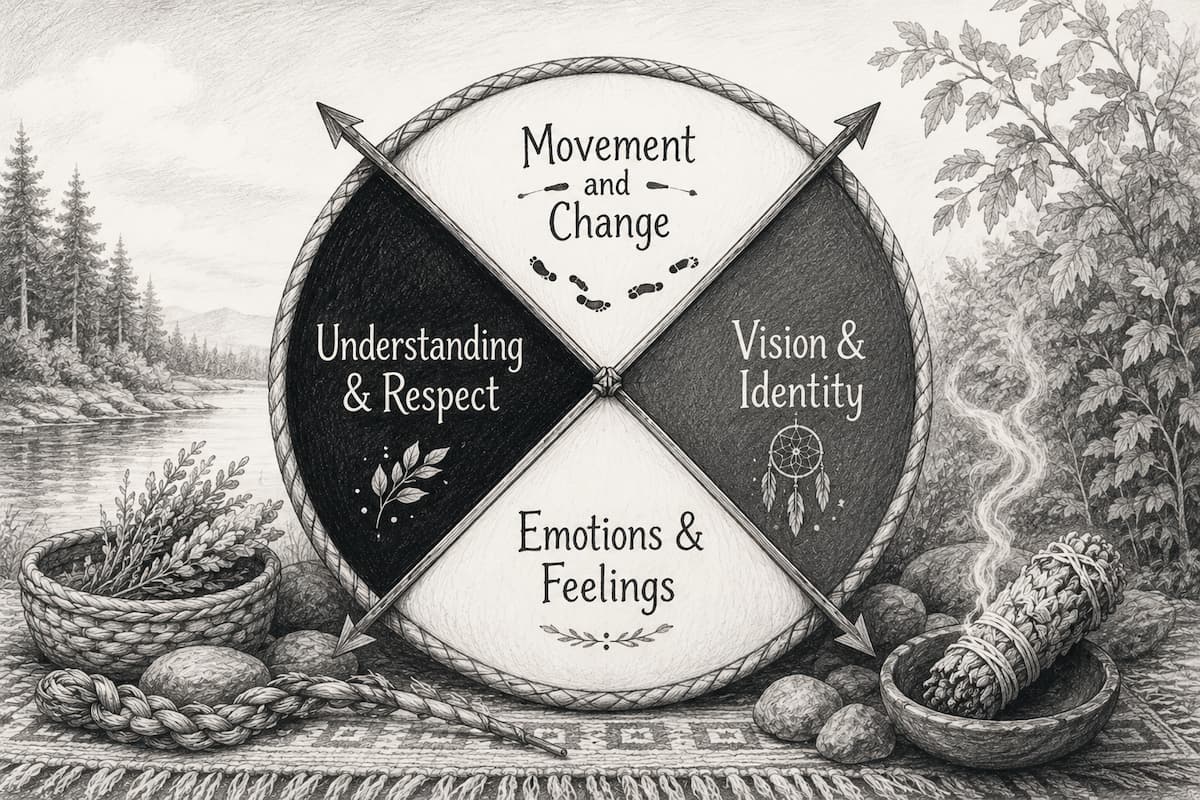
When you think about health care, you might picture clinics, prescriptions, and doctor's appointments. But healing isn't always clinical. For many First Nations and Inuit communities, true wellness comes from Elders, Healers, and cultural practices that nourish the mind, body, and spirit.
The NIHB program recognizes this, offering coverage that honors traditional healing. So what does that coverage actually include, and how do you access it?
Key Takeaways
- The NIHB Traditional Healing Benefit covers consultations with Elders or Healers, including ceremonies, plant- or mineral-based medicines, and energetic therapies.
- Eligibility requires Canadian residency, registered First Nations or recognized Inuit status, with qualifying children under 2 if a parent is NIHB-eligible.
- Healers are community-defined through respect, knowledge, and service, often recognized via referrals and a spiritual gift rather than self-appointment.
- Medical transportation benefits cover travel, accommodations, and meals to reach Healers, or to bring the Healer into the community, within regional borders.
- Open communication between patients and doctors ensures clinical oversight, preventing harmful interactions between herbal medicines and prescription drugs.
What Is the NIHB Traditional Healing Benefit?
Within the Non-Insured Health Benefits (NIHB) program, traditional healing is recognized as an important part of health care, valued for the role it plays in supporting First Nations clients. The benefit acknowledges traditional healing as complementary to clinical mental health services, including psychological therapy and psychiatry.
It positions these practices within a holistic approach that addresses your mental, emotional, spiritual, and physical wellbeing.
In certain circumstances, you can access NIHB coverage for traditional healing practices, such as consultations with Elders or Healers. By using its funding mechanisms, NIHB works to reduce the financial barriers that might otherwise keep you from receiving culturally grounded care. NIHB also provides coverage for travel expenses so you can visit Healers more easily.
This approach reflects a broader wellness vision for First Nations, one that integrates community, culture, and spirituality into the healing process. Rather than replacing clinical care, the benefit complements it, helping you draw on both systems to support your overall health and recovery.
Traditional Healing Practices NIHB May Cover
Once you've confirmed your eligibility, the next question becomes what NIHB actually supports when it comes to traditional healing. The program frames these practices as complementary to clinical mental health therapies, so they're meant to work alongside the care you receive from psychologists or counsellors.
Traditional healing isn't a replacement for clinical care—it's designed to work alongside the support of psychologists and counsellors.
You may find coverage for consultations with Elders or Healers, who offer counselling, guidance, and ceremonial support. According to the First Nations Health Authority, traditional healing can encompass ceremonies; plant-, animal-, or mineral-based medicines; energetic therapies; and hands-on physical techniques.
Land-based activities grounded in local cosmology and place-based knowledge often form the core of many approaches. You'll also see cultural activities frequently cited, including talking circles, sweats, and smudging. This reflects how NIHB supports a holistic approach to mental health care.
Because these supports are rooted in community-specific protocols, the practices available to you'll reflect local Indigenous leadership and worldviews, ensuring the care feels culturally grounded rather than imposed from outside your community.
How First Nations Define Their Own Healers
Because NIHB defers to communities rather than imposing external credentials, understanding who counts as a healer means looking at how First Nations define these roles themselves.
You'll find that healer identity rests on community-defined titles like Elder, Traditional Healer, or Medicine Person—status earned through respect, knowledge, and service, never self-appointment. To find a recognized practitioner, you're encouraged to seek referrals from trusted community members, since legitimacy comes from collective validation rather than personal claims.
Many healers carry a recognized spiritual gift, a calling sometimes revealed through visions, dreams, or spiritual experiences, with powers understood to flow from the Creator and spirit helpers.
They act as mediators between people, the spirit world, and Creation, sustaining their role through ongoing discipline like tobacco offerings and ceremonial protocols. Out of respect, healers make offerings to plants used in healing, honoring the interconnectedness of all Creation.
A healer's work addresses whole-person balance—mind, body, spirit, and emotions—through plant medicines, doctoring, counseling, and ceremonial leadership, while remaining accountable to community teachings and protocols.
How NIHB Covers Elders and Healers
Recognition is where NIHB's support for traditional healing begins. NIHB acknowledges that traditional healing matters in many Indigenous cultures, and it indicates that coverage for practices like consultations with Elders or Healers may be available to you. This isn't treated as a fringe add-on; instead, traditional healing sits within the broader mental health framework, alongside psychological therapy and psychiatric care.
You'll find Elder and Healer services most closely tied to the mental health counselling benefit category. Here, individual therapy, group therapy, and specialized therapies appear together with traditional healing as a complementary, culturally grounded support.
NIHB frames these approaches as working together with modern mental health care rather than competing with it. The program's goal is to reduce the financial barriers that might otherwise keep you from necessary care. For those who need to reach services beyond their community, NIHB also offers medical transportation assistance to access health care elsewhere.
When approved, traditional healing consultations become part of an integrated set of supports designed to meet your needs respectfully.
Getting to Your Healer With NIHB Transport
When the traditional healer you need isn't available in your community, NIHB's medical transportation benefit can help close that distance. Available since the 1990s, this funding supports your travel to a healer when needed services aren't accessible locally. This benefit is provided through Health Canada's Non-Insured Health Benefits program.
Within your region or territory, NIHB can cover your trip to the healer or, when it's more economical, bring the healer to your community instead. The benefit can include travel itself, local transportation, accommodations, and meals tied to your approved trip, so you're not carrying those costs alone.
Whether you travel to the healer or they come to you, NIHB helps cover the journey.
There are limits worth understanding. NIHB requires the most economical and appropriate means of transportation consistent with your medical condition.
If you choose a healer outside your region or territory, NIHB only reimburses travel up to the regional or territorial border, leaving the remaining distance to you. Knowing these boundaries early helps you plan a journey that NIHB will actually support.
Blending Traditional Healing With Your Doctor's Care
Reaching your healer is one part of the picture; weaving that care together with your doctor's treatment is another. Blending traditional and biomedical care addresses your physical, emotional, mental, and spiritual health, and it can ease pain, fatigue, and distress when you're managing chronic illness.
The key is open conversation. Many patients hide their use of traditional healers, fearing anger or disapproval from a Western provider, but staying silent can delay diagnosis or treatment. When you talk early and honestly about the remedies and rituals you rely on, your doctor can coordinate a plan that respects your values and watches for interactions.
This collaboration reflects a reality often overlooked, since the WHO reports that over 80% of people rely on traditional medicine as primary or supplementary care.
That matters because herbal medicines taken alongside prescription drugs can sometimes interact or duplicate effects, so clinical oversight keeps you safe. A culturally sensitive doctor will ask about your practices and preferences, then work with you to choose the combination of therapies that fits your goals.
How Cultural Safety Is Reshaping NIHB Coverage
Because health care has rarely felt safe or welcoming for many First Nations, Inuit, and Métis people, cultural safety has become a guiding principle for rethinking how the Non-Insured Health Benefits (NIHB) program operates.
At its core, cultural safety means addressing the power imbalances and racism that shape your experience within health systems, while cultural humility asks providers and administrators to keep reflecting on their own biases. This mirrors the broader Anti-Racism, Cultural Safety & Humility Action Plan initiated in December 2021 to create systemic improvements in healthcare.
National NIHB dialogue sessions and a House of Commons study have both named cultural safety as essential for correcting systemic racism and colonial structures embedded in federal benefits.
For you, this shift translates into concrete changes.
Reforms aim to simplify prior authorization, clarify benefit criteria, and reduce the administrative burden that often feels like an unsafe barrier.
Proposed measures include mandatory anti-racism and trauma-informed training for call-centre staff and providers, plus Indigenous-led complaint pathways that take your concerns seriously and rebuild trust.
This article is intended for educational and informational purposes only and should not be considered medical, legal, or financial advice. NIHB policies, provider eligibility, and coverage procedures may change over time and can vary depending on individual circumstances. For the most current information, contact Indigenous Services Canada, Express Scripts Canada, or a qualified healthcare provider familiar with NIHB mental health counselling services. If you are experiencing a mental health crisis or require urgent support, contact emergency services, 9-8-8, or Hope for Wellness immediately.