Elder Support and Cultural Guidance

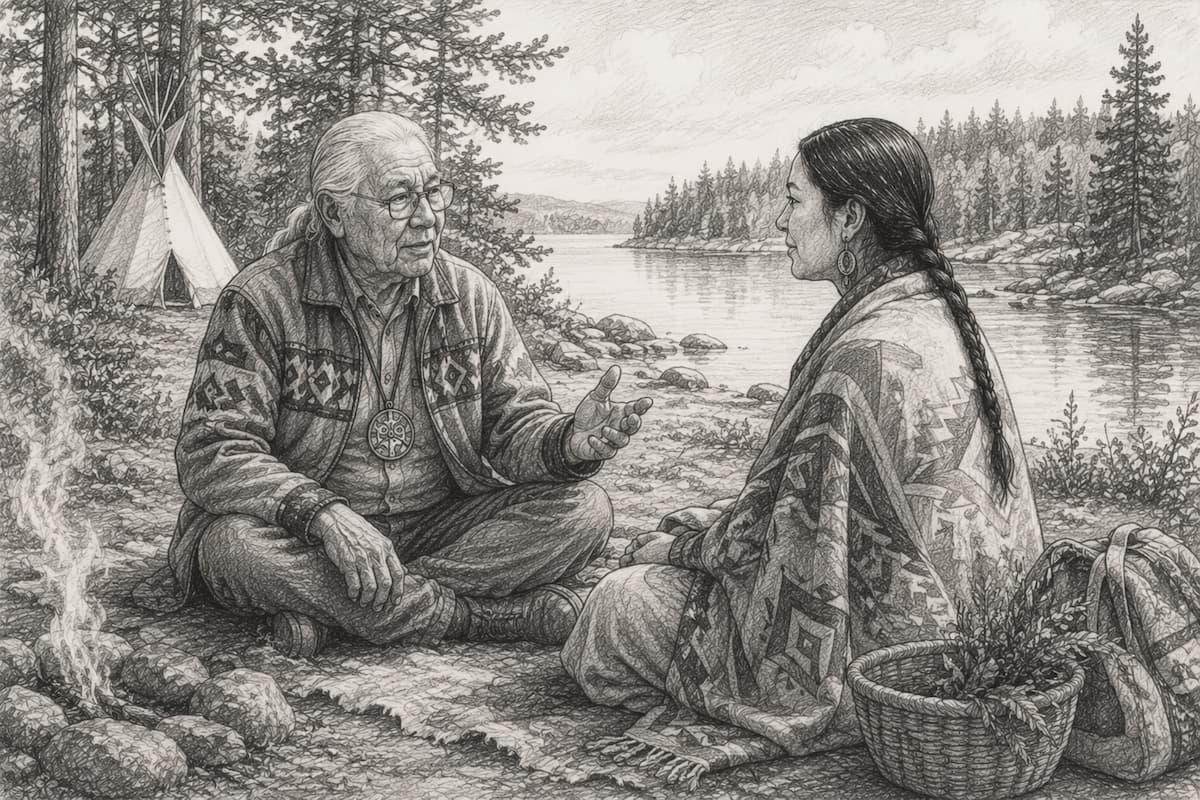
As you walk alongside the elders entering their golden years, you'll see how essential their role remains in Indigenous communities across Canada. They carry knowledge, language, and traditions that bind generations together.
But supporting them takes more than respect—it requires real resources, from health coverage to mental wellness programs.
The Non-Insured Health Benefits program offers some of this support, though what it covers, and what it doesn't, may surprise you.
Key Takeaways
- NIHB covers medically necessary health benefits for Indigenous Elders, including prescriptions, dental, vision, and mental health counselling.
- Traditional healing consultations with Elders or healers may be available through NIHB, subject to prior approval.
- NIHB combines psychotherapy with cultural supports to promote wholistic wellness for eligible First Nations and Inuit.
- Land-based care, cultural retreats, and Elder-led on-the-land programs fall outside NIHB funding eligibility.
- Cultural guidance through knowledge keepers typically relies on band programs or external grants rather than NIHB funding.
What Does NIHB Cover for Indigenous Elders?
The Non-Insured Health Benefits (NIHB) program offers Indigenous Elders a thorough safety net that covers many of the health-related costs other plans often leave behind.
You'll find coverage for medically necessary prescription drugs on the NIHB Drug Benefit List, including many chronic disease medications, plus select over-the-counter products like analgesics and smoking-cessation aids.
Dental care extends to exams, X-rays, preventive cleanings, fillings, extractions, and dentures, which matter for proper chewing and nutrition.
Vision benefits help cover eye exams, eyeglasses, repairs, and, when pre-approved, contact lenses or specialized lenses.
You can also access medical supplies and equipment, such as wound-care products, diabetic testing materials, wheelchairs, walkers, hospital beds, home oxygen, and hearing aids with related audiology services. NIHB also provides assistance with medical transportation to health services not available within the community.
Keep in mind that NIHB complements provincial, territorial, or employer plans, paying eligible costs others don't, and certain higher-cost items require prior approval based on clear clinical criteria.
No premiums apply.
How Do Elders Apply for NIHB Benefits?
How do Elders actually apply for NIHB benefits? In most cases, you don't fill out a standalone application form at all. If you're already registered as a Status First Nation or recognized Inuit, you generally become NIHB-eligible automatically.
Instead of applying directly, you access benefits through enrolled providers. When you visit a pharmacy, dentist, or other NIHB-recognized provider, you present your status card or Inuit identification, and the provider confirms your eligibility with the NIHB system using identifiers like your client number and date of birth. To qualify, you must also be a resident of Canada.
No standalone form needed—just present your status card, and your provider confirms eligibility directly with NIHB.
From there, the provider handles the administrative claims work, billing NIHB directly through platforms such as the Express Scripts portal. For many routine items and services, no prior approval is needed, so you get immediate access once your eligibility is verified.
Certain supplies, equipment, or specialized services do require prior approval, in which case your clinician completes the necessary forms and submits clinical justification to NIHB.
Mental Health and Traditional Healing Under NIHB
When you think about wellness, mental health is just as important as physical health, and NIHB recognizes this by funding counselling for eligible registered First Nations and recognized Inuit across Canada.
This benefit complements provincial and community-based services, filling gaps in access. You can receive assessments along with individual, family, and group counselling, delivered in person, by telephone, or by secure video where it's available. In 2020, the new Express Scripts Canada contract expanded NIHB to include Mental Health benefits.
Keep in mind that direct billing applies only to licensed professionals like psychologists, social workers, and counsellors enrolled as providers.
NIHB also honours traditional healing as part of wholistic wellness. You may access consultations with Elders or traditional healers, ceremonies, and related cultural supports as part of your mental health plan, subject to approval.
These cultural supports work alongside clinical counselling, so you can combine psychotherapy with ceremony, teachings, and traditional medicines. Together, these approaches help close longstanding gaps between reported need and actual care.
Land-Based Care That NIHB Doesn't Fund
Many of the wellness practices that matter most to Elders fall outside what NIHB will pay for, and land-based care sits squarely in that gap.
NIHB funds medically necessary goods and services in defined categories—pharmacy, dental, vision, medical supplies, mental health counselling, and medical transportation—so Elder-led, on-the-land programs simply don't qualify.
If you're organizing a trapline camp, a fishing or hunting trip, or a youth–Elder mentorship program that teaches harvesting and responsibilities to the land, you won't find these listed as eligible benefits.
The same goes for cultural retreats, berry picking, medicinal plant gathering, and language revitalization on the land.
Because eligibility rules focus on regulated health professionals or approved providers, knowledge keepers guiding these practices aren't recognized as delivering insured services. To access any covered benefits at all, an Elder must be a registered Inuvialuit or registered through another Land Claim organization.
That means honoraria, travel, equipment, and camp infrastructure usually depend on band programs, tribal councils, friendship centres, provincial grants, or philanthropy rather than stable NIHB funding.
This article is intended for educational and informational purposes only and should not be considered medical, legal, or financial advice. NIHB policies, provider eligibility, and coverage procedures may change over time and can vary depending on individual circumstances. For the most current information, contact Indigenous Services Canada, Express Scripts Canada, or a qualified healthcare provider familiar with NIHB mental health counselling services. If you are experiencing a mental health crisis or require urgent support, contact emergency services, 9-8-8, or Hope for Wellness immediately.