Phone Counselling Through NIHB

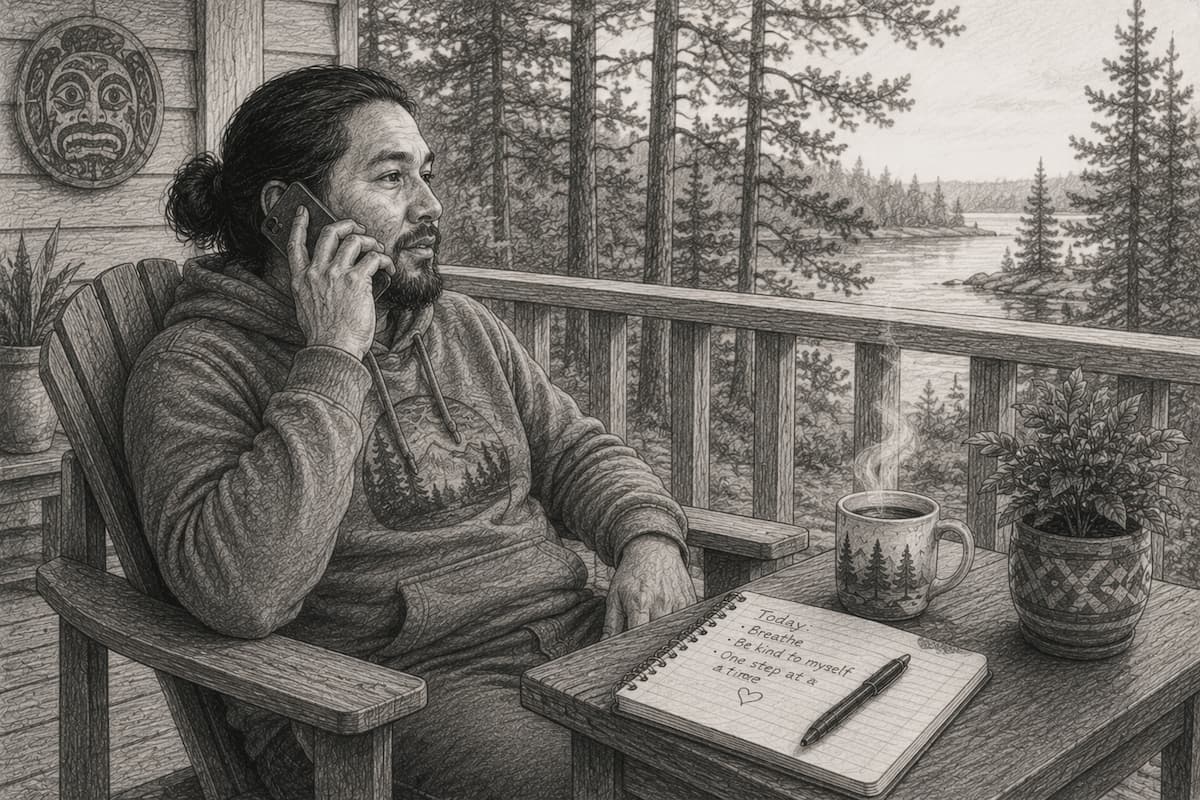
If you're a registered First Nations or recognized Inuit individual, you have access to phone counselling through the NIHB program. It's a practical way to get mental health support without leaving home. You can address concerns like anxiety, low mood, or trauma with a qualified counsellor.
But before you book your first session, there are a few important details you'll want to understand first.
Key Takeaways
- NIHB covers up to 22 hours of counselling per eligible client each calendar year, shared across phone, video, and in-person sessions.
- Eligibility requires Canadian residency and registration as a First Nations person or recognition as an Inuk enrolled in NIHB.
- The first 2 hours require no prior approval, but hours 3 through 22 need NIHB approval.
- Confirm eligibility via NIHB client information lines or the Express Scripts portal, then find an NIHB-registered provider.
- Phone sessions closely mirror in-person therapy, including screening, confidentiality discussions, and approaches like cognitive-behavioural and trauma-informed therapy.
Who Can Get Phone Counselling Through NIHB?
Who qualifies for phone counselling through the Non-Insured Health Benefits (NIHB) program? To access these services, you first need to meet the program's overall eligibility requirements. That means you must be a Canadian resident and either registered as a First Nations person under the Indian Act or recognized as an Inuk by an Inuit land claims organization.
If you qualify, you can access NIHB-funded phone counselling no matter which province or territory you call home.
This coverage extends to a wide range of clients. Registered First Nations individuals, recognized Inuit enrolled in NIHB, and children and youth from eligible families all qualify.
Whether you live on-reserve, off-reserve, or in an urban centre, you remain entitled to these benefits as long as you meet the criteria.
Certain dependent or in-care children linked to an eligible parent or guardian may also qualify. In most cases, a valid NIHB client identification number is required to access these services. Your eligibility must be active when you receive the service.
How Many Phone Counselling Hours Does NIHB Cover?
Once you've confirmed your eligibility, the next question is usually how much support you can actually receive. NIHB covers up to 22 hours of counselling per eligible client each calendar year, running from January 1 to December 31.
This isn't a rolling year, so your hours reset every January.
Importantly, phone counselling doesn't have its own separate pool. Telephone, video, and in-person sessions all draw from the same 22-hour total, so you can mix formats however suits you best. With direct billing available through enrolled providers, both your virtual and in-person sessions can be covered seamlessly.
The first 2 hours come without any prior approval, whether you choose phone, video, or face-to-face. Hours 3 through 22 require prior approval from NIHB, though your provider usually handles that process directly so you're not left managing paperwork.
If you reach the 22-hour limit and still need support, NIHB considers additional hours on a case-by-case basis, provided clinical documentation justifies continued treatment. Phone sessions can count toward those extended hours too.
What Happens During an NIHB Phone Session?
If you've never tried counselling over the phone, you might wonder whether it feels clinical, awkward, or somehow less genuine than sitting across from someone in an office. In practice, a phone session mirrors in-person therapy closely.
After confirming your location and an emergency contact, your provider reviews confidentiality limits, then explores your main concerns, goals, and relevant history, including symptoms, medications, and past treatment. Standardized screening questions may assess your mood, anxiety, trauma, or substance use, while broader questions gauge how difficulties affect your sleep, work, and relationships.
From there, your counsellor draws on approaches like cognitive-behavioural, supportive, or trauma-informed therapy, helping you connect thoughts, feelings, and behaviours and learn coping or grounding strategies.
You'll have space for storytelling and emotional expression, alongside psychoeducation about your condition and available cultural or community resources.
Often, you'll leave with homework, such as journaling, breathing exercises, or mood tracking, reinforcing what you've practised together.
How to Book Phone Counselling With an NIHB Provider
Now that you know what a session involves, the practical question becomes how to actually arrange one. Start by confirming your eligibility, especially if your status documentation is uncertain, by contacting the NIHB client information lines listed by ISC or the Express Scripts portal.
Next, find an NIHB-registered provider—a psychologist, social worker, or counsellor with a provider number under the program. Many clinics advertise NIHB-covered phone counselling, and some highlight Indigenous-focused or culturally informed therapists who may suit your needs.
Keep in mind that all NIHB providers must be registered with a Provincial/Territorial regulatory body and practice according to provincial/territorial legislation, with clinical designation required where applicable.
When you're ready to book, expect the clinic to request your full legal name, date of birth, and NIHB client identification, such as your status number, so they can verify coverage and bill NIHB directly.
You'll also provide contact details for confirmation and intake forms. Some clinics ask about your band or community affiliation and your presenting concerns, helping them match you with the right therapist.
This article is intended for educational and informational purposes only and should not be considered medical, legal, or financial advice. NIHB policies, provider eligibility, and coverage procedures may change over time and can vary depending on individual circumstances. For the most current information, contact Indigenous Services Canada, Express Scripts Canada, or a qualified healthcare provider familiar with NIHB mental health counselling services. If you are experiencing a mental health crisis or require urgent support, contact emergency services, 9-8-8, or Hope for Wellness immediately.