Virtual Mental Health Care for First Nations Communities

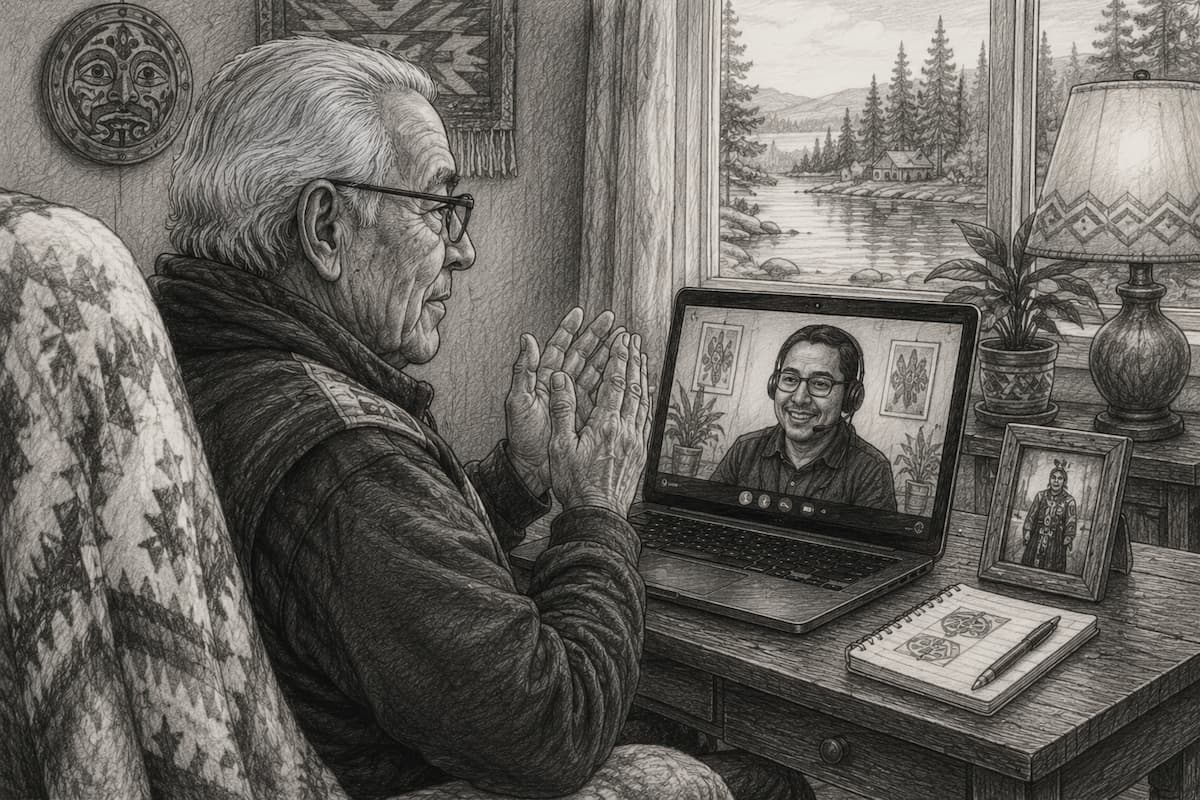
If you live in a remote First Nations community, accessing mental health support often means traveling hours, or going without. Virtual care changes that equation. Through a phone or computer, you can connect with clinicians who understand your culture, your history, and your worldview.
But here's what most people overlook: simply having the technology isn't enough. What actually makes virtual care work for your community is something far more specific.
Key Takeaways
- Virtual mental health care connects First Nations communities with clinicians, overcoming geographical barriers while reducing costs and travel time.
- Telepsychiatry and internet-delivered CBT provide valid assessments and significant reductions in depression and anxiety, comparable to in-person care.
- Cultural safety requires services co-designed with First Nations governance, prioritizing culture, ceremony, and community relationships for wellness.
- Clinicians must complete cultural competence training and actively address racism and colonial practices within virtual workflows.
- Limited broadband, high data costs, and aging infrastructure are addressed through Wi-Fi hubs, telehealth rooms, and Indigenous-language apps.
Why First Nations Communities Need Virtual Mental Health Care
Although mental health challenges affect communities across Canada, First Nations people carry a disproportionate share of this burden. Nearly half of First Nations people living off reserve reported needing mental health care in the past year, and many of those needs go unmet.
This distress doesn't appear in isolation—it's tied to colonization, residential schools, and ongoing intergenerational trauma, which raise the risk of mood and anxiety disorders.
When you add chronic health conditions, which most First Nations individuals report, the strain on mental well-being deepens. In fact, only 37.8% of First Nations adults report being in excellent or very good health, underscoring how widespread these health struggles are.
Geography compounds the problem. If you live in a remote or rural community, you might rely on fly-in clinicians who visit sporadically, leaving long gaps in care.
Where you live shouldn't determine whether you can access care, yet remote communities face long gaps between visiting clinicians.
The crisis is most visible in suicide rates, which run about three times higher than among non-Indigenous people. Virtual mental health care helps you connect with clinicians without leaving home, closing distance, cost, and timing gaps.
What Makes Virtual Mental Health Care Culturally Safe
When you connect with a clinician through a screen, cultural safety isn't something the provider grants you—it's an outcome you experience, one rooted in respect, dignity, and the correction of power imbalances that have long shaped Indigenous people's encounters with health systems.
That outcome doesn't happen by accident. Truly safe virtual services are co-designed with First Nations governance structures, Elders, and community organizations, so the platforms, policies, and evaluation frameworks reflect your local protocols and worldviews rather than imposing outside ones.
Before any session begins, clinicians should complete cultural competence training to genuinely grasp the unique worldview and values of Indigenous tribes.
Your care plan should treat culture, ceremony, land connection, language, and community relationships as central to your wellness, not optional extras tacked on at the end.
Self-determination shapes the decisions that affect you, from the modalities used to how progress gets measured.
Just as importantly, the organizations delivering care commit to identifying, monitoring, and addressing racism, discrimination, and colonial practices embedded in every virtual workflow you encounter.
Virtual Mental Health Services That Actually Work
Cultural safety sets the foundation, but you also need proof that virtual care delivers real clinical results—and the evidence here is encouraging.
When clinics link to tribal and rural communities, you'll see fewer emergency transports and inpatient admissions, because earlier intervention and ongoing medication management happen at a distance.
For older adults in long-term care, including First Nations residents, virtual specialist assessments reduce off-site transfers and earn strong clinician ratings.
Internet-delivered CBT works too. It consistently produces moderate to large reductions in depression and anxiety, with benefits that hold at follow-up.
A program tailored for Indigenous public safety personnel shows significant drops in depression, PTSD, anger, and panic.
Adapted anxiety-focused CBT for First Nations children in rural Ontario demonstrates strong feasibility and meaningful symptom reduction. These results reflect the broader finding that Indigenous-designed interventions consistently improve mental health outcomes by emphasizing culturally safe care.
Indigenous-Led Virtual Programs Reaching Remote Communities
The strongest virtual mental health programs aren't simply delivered to First Nations communities—they're designed, governed, and run by Indigenous people themselves.
When you reach out to the Hope for Wellness Helpline, you'll find free, 24/7 counselling by phone and online chat for First Nations, Inuit and Métis people, promoted through Indigenous governments like the Métis Nation of Alberta.
In British Columbia, the First Nations Health Authority coordinates crisis lines, virtual clinical counselling, cultural supports, and residential school crisis services delivered by Indigenous and allied providers. These services align with traditional First Nations holistic health conceptualizations, connecting individuals with culturally-safe resources for intervention.
If you're a youth, the KHP app connects you to online wellness tools and a dedicated support line, extending care right into your home.
Shkaabe Makwa at CAMH partners with Indigenous organizations to offer webinars and virtual groups, so even distant communities can participate.
An environmental scan found 117 such youth programs nationwide, many using websites, texting, and video to reach remote regions.
Barriers to Virtual Care and How Communities Beat Them
Even the most thoughtfully designed Indigenous-led programs run into real-world obstacles once they reach the communities they're meant to serve. Limited broadband and cellular coverage restrict video visits, while high costs for data, devices, and electricity reduce sustained use.
Older infrastructure causes dropped calls and poor video quality, undermining the rapport that therapy depends on.
These challenges are especially pressing given that telehealth and virtual care models remain under-utilized despite proving effective at reducing waitlists and travel needs.
You'll find communities responding with band-funded Wi-Fi hubs, dedicated telehealth rooms, and negotiated low-cost data plans. Digital skills present another hurdle, since many Elders report low comfort with apps and portals, and English-only interfaces discourage youth and adults alike.
Short training sessions led by peer mentors, co-designed apps using Indigenous languages and audio-visual content, and preloaded tablets with support hotlines all reduce dropouts. Trust remains fragile too, shaped by racism and colonial history, so cultural safety frameworks, anti-racism education, and Indigenous-governed standards are being embedded to rebuild confidence and protect patient privacy.
This article is intended for educational and informational purposes only and should not be considered medical, legal, or financial advice. NIHB policies, provider eligibility, and coverage procedures may change over time and can vary depending on individual circumstances. For the most current information, contact Indigenous Services Canada, Express Scripts Canada, or a qualified healthcare provider familiar with NIHB mental health counselling services. If you are experiencing a mental health crisis or require urgent support, contact emergency services, 9-8-8, or Hope for Wellness immediately.