Direct Billing for Counselling Through NIHB
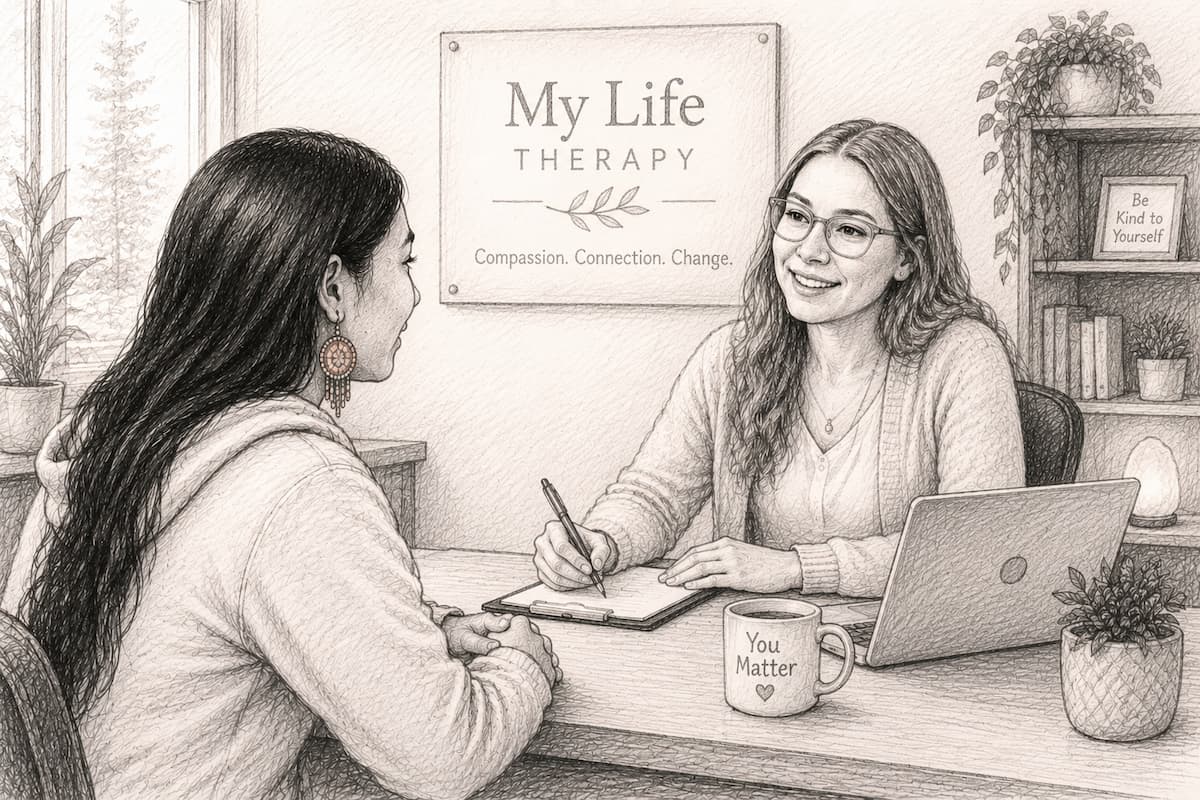
If you're a First Nations or Inuit client, you might already qualify for up to 22 hours of mental health counselling—without paying a cent upfront. That's the promise of direct billing through the Non-Insured Health Benefits program.
But accessing this support isn't always as simple as booking an appointment. There are a few key requirements you'll need to meet first, and knowing them upfront makes all the difference.
Key Takeaways
- NIHB direct billing lets enrolled providers submit claims directly to NIHB, eliminating upfront costs for eligible clients.
- Eligibility requires registered First Nations or Inuit status and a valid NIHB client identification number or status card.
- Eligible clients can receive up to 22 hours of counselling per calendar year without needing a physician referral.
- Choose providers registered with NIHB, including psychologists, social workers, psychotherapists, and psychiatric nurses, confirmed through regional offices.
- Additional hours beyond 22 may be approved through an exception request submitted with diagnosis, treatment plan, and session details.
NIHB Direct Billing for Counselling
NIHB direct billing for counselling is a payment arrangement that lets enrolled mental health providers submit claims for eligible sessions directly to the federal Non-Insured Health Benefits (NIHB) program, instead of asking you to pay the full cost at each visit.
Under NIHB, counselling is covered as a professional service when you can't access it through another public or private health plan, and direct billing is the main way enrolled providers get paid.
The program runs these claims through a national processing contractor, Express Scripts Canada, which receives and adjudicates them on the program's behalf. Eligible clients can receive coverage for up to 22 hours of counselling per calendar year.
This setup is designed to remove financial barriers, so eligible First Nations and Inuit clients can get counselling without upfront costs for approved services.
That's why many clinics advertising NIHB-funded care highlight direct billing as a key feature, noting that eligible sessions are billed to NIHB at 100% coverage rather than out of your pocket.
Who Qualifies for NIHB-Covered Counselling?
Before any provider can submit those direct-billed claims on your behalf, you need to meet the program's eligibility requirements.
You qualify if you're a registered First Nations person under the Indian Act or a recognized Inuit individual through an Inuit Land Claim organization. You'll also need a valid NIHB client identification number or status card, eligibility under the NIHB mental health benefit specifically, and residence in Canada. Importantly, no physician referral is needed, as direct contact with the clinic is allowed.
Coverage isn't limited to adults. Children, youth, and entire families can access counselling, as long as each person receiving services meets these criteria.
Even children under two years of age qualify when their parent is an eligible NIHB client, and family-focused work—like parenting support or family conflict sessions—can be billed when at least one participant is eligible.
Keep in mind that NIHB acts as a payer of last resort, so it coordinates with any provincial, employer, or private coverage you already have.
How to Find a Counsellor Who Bills NIHB Directly
Once you've confirmed your eligibility, the next step is finding a counsellor who's both qualified under the program and able to bill NIHB directly, so you avoid paying out of pocket for covered sessions.
Start by verifying that the provider is registered in good standing and enrolled with NIHB, since only eligible types—like registered psychologists, social workers, psychotherapists, and psychiatric nurses—can submit claims through Express Scripts Canada.
You can contact an NIHB regional office to confirm whether a specific provider or clinic is enrolled and able to direct bill.
Online tools help too.
Psychology Today's Canadian directory lets you filter for clinicians who tag "NIHB" or "Non-Insured Health Benefits" coverage, though you'll want to check each profile, since some offer direct billing while others only provide receipts for reimbursement.
Many clinics, such as Wholetherapy and Mend Psychology, advertise direct billing and outline onboarding steps, including eligibility verification and clinician matching. Good Medicine Wellness, for instance, offers direct billing for NIHB so eligible First Nations and Inuit clients can receive therapy without upfront payments.
Need More Than 22 NIHB Counselling Sessions a Year?
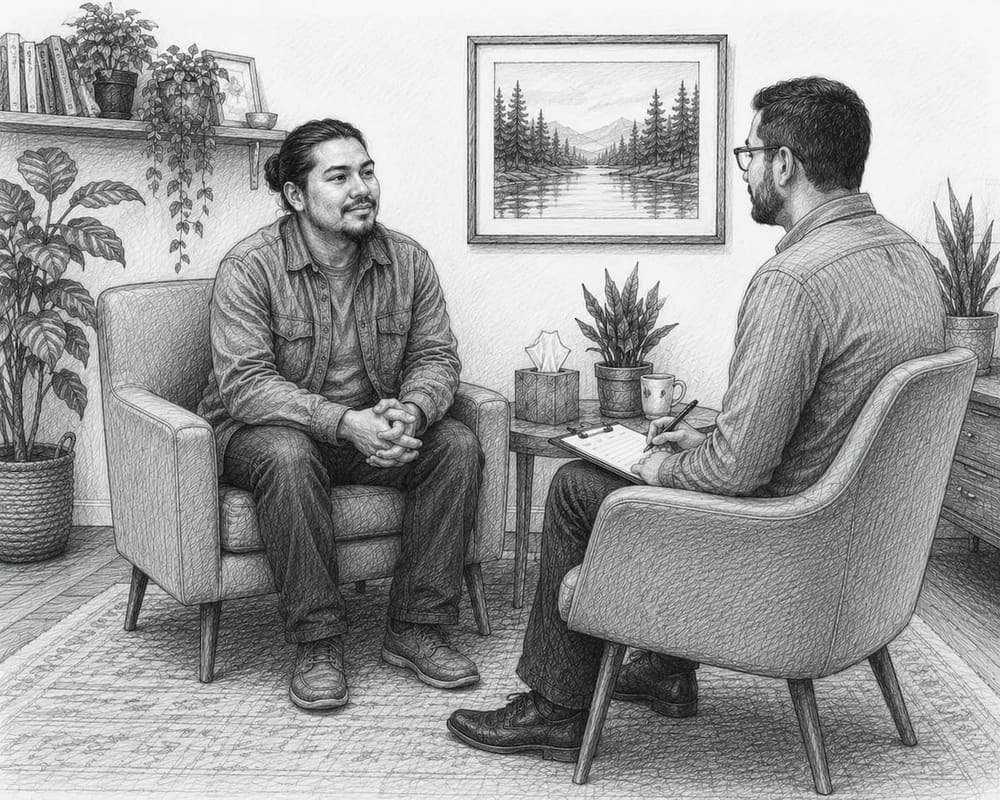
After you've found an enrolled counsellor and started your sessions, you might reach a point where 22 hours just isn't enough to address what you're working through.
The good news is that NIHB includes an exception process for situations like yours. When standard coverage doesn't meet your mental health needs, additional hours within the same calendar year may be approved on a case-by-case basis. These 22 hours of mental health counselling are provided per calendar year for each eligible client.
Here's how it works: your NIHB-enrolled provider submits an additional prior approval or exception request through Express Scripts Canada. That request typically includes a diagnosis, a treatment plan, and the number of extra sessions needed.
NIHB reviews the documentation against its program criteria, often issuing a decision within a few business days.
Keep in mind that NIHB approval isn't guaranteed—it depends on your circumstances and the supporting details provided.
Still, if your needs are clearly documented, continued counselling beyond 22 hours can proceed under NIHB.
This article is intended for educational and informational purposes only and should not be considered medical, legal, or financial advice. NIHB policies, provider eligibility, and coverage procedures may change over time and can vary depending on individual circumstances. For the most current information, contact Indigenous Services Canada, Express Scripts Canada, or a qualified healthcare provider familiar with NIHB mental health counselling services. If you are experiencing a mental health crisis or require urgent support, contact emergency services, 9-8-8, or Hope for Wellness immediately.