Accessing Mental Health Services in Northern Ontario

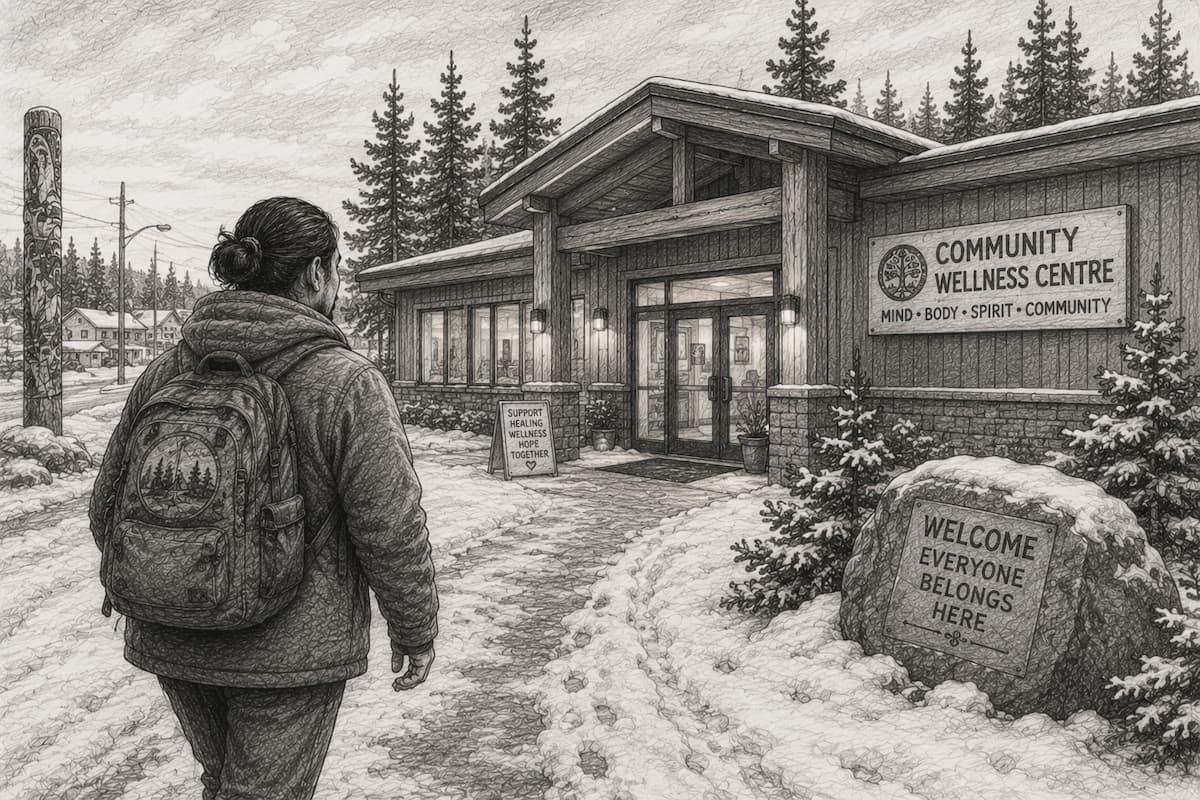
Roughly one in five Canadians faces a mental health challenge each year, yet in Northern Ontario, getting help isn't always straightforward. Long distances, limited local providers, and harsh winters can stand between you and the care you need. But the region's support network has grown in ways you might not expect.
From virtual therapy to culturally grounded First Nations programs, your options are wider than they first appear. Here's what you should know.
Key Takeaways
- Health Sciences North, CMHA North Bay, and ConnexOntario offer inpatient, crisis, case management, and 24/7 navigation support across the region.
- Virtual care clinics enable therapy, psychiatric evaluations, and medication management from home, reducing travel costs and wait times.
- NAN Hope serves 49 First Nations communities with culturally appropriate support, a 24/7 helpline, and connections to Elders and land-based programs.
- Integrating clinicians into primary care and using stepped-care models shortens wait times below the provincial average.
- Community agencies provide navigation services and online resources to help rural residents access stable, locally relevant support.
What Mental Health Services Northern Ontario Offers
When you're searching for mental health support across Northern Ontario, you'll find a network of services that spans hospitals, community agencies, and Indigenous-led organizations, each designed to meet people where they are.
At Health Sciences North in Sudbury, you can access both inpatient and outpatient care, plus crisis-oriented services and emergency assessments for acute episodes. Partner sites in communities like Espanola extend that reach closer to home.
If you need community-based support, CMHA North Bay and District offers intensive case management, supportive housing, peer support, and navigation services to help you maintain stability. ConnexOntario provides free, confidential assistance 24/7 to help you navigate these mental health services.
For Indigenous individuals and families, culturally grounded programs combine traditional healing with clinical care, and children and youth can access counselling without referrals or fees.
When addiction's part of the picture, you'll find withdrawal management and concurrent-disorder programs coordinated between hospitals and community partners, including a direct link to the provincial Addiction, Mental Health, and Problem Gambling Helpline.
How Virtual Care Brings Mental Health Help to You
Geography shouldn't determine whether you get the mental health support you need, yet across Northern Ontario, long travel distances and a shortage of local providers have made care harder to reach for people in rural and remote communities.
Virtual care changes that. Through phone and video, you can connect to therapy, psychiatric evaluations, and medication management without leaving your home community, removing weather and transportation barriers along the way. While urban residents already turn to online resources at higher rates, expanding these tools can help close the gap for rural communities.
The North East and Northwest Region Virtual Care Clinics offer remote consultations, treatment, and referrals, while the Northwestern Health Unit region links you to free 24/7 health advice by phone and online chat.
If you're a child or youth, Tele-Mental Health services bring videoconferenced consultations to underserviced areas, and Indigenous-owned clinics like Noojimo Health provide culturally appropriate support online.
With nearly 38% of patients open to virtual contact first, these options meet you where you already are.
Culturally Grounded First Nations Support Through NAN Hope
While mainstream mental health services don't always reflect the values, histories, or lived realities of First Nations communities, NAN Hope offers a different path.
As an Indigenous-led alternative serving 49 First Nations communities across the Nishnawbe Aski region, it provides community-driven, culturally appropriate mental health and addictions support. The program takes its direction from local priorities, reflecting the lived realities of the communities it serves.
You can reach NAN Hope's free, confidential helpline at 1-844-NAN-HOPE (1-844-626-4673) for 24/7 telephone crisis support.
If a phone call doesn't suit your comfort or situation, you can also connect through text, live chat, or Facebook Messenger during set hours.
Because it's culturally safe, NAN Hope reduces the barriers that often come with stigma or mistrust of non-Indigenous systems. It acts as a central access point that streamlines navigation to community-based and regional support services.
Its framing aligns with First Nations values and community-defined concepts of healing, linking you to Elders, land-based programs, and traditional teachings where partnerships exist.
How to Beat Wait Times, Travel, and Cost Barriers
Many of the barriers that keep you from mental health care aren't about willingness to seek help—they're about logistics. Wait times, long-distance travel, and the hidden costs of getting care can all stand in your way, but several strategies can help you overcome them.
Tele-mental health and virtual psychiatry let you connect with specialists by secure videoconference, so you can attend appointments from your home community instead of traveling to distant hospitals. That cuts indirect costs like accommodation, meals, and lost work time.
When mental health clinicians work directly inside primary care clinics, you'll often wait far less time between referral and your first appointment. This is especially important because rural, remote, and northern communities often lack essential treatment programs.
Stepped-care models also match service intensity to your needs, offering brief interventions, group programs, or digital CBT so you're served faster.
With provincial waits averaging 67 days for counselling, these approaches give you realistic, practical ways to access support sooner.
This article is intended for educational and informational purposes only and should not be considered medical, legal, or financial advice. NIHB policies, provider eligibility, and coverage procedures may change over time and can vary depending on individual circumstances. For the most current information, contact Indigenous Services Canada, Express Scripts Canada, or a qualified healthcare provider familiar with NIHB mental health counselling services. If you are experiencing a mental health crisis or require urgent support, contact emergency services, 9-8-8, or Hope for Wellness immediately.