NIHB Counselling for Sleep Problems

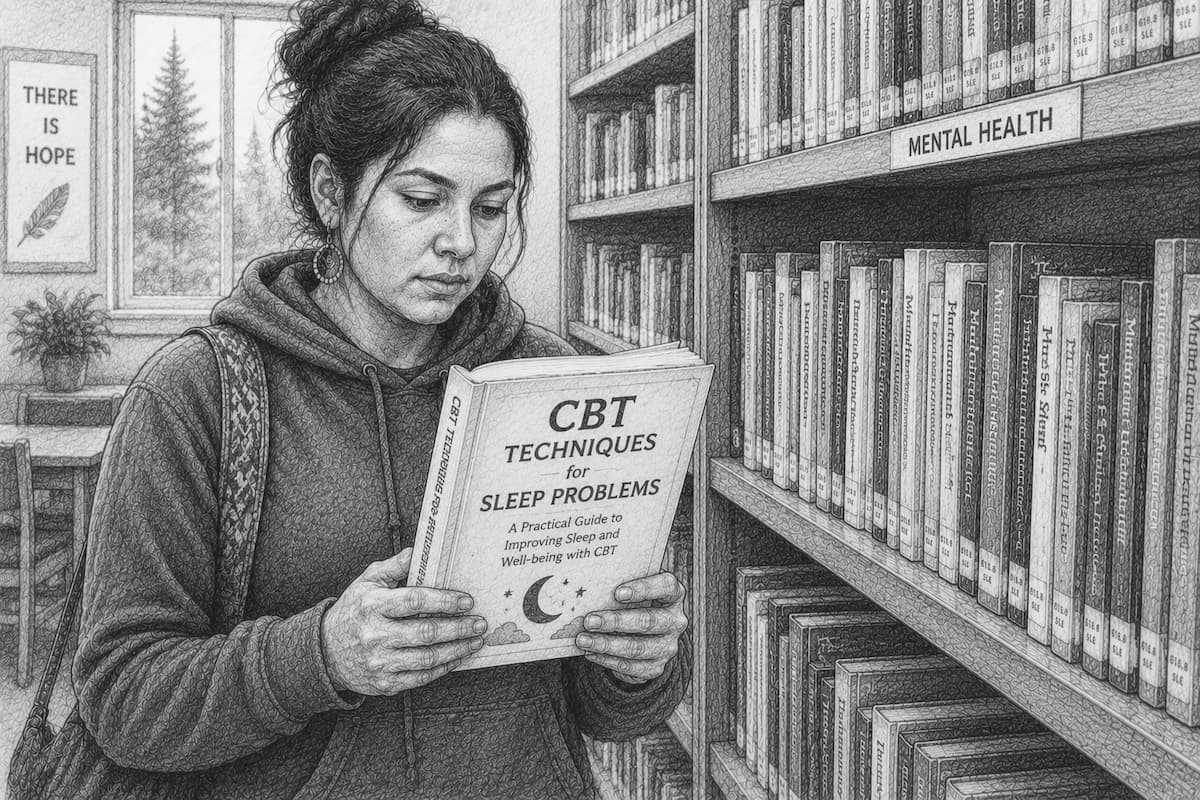
If you're struggling with sleepless nights, you're not alone—and you don't have to manage it on your own. The Non-Insured Health Benefits program offers counselling for sleep problems, including chronic insomnia, to eligible First Nations and Inuit clients.
With up to 22 hours of professional support each year, help is closer than you might think. But who qualifies, and what does that support actually look like?
Key Takeaways
NIHB covers up to 22 hours of professional mental health counselling per calendar year, including for insomnia and persistent sleep difficulties.
- Eligibility requires a valid NIHB client identification number for registered First Nations or recognized Inuit clients residing in Canada.
- CBT-I is the first-line treatment for chronic insomnia, helping 70–80% of participants improve within 4–8 sessions.
- Assessment includes a detailed sleep history, insomnia type, lifestyle factors, and screening for anxiety, trauma, or chronic pain.
- Remote clients can access secure video counselling funded like in-person visits, with providers typically billing NIHB directly.
Does NIHB Cover Counselling for Sleep Problems?
If you're struggling with poor sleep and wondering whether help is within reach, the answer is encouraging: NIHB does cover professional mental health counselling for eligible First Nations and Inuit clients, and sleep problems can fall within that scope.
Because the program funds general mental health counselling rather than condition-specific benefits, insomnia and persistent sleep difficulties are typically accommodated when a mental health or wellness impact is identified. Eligible clients can receive up to 22 hours of counselling per calendar year.
That means you can work with an approved provider on the worries, habits, and schedules disrupting your rest. The benefit is designed to complement other community mental wellness services, and it applies when counselling isn't available through another public or private plan.
Who Qualifies for NIHB Sleep Counselling
Wondering whether you're eligible for NIHB-funded sleep counselling? Coverage is limited to registered First Nations clients (Status Indians under the Indian Act) and Inuit recognized by an Inuit land claim organization.
Curious about NIHB sleep counselling eligibility? Coverage extends to registered First Nations and land claim-recognized Inuit clients.
You'll need to be a resident of Canada, appear in NIHB records as an eligible beneficiary, and have a valid NIHB client identification number before any claims can be billed.
Children under two qualify when at least one parent or legal guardian holds NIHB eligibility.
Keep in mind that age doesn't restrict you—turning 65 won't change your status, and seniors can access counselling for insomnia or nightmares just as younger clients can. For eligible clients, these sessions are covered at 100% through NIHB.
If you're non-status without NIHB eligibility, you may need other funding streams, such as specific residential school or community programs.
What Happens in an NIHB Assessment for Sleep Issues
Once you've confirmed your eligibility and secured a referral, the assessment process begins—and knowing what to expect can ease much of the uncertainty that often surrounds a first appointment.
Your counsellor starts with a detailed sleep history, asking about your usual bedtimes, how long you take to fall asleep, nighttime awakenings, and how weekdays differ from weekends.
You'll discuss whether your insomnia is sleep-onset, sleep-maintenance, or early-morning type, and how it affects your daytime functioning, mood, and concentration.
Expect questions about lifestyle factors like caffeine, alcohol, nicotine, evening screen time, and exercise timing.
Your counsellor will also screen for anxiety, trauma, chronic pain conditions, or substance use issues that commonly coexist with sleep problems. If your symptoms suggest a breathing-related disorder, you may be referred to a sleep specialist for a sleep study to monitor breathing, oxygen levels, and heart rate.
Standardized tools, including sleep diaries and severity scales, help measure your baseline.
How CBT-I Treats Chronic Insomnia
When you've struggled with chronic insomnia for months or years, you might assume that a sleeping pill is your only real option—but cognitive behavioral therapy for insomnia, or CBT-I, tells a different story.
Major guidelines, including those from the American College of Physicians, recommend CBT-I as the first-line treatment, and for good reason: roughly 70–80% of people see meaningful improvement, often within just 4–8 sessions over six to eight weeks.
CBT-I matches or beats prescription medications, and it delivers better long-term results with a safer profile. It also reduces reliance on sleep medications over time.
It works by targeting what keeps insomnia going—irregular schedules, conditioned arousal, and anxious thoughts about sleep.
Through sleep restriction, stimulus control, cognitive restructuring, and relaxation training, you rebuild healthy sleep habits, with 40–50% achieving full remission.
Sleep Habits Your NIHB Counsellor Will Target
Although CBT-I works by reshaping the thoughts and patterns that keep insomnia going, much of its power comes from the everyday habits you and your NIHB counsellor will examine together.
You'll start by anchoring a fixed bedtime and wake time, since a stable wake time strengthens your body clock even after a rough night. Your counsellor will help you build a calming wind-down routine, cutting screens an hour or two before bed and trying breathing exercises to settle your mind.
You'll optimize your bedroom—dark, quiet, and cool—and reserve your bed for sleep alone.
Daytime matters too: morning light, earlier exercise, and shorter naps all help. Keep in mind that excessive napping can confuse your sleep patterns and undermine your nighttime rest.
Finally, you'll review caffeine, nicotine, and alcohol, since these substances quietly fragment the sleep you're working so hard to protect.
Accessing NIHB Sleep Counselling in Remote Communities
If you live in a rural, northern, or remote community, distance no longer has to stand between you and quality sleep counselling, because the NIHB program funds care in ways designed to reach you where you are.
Many NIHB-approved therapists offer secure video sessions, so you can address sleep problems from the comfort of home without travelling long distances. NIHB generally funds these virtual appointments the same way it funds in-person visits, giving you comparable access regardless of location.
Enrolled providers typically bill the program directly, which reduces financial and administrative barriers for you. If you prefer culturally grounded support, coverage can include traditional healing with Elders or Healers. NIHB covers virtual counselling services delivered by approved mental health professionals.
Before starting, your provider verifies your eligibility, usually using your status or beneficiary information, ensuring a smooth start.
Conclusion
If sleepless nights have been weighing on you, know that brighter mornings are within reach. NIHB's counselling coverage gives you a path toward restful sleep, connecting you with professionals who'll listen, assess, and guide you through proven approaches like CBT-I.
Whether you meet in person or through a secure virtual session, support's available—even in the most remote communities. You don't have to face those quiet, restless hours alone. Reach out, and start reclaiming your rest.
This article is intended for educational and informational purposes only and should not be considered medical, legal, or financial advice. NIHB policies, provider eligibility, and coverage procedures may change over time and can vary depending on individual circumstances. For the most current information, contact Indigenous Services Canada, Express Scripts Canada, or a qualified healthcare provider familiar with NIHB mental health counselling services. If you are experiencing a mental health crisis or require urgent support, contact emergency services, 9-8-8, or Hope for Wellness immediately.