NIHB Mental Health Services for Remote Communities

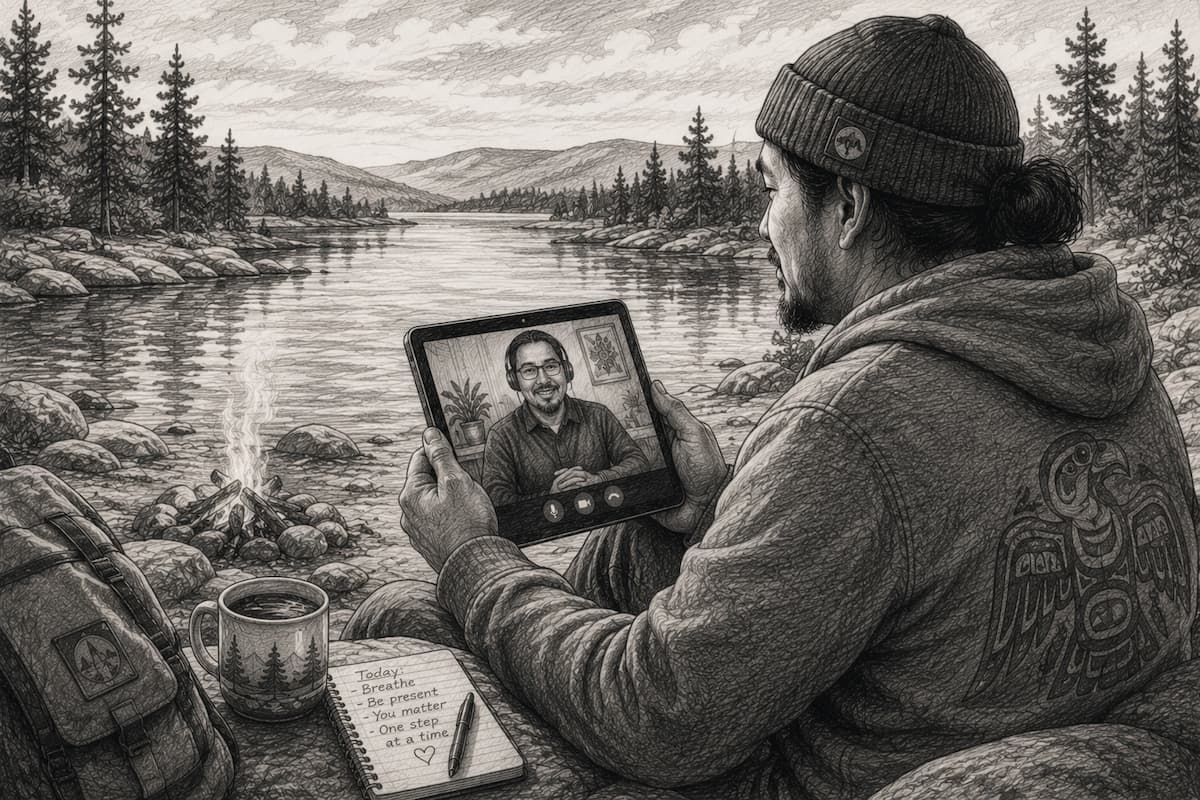
If you live in a remote community, accessing mental health support can feel out of reach. The NIHB Mental Health Services program changes that. It offers short-term, goal-oriented counselling for registered First Nations and Inuit members, whether you're seeking help individually, as a family, or in a group.
Services come to you in person or virtually, with culturally sensitive care at the centre. But what exactly does this coverage include?
Key Takeaways
- Virtual counselling connects remote clients with mental health professionals via secure phone, videoconferencing, and online portals without geographical barriers.
- Coverage includes up to 22 sessions per calendar year, with additional sessions considered on a case-by-case basis.
- Travel support covers air, ground, and mileage costs, plus accommodations and meals when services are unavailable locally.
- Sessions can be attended from home, community centres, or nursing stations, including asynchronous secure messaging for ongoing support.
- Coverage extends to traditional healing consultations with Elders or Healers alongside licensed counsellors and therapists.
What NIHB Mental Health Counselling Covers in Remote Areas
When you live in a remote or northern community, accessing mental health support shouldn't depend on how far you're from the nearest city, which is precisely the gap the NIHB mental health counselling benefit aims to close.
Your access to mental health care shouldn't be measured in miles—that distance is exactly what this benefit works to erase.
This benefit covers short-term, goal-oriented counselling for common mental health concerns and the psychosocial stress tied to colonization, discrimination, and intergenerational trauma affecting First Nations and Inuit people. Indigenous Peoples in unregulated areas face significant barriers to care, which makes this benefit especially vital for remote communities.
You can access counselling individually, with your family, or in a group when it's clinically appropriate, and providers deliver these sessions in person or virtually.
The benefit stands apart from pharmacy, dental, and vision services, and it's designed to complement community, provincial, or organization-run wellness programs rather than replace them.
When your care meets the standard for being medically necessary and fits within an approved counselling plan, NIHB funds it, so you receive professional support shaped around your needs and circumstances.
Who Qualifies and Which NIHB Providers Can Help
Knowing what counselling covers is only half the picture; understanding whether you qualify and who can provide that care fills in the rest.
You're eligible if you're a registered member of a federally recognized First Nation or an Inuk recognized by an Inuit land claim organization, and you're a Canadian resident. Your eligibility ties to federal Indigenous status and program registration, not your income or whether you carry private insurance.
To access services, you'll need a valid NIHB client identification number, which many partner clinics verify against your legal name before booking.
A range of providers can help you. NIHB recognizes licensed psychologists, clinical social workers with a counselling or psychotherapy focus, registered psychotherapists or counselling therapists, and registered psychiatric nurses where provincial rules permit independent practice.
The program also acknowledges traditional healing practices, offering coverage for consultations with Elders or Healers.
Canadian Certified Counsellors are accepted only in exceptional circumstances in rural and remote areas, giving you added options where access is limited.
How NIHB Virtual Counselling Reaches Isolated Communities
The distance between you and quality mental health care shouldn't depend on how far you live from a major city, and that's exactly the gap NIHB virtual counselling is designed to close.
Through secure phone calls, videoconferencing, and online portals, you can connect with approved mental health professionals without leaving your community. You don't have to travel to a regional hub or wait through long referral lists; instead, you can attend sessions from your home, a local community centre, or even a nursing station.
This flexibility matters most where provider shortages and geography have long created barriers.
Asynchronous tools like secure messaging and web-based resources increasingly work alongside real-time sessions, giving you more ways to stay supported between appointments.
Because costs are billed directly to NIHB, you access this care at zero cost. Whether you need ongoing therapy or time-limited support, virtual counselling brings consistent help within reach. Your coverage includes up to 22 sessions per calendar year with an NIHB-registered therapist, with additional sessions considered on a case-by-case basis.
How NIHB Travel Support Gets You to Care
While virtual counselling closes many gaps, some mental health and addictions services still aren't available in your community, and that's where NIHB medical transportation steps in. This benefit acts as a bridge to care, covering travel for registered First Nations and recognized Inuit when you need clinically appropriate services you can't access locally.
Coverage can include air and ground travel, mileage for a private vehicle, and accommodations and meals when an overnight or extended stay is required. If you need support for safety, mobility, communication, or mental health reasons, NIHB can also cover travel for a medical or non-medical escort.
Travel generally goes to the nearest appropriate provider or facility, including NNADAP-funded addictions programs and NIHB-registered counsellors. Most trips need prior approval, along with confirmation of your appointment, except in emergencies. To start the reimbursement process, select the Client Reimbursement Request for Medical Transportation form on Express Scripts Canada.
If you're seeking reimbursement, submit itemized receipts and attendance confirmation within one year of your service date.
This article is intended for educational and informational purposes only and should not be considered medical, legal, or financial advice. NIHB policies, provider eligibility, and coverage procedures may change over time and can vary depending on individual circumstances. For the most current information, contact Indigenous Services Canada, Express Scripts Canada, or a qualified healthcare provider familiar with NIHB mental health counselling services. If you are experiencing a mental health crisis or require urgent support, contact emergency services, 9-8-8, or Hope for Wellness immediately.