How to Find an NIHB-Approved Mental Health Counsellor

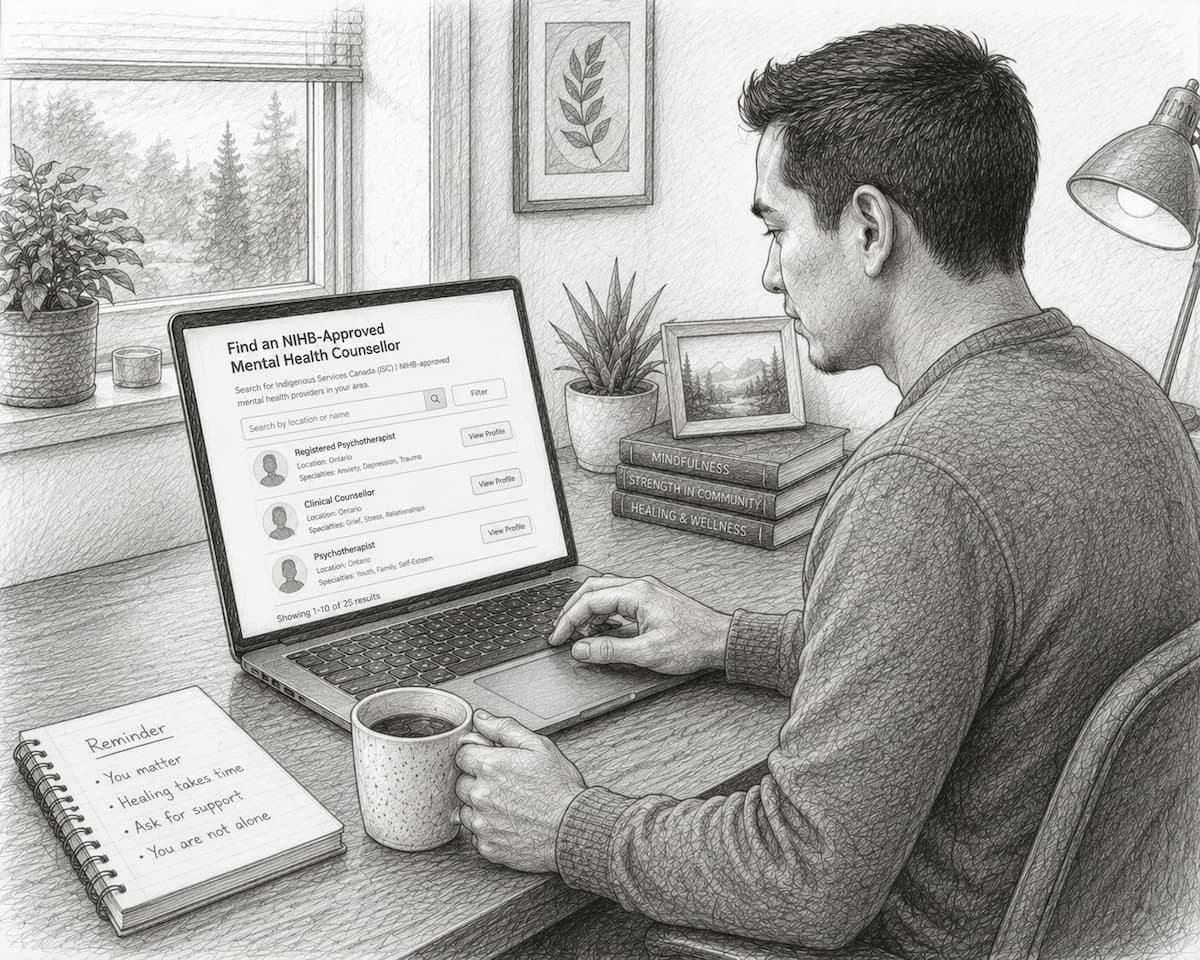
Finding the right mental health counsellor through NIHB doesn't have to feel overwhelming. You're entitled to support, and the program exists to help you access it.
But there's a process to follow, and knowing the steps ahead of time saves you frustration. Before you start searching for a counsellor who fits your needs, there's one thing you'll need to confirm first—and it determines everything that comes next.
Key Takeaways
- Ensure the counsellor is registered with a professional regulatory body and formally enrolled with NIHB for claims processing.
- Contact local First Nations health centres to access Mental Health Provider Lists and clinics offering direct billing.
- Use therapist directories and Indigenous-focused virtual therapy platforms to locate NIHB-recognized providers via phone or video.
- Verify credentials, including active provincial registration, graduate-level education, and licensing exams like the NCE or NCMHCE.
- Match the counsellor to your specific concern, choosing expertise in trauma, addiction, grief, or therapies like CBT.
Search Therapist Directories for NIHB Providers
After you've confirmed how a clinic handles billing, your next move is to find counsellors who actually appear in NIHB-recognized listings. Therapist directories are one of the most efficient places to start.
Begin with regional NIHB provider lists, such as Saskatchewan's Mental Health Provider List, which identify registered counsellors along with their credentials, locations, and areas of practice. Many lists use service codes for trauma, grief, addictions, IRS, or MMIW, helping you match your needs to the right expertise.
Regional NIHB provider lists reveal registered counsellors, their credentials, locations, and specialties—matched to your needs through service codes.
They also flag service formats like in-community counselling, travel, video, or phone sessions, plus language abilities and cultural competencies. Similar directories often note multilingual support, with languages including Arabic, English, Japanese, Hindi, Spanish, Cantonese, Mandarin, Urdu, and Gujarati to ensure culturally sensitive therapy multilingual support.
When you use larger national directories, filter by location, specialty, and accepted insurance, then search profiles for "Non-Insured Health Benefits" or "NIHB."
You can bookmark or export promising results to build a short list, then confirm NIHB status by phone or email before booking your first appointment.
PsychologyToday is one of the most widely used therapist directory sites, you can click here to see a listing of therapists who state they are NIHB providers.
Ask Clinics Directly About NIHB Billing
Knowing what qualifies a counsellor as NIHB-approved is only part of the picture; how a clinic actually handles billing can make the difference between smooth coverage and an unexpected bill.
Before your first appointment, ask whether the clinic bills NIHB directly or expects you to pay upfront and seek reimbursement later, since NIHB permits both. Find out if they submit claims electronically through the Express Scripts Canada NIHB Provider and Client website.
If they don't offer direct billing, confirm that your receipts will include the provider information, service dates, and fees NIHB requires for reimbursement. Be prepared to present your Status Card as identification when you arrive at the clinic.
It's also worth asking whether the counsellor holds an active NIHB/Express Scripts provider number and whether staff are familiar with prior approval and claim forms.
For reimbursement-only arrangements, check coverage and rates with an NIHB regional office beforehand, so you understand any balance NIHB won't cover and can avoid surprises down the road.
Get NIHB Referrals From First Nations Health Centres
Your local First Nations health centre is often the single best starting point for finding an NIHB-approved counsellor, because it serves as a centralized hub where primary care, mental wellness programs, and benefit navigation all come together.
Staff there work directly with providers who meet NIHB eligibility requirements, including registered psychologists, clinical social workers, psychiatric nurses, and psychotherapists in good standing with their regulatory bodies. They can match you with counsellors formally registered with the benefit administrator, since coverage requires an enrolled provider. Through these connections, you can access free mental health counselling for eligible First Nations and Inuit clients with no out-of-pocket costs.
In British Columbia, they'll link you to the First Nations Health Authority's Mental Health Provider List and online provider map. Health centre staff also know which clinics and private practices use direct billing to NIHB or regional programs, reducing your out-of-pocket costs.
Referral pathways often include both local, in-person counsellors and out-of-community providers reachable by phone or video, giving you flexible options where the relevant plan covers them.
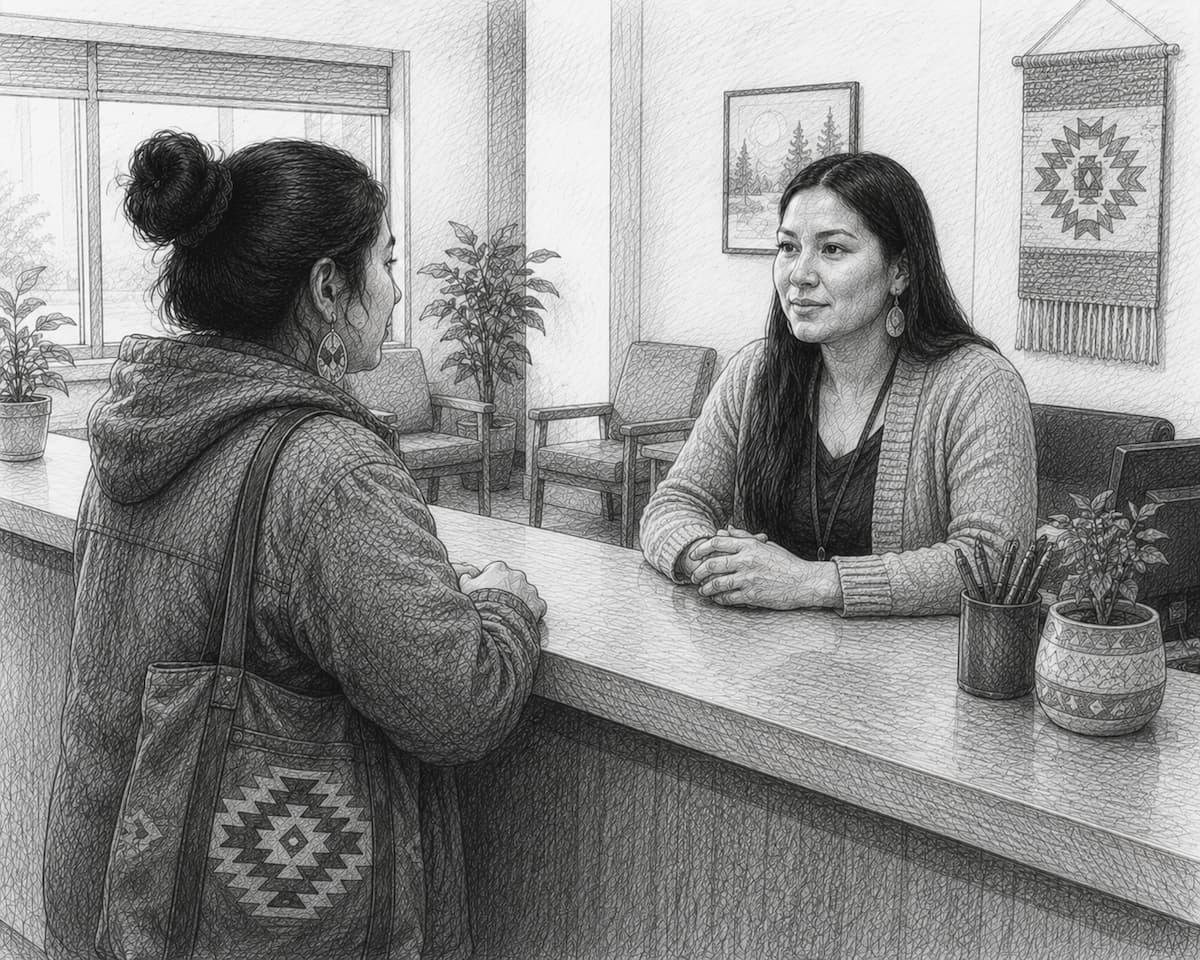
What Makes a Counsellor NIHB-Approved?
When you're searching for a counsellor who qualifies under the Non-Insured Health Benefits (NIHB) program, it helps to understand that "NIHB-approved" isn't a single label but a combination of professional credentials, formal enrolment, and adherence to program rules.
First, the counsellor must hold registration in good standing with a legislated professional regulatory body in your province or territory, and they need eligibility for independent practice rather than supervised or student status.
NIHB recognizes specific provider types: registered psychologists, registered social workers (with a clinical designation where it exists), registered psychiatric nurses, and registered psychotherapists. In rare cases, a counsellor certified by a non-legislated self-regulatory body may be accepted when no legislated providers are enrolled nearby.
Second, the provider must formally enrol with NIHB and appear in its systems, allowing claims to be processed through Express Scripts Canada. Once enrolled, these providers can deliver eligible clients up to 22 hours of counselling per calendar year.
Finally, they agree to follow NIHB's fee guides and benefit rules.
Try Indigenous-Focused Virtual Therapy Platforms
When in-person counselling isn't practical—whether you live in a remote community, lack reliable transportation, or simply prefer the privacy of your own home—Indigenous-focused virtual therapy platforms offer a flexible and culturally grounded alternative.
These services connect you with practitioners trained in Indigenous issues, delivering care through phone or secure video sessions. Many private Indigenous-focused clinics serve adults, youth, couples, and families across provinces like Alberta, British Columbia, and Ontario, while dedicated online therapy streams address colonization, intergenerational trauma, and residential school impacts. These platforms also recognize the impacts of colonization and systemic injustice on Indigenous mental health.
When choosing a platform, look for ones that integrate holistic wellness models, addressing your physical, emotional, mental, and spiritual needs together.
Some incorporate traditional teachings through digital storytelling or facilitate virtual ceremonies with guidance from cultural leaders. Identity-affirming therapist networks and Indigenous-specific directories also let you filter for remote options.
Because these services are culturally tailored, they tend to feel more acceptable and engaging than generic alternatives.
Match Your NIHB Counsellor to Your Concern
Because NIHB funds a limited number of counselling hours each year—often up to 22 per calendar year—matching the right counsellor to your specific concern matters more than you might expect.
Start by clarifying your main problem, since different concerns align best with different therapeutic approaches. Naming one or two priority issues helps you use your sessions wisely and gives you a concrete way to measure progress. If you feel dissatisfied with your care at any point, open communication about your concerns is crucial, and you should consider changing providers if needed.
Clarify one or two priority concerns first—it helps you use limited sessions wisely and measure real progress.
Consider the type and severity of what you're facing:
- Depression or anxiety often respond well to structured talk therapies like cognitive behavioural therapy.
- Trauma, including residential school experiences, calls for a counsellor with specific trauma expertise.
- Addiction or concurrent concerns are best handled by providers with an explicit recovery focus.
- Family or relationship conflict benefits from counsellors skilled in interpersonal work.
- Grief or life adjustment needs someone experienced with loss and change.
This matching makes your sessions count.
Verify the Therapist Is Qualified and NIHB Approved
Before booking an appointment, it's a good idea to confirm that the therapist is both qualified to provide mental health services and approved to work with NIHB clients.
Most therapists in Canada are regulated health professionals, such as:
- Registered Social Workers (RSWs)
- Psychologists
- Psychological Associates
- Registered Psychotherapists (where applicable)
- Registered Clinical Counsellors (in some provinces)
You can usually verify a therapist's registration through their provincial regulatory college or professional association. Most therapists will also list their credentials, areas of practice, and professional background on their website.
It's also important to look for a therapist whose experience matches your needs. Some therapists focus on:
- Anxiety and depression
- Trauma and PTSD
- Grief and loss
- Relationships and family concerns
- ADHD and autism
- Substance use concerns
- Chronic pain
If cultural safety is important to you, consider asking about the therapist's experience working with First Nations, Inuit, and Métis communities. Some providers may also have training in Indigenous-informed approaches, trauma-informed care, or community-based mental health work.
Finally, before booking, confirm that the therapist:
- Accepts NIHB clients
- Is able to direct bill NIHB (if applicable)
- Is currently accepting new clients
Taking a few minutes to verify these details can help you find a therapist who is both qualified and a good fit for your needs.
What Treatment Approaches Should You Look For?
Credentials tell you whether a counsellor is qualified to practice, but the methods they use tell you how they'll actually help you get better.
Look for counsellors who rely on evidence-based therapies (EBTs), which combine current research, clinical expertise, and your individual needs to produce stronger outcomes than non-EBP approaches. These approaches are also rigorously assessed through clinical studies that evaluate potential risks and side effects, enhancing your safety.
These methods have a solid track record across anxiety, depression, PTSD, and substance use disorders.
As you evaluate options, ask whether they offer:
- Cognitive behavioural therapy (CBT), which targets harmful thought patterns and links among thoughts, emotions, and behaviours
- Exposure-based interventions for anxiety, using gradual, controlled exposure to feared situations
- Dialectical behavior therapy (DBT), adding skills in emotion regulation, distress tolerance, and interpersonal effectiveness
- Mindfulness and relaxation techniques, including breathing exercises that reduce physiological arousal
- Solution-focused brief therapy (SFBT), a structured, time-limited model for concrete goals
The right counsellor tailors these approaches to your culture, age, and lifestyle.
Look for Culturally Safe, Trauma-Informed Care
While the right therapeutic methods matter, they only work when they're delivered within a relationship that feels safe and respects who you are.
That's why you should look for a counsellor who practices culturally safe, trauma-informed care. This approach shifts the focus from "what's wrong with you" to "what happened to you" and "what's strong in you," recognizing how traumatic stress shapes your life. A good counsellor recognizes that there is a universal biological response to trauma while still honouring the cultural variations in how trauma is experienced and expressed.
Seek care that asks not "what's wrong with you," but "what happened to you" and "what's strong in you."
A good counsellor builds safety, trust, and collaboration, while honouring your cultural values, beliefs, and healing traditions.
For First Nations, Inuit, and Métis people, this means understanding the lasting impacts of colonization, residential schools, and ongoing systemic racism.
Look for someone who grounds their care in Indigenous worldviews and strengths, and who welcomes the support of your extended family, community, and spiritual leaders.
Ask whether they recognize historical and intergenerational trauma, and whether they'll use your own words for distress rather than relying solely on clinical language.
This article is intended for educational and informational purposes only and should not be considered medical, legal, or financial advice. NIHB policies, provider eligibility, and coverage procedures may change over time and can vary depending on individual circumstances. For the most current information, contact Indigenous Services Canada, Express Scripts Canada, or a qualified healthcare provider familiar with NIHB mental health counselling services. If you are experiencing a mental health crisis or require urgent support, contact emergency services, 9-8-8, or Hope for Wellness immediately.