NIHB Mental Health Coverage for Adults
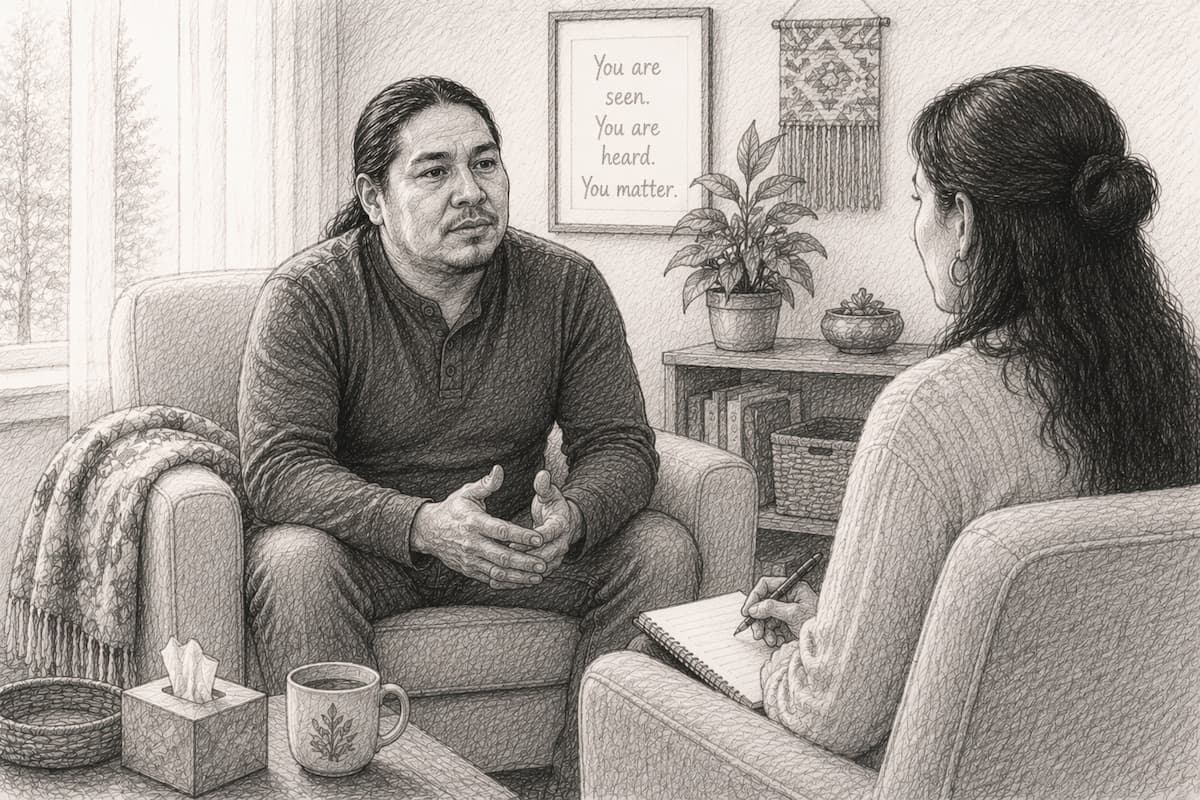
If you're a registered First Nations person or recognized Inuit adult, the Non-Insured Health Benefits (NIHB) program may help cover the cost of mental health counselling and psychotherapy.
NIHB provides access to professional counselling services for a wide range of mental health concerns, including anxiety, depression, trauma, grief, stress, relationship challenges, and other emotional difficulties. For many adults, NIHB makes it possible to access therapy without worrying about out-of-pocket costs.
Who Qualifies for NIHB Mental Health Coverage?
To access NIHB mental health counselling, you must:
- Be a registered First Nations person under the Indian Act or a recognized Inuit beneficiary
- Reside in Canada
- Be eligible for provincial or territorial health insurance coverage
Both adults living on-reserve and off-reserve may qualify for NIHB mental health benefits.
If you're unsure about your eligibility, you can contact the NIHB Client Information Line or speak with an NIHB-approved provider who can help verify your coverage.
What Mental Health Services Are Covered?
NIHB covers professional mental health counselling provided by approved and regulated healthcare professionals.
Counselling may address concerns such as:
- Anxiety
- Depression
- Trauma and PTSD
- Grief and loss
- Stress and burnout
- Family conflict
- Relationship difficulties
- Caregiver stress
- Emotional regulation challenges
- Life transitions and adjustment issues
The goal of counselling is to provide practical support, coping strategies, emotional processing, and a safe space to discuss challenges affecting your well-being.
How Many Counselling Sessions Does NIHB Cover?
NIHB provides coverage for up to 22 hours of counselling per calendar year.
Because most therapy sessions are approximately 50 to 60 minutes long, this generally translates to about 20 to 22 counselling appointments annually.
Your first appointment may include a longer assessment session, which is counted toward your total approved hours.
For many adults, 22 hours provides enough support to address specific concerns and work toward meaningful therapeutic goals.
What If You Need More Than 22 Hours?
Some individuals require ongoing support beyond the standard annual allotment.
When additional counselling is clinically necessary, your therapist may request extra hours through the NIHB approval process. Requests are reviewed individually and typically include information about:
- Your progress in therapy
- Current treatment goals
- Clinical reasons for continued counselling
- The number of additional hours being requested
Additional coverage is not automatically approved, but extensions may be granted when there is a demonstrated need for ongoing treatment.
Which Mental Health Professionals Can You See?
NIHB mental health services must be provided by approved professionals who are regulated and licensed to practice independently.
Depending on your province or territory, this may include:
- Registered Social Workers (RSWs)
- Registered Psychotherapists (RPs)
- Registered Psychologists
- Registered Psychiatric Nurses
Many NIHB-approved providers offer direct billing, meaning they bill the program on your behalf and you do not have to pay upfront.
Traditional Healing and Cultural Supports
Mental wellness is about more than symptoms and diagnoses.
Many First Nations and Inuit communities recognize the importance of balancing emotional, physical, spiritual, and cultural well-being. Traditional healing practices, Elder support, ceremonies, storytelling, and cultural teachings can play an important role in healing and recovery.
Many people choose to combine professional counselling with traditional approaches to wellness. This can help strengthen cultural identity, build community connection, and support healing from intergenerational trauma and other life challenges.
Can Adults Access Virtual Counselling?
Yes.
Many NIHB-approved therapists now offer virtual counselling through secure video platforms or telephone appointments.
Virtual counselling can be particularly helpful for adults living in rural, northern, or remote communities where local mental health services may be limited.
In most cases, the same NIHB coverage applies whether counselling is provided virtually or in person.
How to Access NIHB Mental Health Counselling
Getting started is usually straightforward:
- Confirm your NIHB eligibility.
- Find an NIHB-approved mental health provider.
- Book an appointment directly with the therapist.
- Attend your first counselling session.
Many providers can verify your coverage and assist with the approval process if required.
Check out these similar posts:
- NIHB Mental Health Coverage for Seniors
- NIHB Mental Health Coverage for Students
- NIHB Coverage for Children and Youth
Final Thoughts
NIHB mental health coverage helps eligible First Nations and Inuit adults access professional counselling services without the financial barriers that often prevent people from seeking support.
Whether you're struggling with anxiety, depression, trauma, grief, stress, or other life challenges, counselling can provide practical tools, emotional support, and a safe space to work toward your goals.
With up to 22 hours of coverage available each year—and the possibility of additional approved hours when clinically necessary—NIHB helps make mental health care more accessible for Indigenous adults across Canada.
This article is intended for educational and informational purposes only and should not be considered medical, legal, or financial advice. NIHB policies, provider eligibility, and coverage procedures may change over time and can vary depending on individual circumstances. For the most current information, contact Indigenous Services Canada, Express Scripts Canada, or a qualified healthcare provider familiar with NIHB mental health counselling services. If you are experiencing a mental health crisis or require urgent support, contact emergency services, 9-8-8, or Hope for Wellness immediately.