NIHB Mental Health Coverage for Seniors
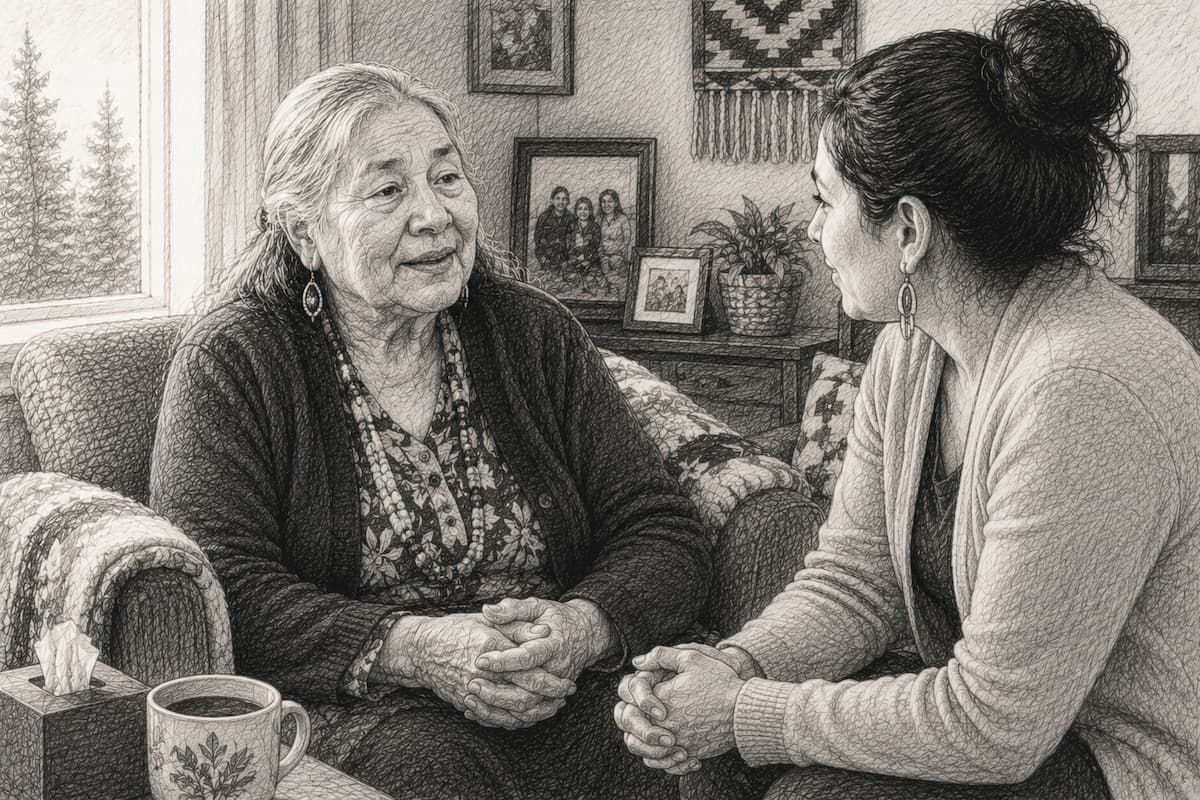
As we age, mental health remains just as important as physical health. Many Indigenous seniors face challenges such as grief, loneliness, chronic illness, caregiving responsibilities, anxiety, depression, and the lasting impacts of trauma.
The Non-Insured Health Benefits (NIHB) program helps eligible First Nations and Inuit seniors access professional mental health counselling and psychotherapy services at no cost.
Whether you're seeking support for a recent life change or coping with challenges that have existed for many years, NIHB may help reduce barriers to accessing care.
Who Qualifies for NIHB Mental Health Coverage?
Eligibility for NIHB mental health services is based on client status, not age.
- A registered First Nations person under the Indian Act
- A recognized Inuit beneficiary
- A resident of Canada
- Registered within the NIHB system
Turning 65 does not change your eligibility. As long as you remain eligible for NIHB benefits, you can continue accessing covered mental health services.
What Mental Health Services Are Covered?
NIHB covers professional counselling and psychotherapy services provided by approved mental health professionals.
Services may include:
- Individual counselling
- Family counselling
- Couples counselling
- Group counselling
- Trauma-informed therapy
- Grief counselling
- Anxiety and depression treatment
Mental health support is available for a wide range of concerns that commonly affect older adults.
Common Mental Health Concerns Among Seniors
Many seniors experience significant life transitions that can affect emotional well-being.
Counselling may help with:
- Depression
- Anxiety
- Grief and loss
- Caregiver stress
- Chronic illness adjustment
- Loneliness and isolation
- Relationship challenges
- Life transitions and retirement
- Trauma and PTSD
For Indigenous seniors, counselling may also address the long-term impacts of colonization, cultural loss, intergenerational trauma, and experiences connected to residential schools.
Many individuals seek support for several concerns at once, and therapy provides a safe space to explore these challenges with a trained professional.
Trauma-Informed Support for Residential School Survivors
Many Indigenous seniors continue to live with the effects of residential schools, forced displacement, family separation, and other forms of historical trauma.
These experiences can affect emotional well-being throughout the lifespan and may contribute to:
- Anxiety
- Depression
- Grief
- Relationship difficulties
- Sleep problems
- Post-traumatic stress symptoms
NIHB-supported counselling can provide trauma-informed care that recognizes the historical, cultural, and personal context of these experiences.
Many therapists work collaboratively with clients to support healing while respecting cultural values and lived experiences.
Traditional Healing and Cultural Supports
Healing often extends beyond conventional counselling.
Many First Nations and Inuit communities recognize the importance of spiritual, cultural, emotional, and community-based approaches to wellness.
Traditional healing may include:
- Elder support
- Cultural teachings
- Ceremonies
- Storytelling
- Land-based practices
- Community connection
Many seniors find that combining professional counselling with traditional healing approaches creates a more meaningful and culturally relevant path toward wellness.
How Many Counselling Sessions Are Covered?
NIHB generally provides coverage for up to 22 hours of counselling per calendar year.
Since most sessions are approximately one hour long, this often translates to about 20 to 22 counselling appointments annually.
These hours may be used for:
- Individual counselling
- Couples counselling
- Family counselling
- Group counselling
For many seniors, this provides sufficient support to address current concerns and work toward meaningful goals.
Can Additional Counselling Hours Be Approved?
Yes.
If ongoing treatment is clinically necessary, an NIHB-approved provider may request additional counselling hours.
Requests are reviewed individually and typically include information about:
- Current treatment goals
- Progress in therapy
- Clinical need for continued counselling
Additional coverage is not automatic, but extensions may be approved when further treatment is justified.
How to Access NIHB Counselling
Getting started is usually straightforward.
- Confirm your NIHB eligibility.
- Find an NIHB-approved mental health provider.
- Book an appointment.
- Attend your first counselling session.
Many providers offer direct billing and can help verify your coverage before treatment begins.
Counselling may be available in person, by telephone, or through secure virtual appointments depending on the provider and your location.
Final Thoughts
NIHB mental health coverage helps eligible First Nations and Inuit seniors access counselling and psychotherapy services without the financial barriers that often prevent people from seeking support.
Whether you're coping with grief, anxiety, depression, trauma, caregiving stress, or major life changes, counselling can provide practical tools, emotional support, and a safe space to talk.
Combined with traditional healing and cultural supports, NIHB counselling services help many Indigenous seniors access care that respects both their mental health needs and their cultural identity.
This article is intended for educational and informational purposes only and should not be considered medical, legal, or financial advice. NIHB policies, provider eligibility, and coverage procedures may change over time and can vary depending on individual circumstances. For the most current information, contact Indigenous Services Canada, Express Scripts Canada, or a qualified healthcare provider familiar with NIHB mental health counselling services. If you are experiencing a mental health crisis or require urgent support, contact emergency services, 9-8-8, or Hope for Wellness immediately.