NIHB Mental Health Coverage for Students

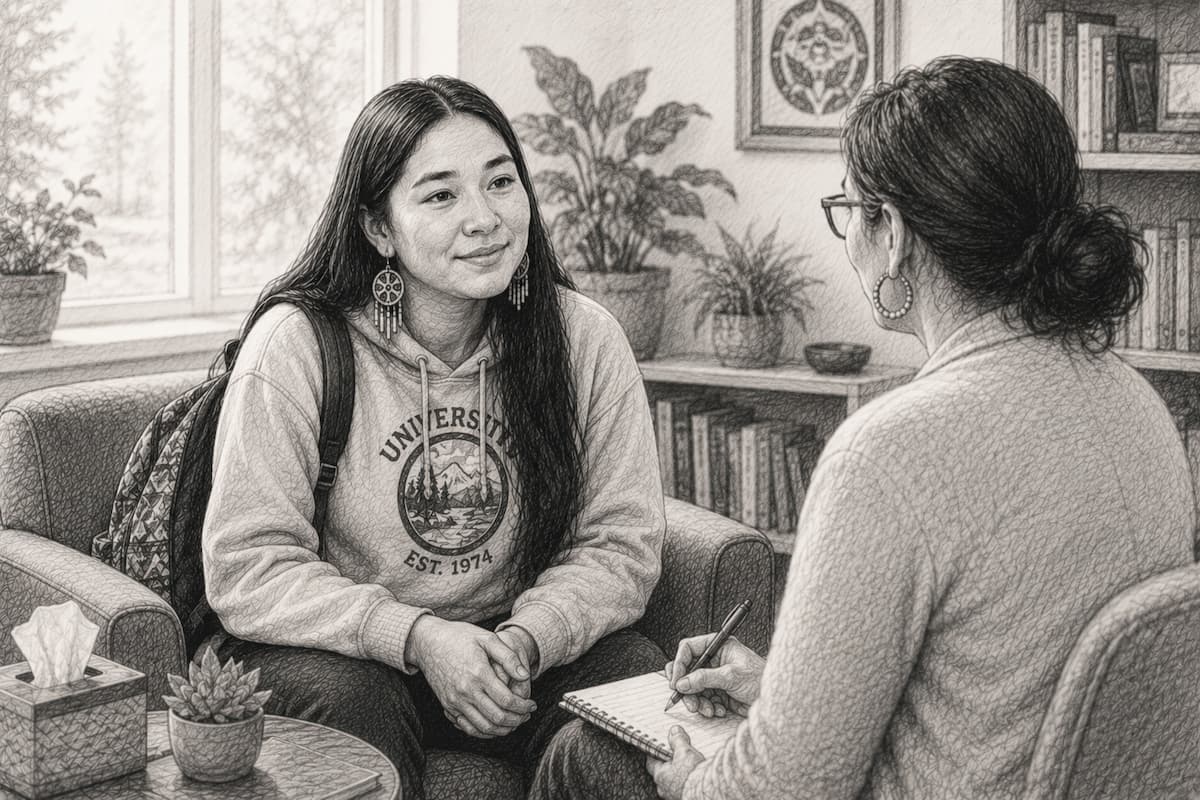
Being a student can be rewarding, but it can also be stressful. Academic pressure, financial concerns, relationships, family responsibilities, and major life transitions can all affect mental health.
The Non-Insured Health Benefits (NIHB) program helps eligible First Nations and Inuit students access professional mental health counselling and psychotherapy services. Whether you're attending high school, college, university, or another educational program, NIHB may help reduce financial barriers to accessing support.
Who Qualifies for NIHB Mental Health Coverage?
Eligibility for NIHB mental health services is based on First Nations or Inuit status, not student status.
You may qualify if you are:
- A registered First Nations person under the Indian Act
- A recognized Inuit beneficiary
- A resident of Canada
- Registered within the NIHB system
As long as you meet eligibility requirements, you can access NIHB-covered counselling whether you are a student, employed, unemployed, or retired.
What Mental Health Services Are Covered?
NIHB covers professional counselling and psychotherapy services provided by approved mental health professionals.
Services may include:
- Individual counselling
- Family counselling
- Couples counselling
- Group counselling
- Trauma-informed therapy
- Grief counselling
- Anxiety and depression treatment
Counselling is available for a wide variety of concerns commonly experienced by students.
Common Mental Health Concerns Among Students
Many students seek counselling while navigating academic, social, and personal challenges.
Counselling may help with:
- Anxiety
- Depression
- Stress and burnout
- Exam-related stress
- Relationship difficulties
- Homesickness
- Identity concerns
- Trauma and PTSD
- Grief and loss
- Substance use concerns
- Emotional regulation difficulties
For Indigenous students, counselling may also provide support related to cultural identity, intergenerational trauma, experiences of discrimination, and adjusting to life away from home communities.
Does NIHB Cover Different Types of Counselling?
Yes.
NIHB coverage is flexible and may include several counselling formats depending on your needs.
Individual Counselling
Individual counselling provides a private space to discuss personal concerns, develop coping strategies, and work toward specific goals.
Many students access individual therapy for anxiety, depression, stress, trauma, and relationship concerns.
Family Counselling
Family counselling may be helpful when family relationships contribute to stress or when multiple family members are affected by the same challenge.
Sessions focus on improving communication, resolving conflict, and strengthening relationships.
Couples Counselling
Students in committed relationships may benefit from couples counselling to address communication difficulties, conflict, trust issues, or major life transitions.
Group Counselling
Group counselling allows students to connect with others experiencing similar challenges while receiving support from a qualified mental health professional.
Many people find group settings helpful for reducing isolation and building a sense of connection.
How Many Counselling Sessions Are Covered?
NIHB generally provides coverage for up to 22 hours of counselling per calendar year.
Because most appointments last approximately one hour, this often translates to about 20 to 22 counselling sessions annually.
These hours may be used for:
- Individual counselling
- Family counselling
- Couples counselling
- Group counselling
For many students, this provides enough support to address immediate concerns and develop effective coping strategies.
Can Additional Hours Be Approved?
Yes.
If your therapist believes continued treatment is clinically necessary, they may request additional counselling hours through the NIHB approval process.
Requests are reviewed individually and may be approved when there is a demonstrated need for ongoing support.
Additional hours are not automatically granted, but they may be available in more complex situations.
Traditional Healing and Cultural Supports
Many Indigenous students benefit from combining counselling with cultural and community-based supports.
Traditional healing approaches may include:
- Elder guidance
- Cultural teachings
- Ceremonies
- Storytelling
- Land-based activities
- Community connection
For many students studying away from home, maintaining cultural connection can be an important part of overall wellness.
Combining professional counselling with traditional healing practices often provides a more holistic approach to mental health and well-being.
Can Students Access Virtual Counselling?
Yes.
Many NIHB-approved providers offer counselling through secure video platforms or telephone appointments.
Virtual counselling can be especially helpful for students who:
- Live in remote communities
- Attend school away from home
- Have limited transportation
- Prefer the convenience of online appointments
In most cases, the same NIHB coverage applies whether services are provided in person or virtually.
How to Access NIHB Counselling
Getting started is usually straightforward.
- Confirm your NIHB eligibility.
- Find an NIHB-approved mental health provider.
- Book an appointment.
- Attend your first counselling session.
Many providers offer direct billing and can help verify your eligibility before treatment begins.
Final Thoughts
NIHB mental health coverage helps eligible First Nations and Inuit students access professional counselling services without the financial barriers that often prevent people from seeking support.
Whether you're dealing with academic stress, anxiety, depression, trauma, relationship challenges, or major life transitions, counselling can provide practical tools and meaningful support.
Combined with traditional healing and cultural resources, NIHB-funded counselling helps many Indigenous students access care that supports both their mental health and their cultural identity.
This article is intended for educational and informational purposes only and should not be considered medical, legal, or financial advice. NIHB policies, provider eligibility, and coverage procedures may change over time and can vary depending on individual circumstances. For the most current information, contact Indigenous Services Canada, Express Scripts Canada, or a qualified healthcare provider familiar with NIHB mental health counselling services. If you are experiencing a mental health crisis or require urgent support, contact emergency services, 9-8-8, or Hope for Wellness immediately.