NIHB Counselling for Stress & Burnout
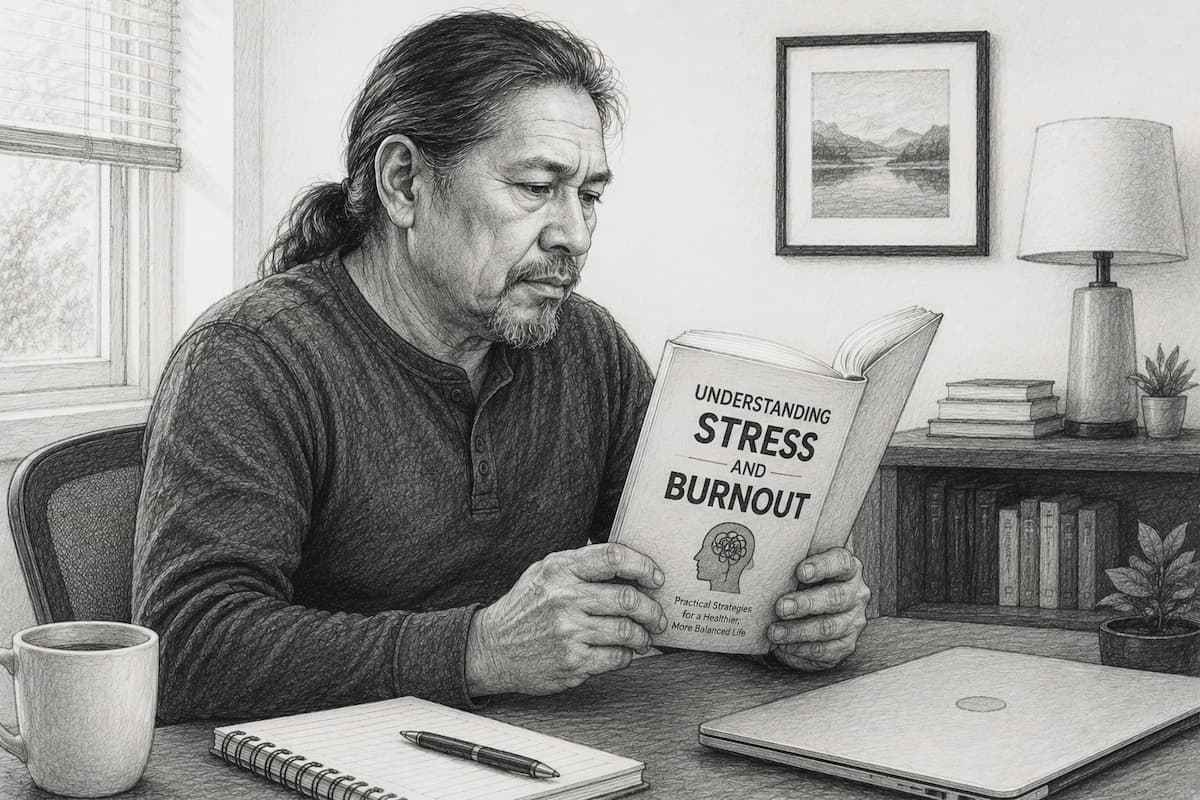
You don't need to hit rock bottom before reaching out for help. If you're a First Nations or Inuit person dealing with stress or burnout, the NIHB program covers mental health counselling—up to 22 hours each year.
That's enough for a real assessment, ongoing sessions, and practical coping strategies tailored to your situation.
But before you book, there are a few things worth knowing about who qualifies and how it works.
Key Takeaways
- NIHB funds up to 22 hours of mental health counselling per eligible client each calendar year, covering stress and burnout.
- The first 2 hours are for assessment and goal setting, requiring no prior approval.
- Burnout treatment typically lasts 8–12 sessions for coping skills, or 3–6+ months for deeper issues.
- Counselling is available individually, with family, or in groups, both in-person and virtually.
- Traditional healing and the 24/7 Hope for Wellness Help Line offer additional support for stress and burnout.
Who Qualifies for NIHB Mental Health Benefits?
Who qualifies for NIHB mental health benefits? To access counselling for stress and burnout, you'll first need to meet the program's core eligibility requirements.
You qualify if you're a resident of Canada who's a First Nations person registered under the Indian Act, an Inuk recognized by an Inuit land claim organization listed in federal NIHB policy, or a child under 2 with at least one NIHB-eligible parent.
If you're a parent in that last category, it's wise to apply for Indian status or Inuit recognition promptly, so your child's coverage continues after turning 2.
Once you've established this eligibility, you can access mental health counselling benefits, provided equivalent services aren't already available through your provincial, territorial, private, or other publicly funded plans. Once eligible, NIHB covers up to 22 hours of mental health counselling per calendar year, with additional hours available on a case-by-case basis.
How Many NIHB Counselling Sessions You Get
Wondering how much support you can actually count on each year? NIHB funds up to 22 hours of mental health counselling per eligible client each calendar year, running January through December.
In Ontario, that typically breaks down into 2 hours for an initial assessment and 20 hours for ongoing individual sessions. Those 22 hours cover individual, family, and group counselling combined, plus both in-person and virtual sessions, all drawing from the same annual total.
The first 2 hours of counselling require no prior approval, so you can begin getting support right away.
Each session usually runs 50–60 minutes and counts as one billed hour, reducing your remaining balance. The best part? When you see an NIHB-enrolled provider, you don't pay out of pocket for approved hours.
Then, when a new calendar year begins, your allocation of up to 22 hours resets.
What Happens in a Burnout Counselling Session?
When you start burnout counselling, the first session usually centers on intake, assessment, and goal setting rather than diving straight into solutions. Your counsellor gathers information about work stressors, emotional symptoms, and health history to clarify whether your symptoms fit burnout, depression, anxiety, caregiver stress, or another condition.
They'll explain confidentiality, informed consent, and how sessions work, including limits tied to risk of harm. A risk assessment screens for suicidal thoughts or severe impairment so you receive the right level of care.
From there, you'll set collaborative goals, like reducing exhaustion, improving sleep, and building a healthier work–life balance, broken into measurable steps. Your counsellor may also help you recognize signs of burnout, such as constant fatigue regardless of rest, difficulty focusing, or emotional detachment, so early intervention can begin.
You'll also discuss treatment length, whether that's 8–12 sessions for coping skills or 3–6+ months addressing deeper patterns and workplace factors.
NIHB Traditional Healing and Crisis Supports
Because healing looks different for everyone, the federal Non-Insured Health Benefits (NIHB) program, funded by Health Canada, extends beyond clinical therapy to recognize traditional healing as a meaningful part of mental wellness.
You may be able to access consultations with Elders, Knowledge Keepers, or traditional healers as a complement to your counselling, addressing stress, grief, and burnout through ceremonies, traditional medicines, land-based activities, and storytelling. This reflects the program's commitment to a holistic approach to mental health care.
Your regional NIHB office can confirm what's covered in your area.
When distress feels urgent, you don't have to wait for an appointment. The First Nations and Inuit Hope for Wellness Help Line offers 24/7 crisis counselling by phone and online chat in English, French, and some Indigenous languages, giving you constant support during your hardest moments.
Conclusion
You don't have to manage stress and burnout on your own. With NIHB covering up to 22 hours of counselling each year, you've got meaningful support within reach.
Considering that nearly one in three adults reports experiencing burnout at some point, you're far from alone in this. Take that first step, connect with a counsellor, and start building the coping strategies that'll help you reclaim your balance and well-being.
This article is intended for educational and informational purposes only and should not be considered medical, legal, or financial advice. NIHB policies, provider eligibility, and coverage procedures may change over time and can vary depending on individual circumstances. For the most current information, contact Indigenous Services Canada, Express Scripts Canada, or a qualified healthcare provider familiar with NIHB mental health counselling services. If you are experiencing a mental health crisis or require urgent support, contact emergency services, 9-8-8, or Hope for Wellness immediately.