NIHB Counselling for Caregiver Stress

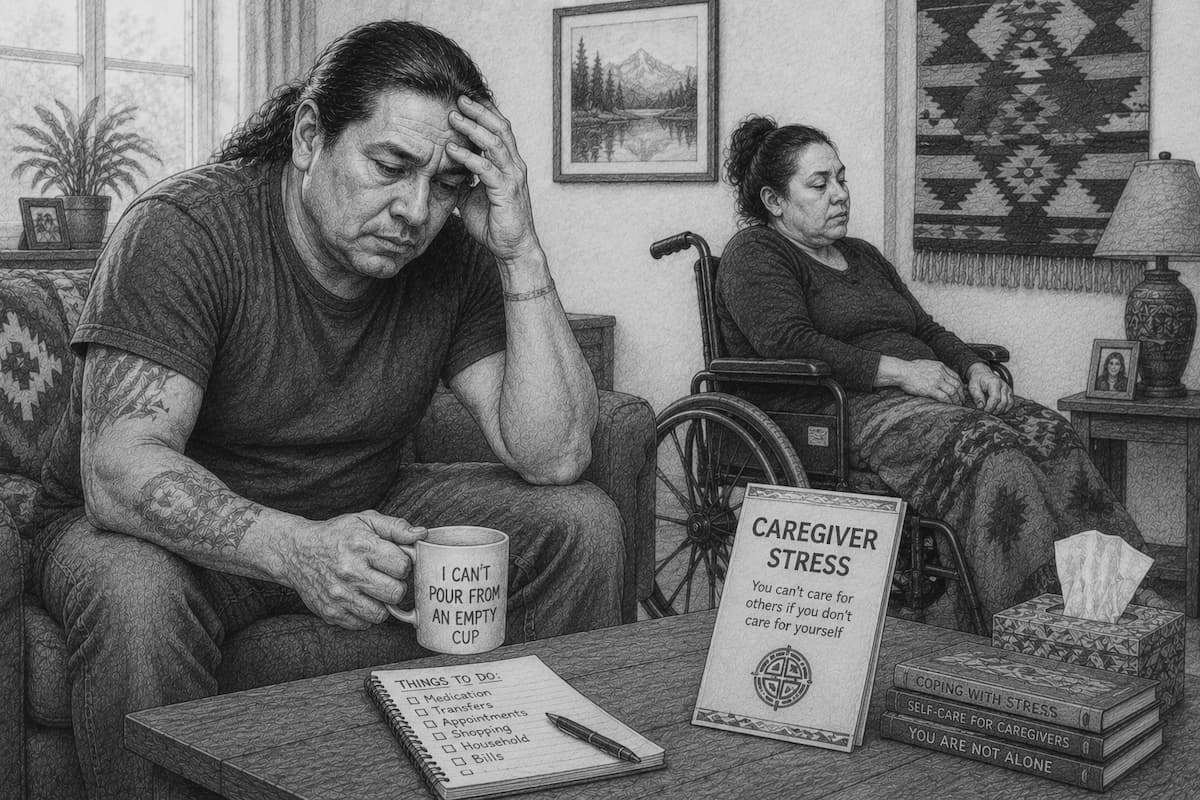
Caring for someone you love can quietly drain you. The constant demands often lead to anxiety, exhaustion, and a sense that you've lost yourself somewhere along the way. If you're a First Nations or Inuit caregiver, NIHB counselling offers real support—up to 22 sessions a year.
But before you book, you'll want to know whether you qualify and what these benefits actually cover.
Key Takeaways
- NIHB covers professional mental health counselling for caregiver stress, including anxiety, depression, trauma, grief, and caregiving role strain.
- Eligibility is based on recognized Indigenous status, including First Nations registered under the Indian Act and recognized Inuit.
- Coverage includes up to 22 sessions per calendar year, with additional sessions approved on a case-by-case basis.
- Counselling is available individually or for families, couples, and groups via in-person, telephone, or secure virtual appointments.
- Access requires a valid NIHB client number and status identification, with clinics often handling verification and prior approval paperwork.
How Caregiver Stress Quietly Wrecks Your Health
While you're focused on someone else's needs, caregiver stress often works in the background, quietly undermining your health long before you recognize the warning signs. It starts subtly, with irritability, emotional exhaustion, and trouble sleeping, then escalates as the demands continue.
Over time, persistent stress raises your blood pressure and contributes to hypertension and heart disease. It weakens your immune defenses, leaving you more vulnerable to illness, while poor sleep deepens fatigue and intensifies mood symptoms. You might notice headaches, lingering tiredness, or other somatic complaints you can't quite explain.
When you skip exercise, balanced meals, and adequate hydration to keep caregiving, your resilience erodes further.
Left unaddressed, this slow decline increases your risk for major depression, anxiety disorders, and serious chronic conditions.
Beyond the personal toll, caregiver stress represents a public health issue that drives significant financial costs for individuals, families, and health care systems alike.
Who Qualifies for NIHB Mental Health Benefits?
How do you know whether you qualify for NIHB mental health benefits?
Eligibility comes down to recognized Indigenous status rather than your income, job, or specific diagnosis.
You qualify if you're a First Nations person registered under the Indian Act and living in Canada, or an Inuit recognized by a land claim organization, such as an Inuvialuit Beneficiary identified by the Inuvialuit Regional Corporation.
As a federally funded initiative, the NIHB Program provides coverage for health services not included in provincial or territorial plans.
Children under 18 months also qualify when at least one parent or guardian is an eligible client. You'll need to be registered, or eligible for registration, under your provincial or territorial health plan.
Keep in mind that NIHB acts as a payer of last resort, so it covers counselling only when comparable services aren't available through other insurance or publicly funded programs.
What NIHB Counselling Covers for Caregivers
Once you've confirmed your eligibility, the next question is what NIHB counselling actually pays for, and the answer is broader than many caregivers expect.
The program covers professional mental health counselling for children, youth, adults, Elders, couples, and families, a structure that fits the many relationships caregiving involves. You can access support for caregiver stress itself, along with the anxiety, depression, trauma, grief, and relationship challenges that often accompany it.
NIHB counselling supports the whole web of caregiving relationships, addressing stress, anxiety, depression, trauma, grief, and the challenges that come with them.
Sessions can address guilt, frustration, loneliness, role strain, and complex family dynamics, while building coping skills, emotional regulation, and self-care plans. This is especially relevant for Elders, who can receive counselling for chronic illness adjustment and other major life transitions.
NIHB funds individual, family, couples, and group counselling, plus trauma-informed and grief therapy. You can attend in person, by telephone, or through secure virtual appointments, which helps if you live somewhere remote or underserved.
Book NIHB Counselling in a Few Simple Steps
Four straightforward steps stand between you and your first NIHB counselling session, and none of them are as complicated as they might seem when you're already stretched thin by caregiving.
First, confirm you're eligible: you'll need a valid NIHB client number and status identification, like a Secure Certificate of Indian Status.
Second, gather your basic details—full name, date of birth, community affiliation, and any other health coverage you carry.
Third, connect with an NIHB-registered clinic and/or provider by phone or online, describing your caregiving concerns and counselling goals so they can match you with the right therapist. Your coverage includes up to 22 sessions per calendar year with an NIHB-registered therapist, with additional sessions considered on a case-by-case basis.
Finally, let the clinic handle verification and any prior approval request. Many providers manage this paperwork for you, and approved sessions are fully covered with no out-of-pocket costs.
Pair NIHB Counselling With Other Caregiver Supports
Although NIHB counselling offers meaningful relief on its own, it works best as one piece of a larger support system rather than a standalone fix.
Your up to 22 hours of individual or group counselling each year reinforce, and are reinforced by, peer support and caregiver groups that reduce isolation and build coping skills between sessions. These counselling services are accessed through eligible providers enrolled with the NIHB program.
Pair counselling with respite care funded through programs like the National Family Caregiver Support Program, which frees you to attend appointments and follow through on self-care plans.
Supplemental help with equipment, transportation, and benefits navigation eases practical strain so emotional work sticks.
Caregiver education and skills training—covering disease stages, nutrition, financial literacy, and problem-solving—complement the grief processing and boundary-setting you address in counselling, easing both emotional distress and concrete demands.
Conclusion
Funny how the day you finally decide to ask for help is often the day you realize how long you've needed it. You don't have to carry caregiver stress alone, and NIHB counselling gives you a real path forward—up to 22 sessions, your choice of format, and support that fits your life.
Pair it with community resources, lean on your circle, and you'll protect your health while caring for someone else's.
This article is intended for educational and informational purposes only and should not be considered medical, legal, or financial advice. NIHB policies, provider eligibility, and coverage procedures may change over time and can vary depending on individual circumstances. For the most current information, contact Indigenous Services Canada, Express Scripts Canada, or a qualified healthcare provider familiar with NIHB mental health counselling services. If you are experiencing a mental health crisis or require urgent support, contact emergency services, 9-8-8, or Hope for Wellness immediately.