NIHB Counselling for Grief & Loss

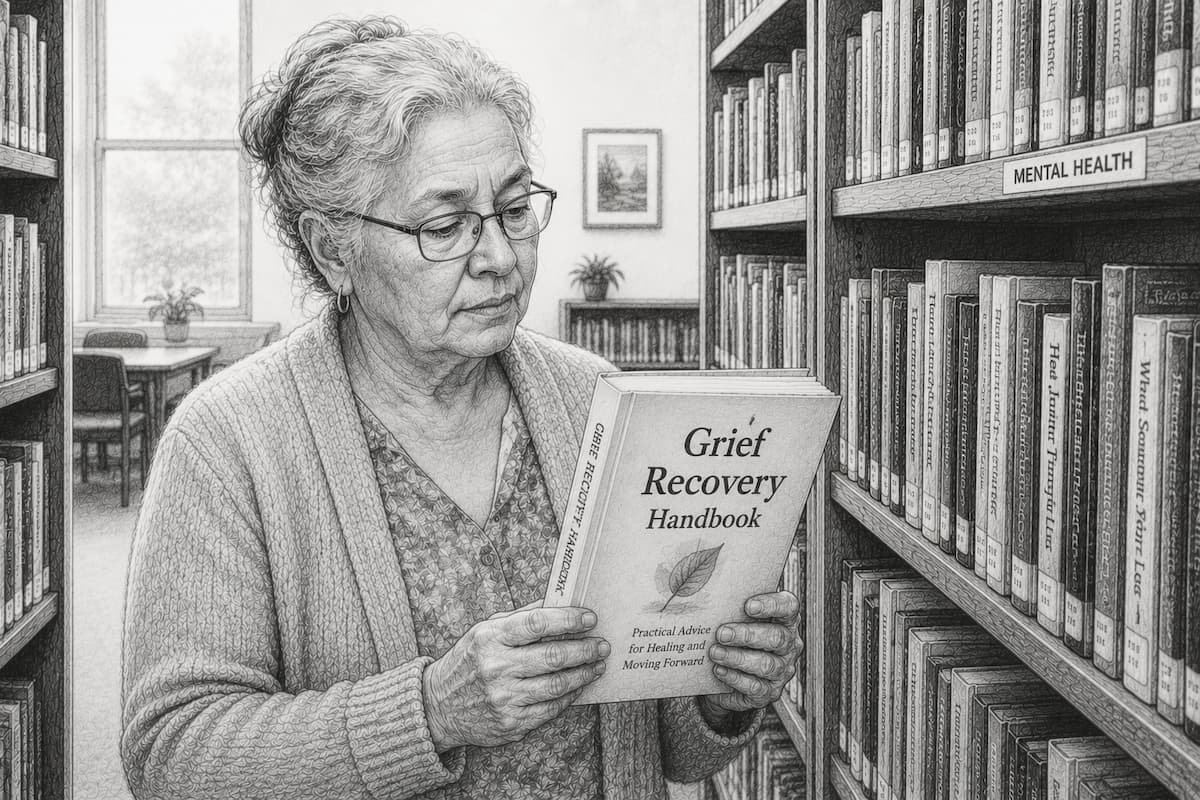
Grief doesn't follow a schedule, and neither should the support you receive while managing it. If you're a registered First Nations or recognized Inuit individual, NIHB may cover counselling for the emotional weight that loss brings—whether you're facing trauma, depression, or simply struggling to move forward.
These services extend to individuals, families, couples, and groups. But before you book a session, there's an important step you'll need to understand first.
Key Takeaways
- NIHB covers grief and loss counselling as a recognized mental health service for children, youth, adults, and Elders.
- Eligibility requires registration as a First Nations individual under the Indian Act or as a recognized Inuit beneficiary.
- Sessions are available in individual, family, couples, and group formats, delivered via video, telephone, or in-person.
- NIHB approval is required before booking, with direct billing ensuring no out-of-pocket costs for approved services.
- Crisis support like the Hope for Wellness Help Line offers 24/7 assistance between counselling sessions.
Does NIHB Cover Grief and Loss Counselling?
Yes, the Non-Insured Health Benefits (NIHB) program covers grief and loss counselling, treating it as a recognized mental health service rather than a separate or specialized program.
You'll find grief counselling listed alongside individual, family, couples, and group counselling as a covered NIHB service, and many enrolled clinics specifically identify grief and loss as a funded concern.
The program addresses a wide range of emotional and psychological challenges, so your grief-related distress following a loss falls within the same scope that supports trauma, depression, anxiety, intergenerational trauma, and substance use. Grief counselling is available across the lifespan, supporting children, youth, adults, and Elders adjusting to loss and life transitions.
Because grief-focused counselling is delivered under the broader NIHB mental health benefit category, you access it through the same therapeutic stream as other interventions, not through a standalone or restricted process.
Who Qualifies for NIHB Grief Counselling?
Qualifying for NIHB grief counselling comes down primarily to your Indigenous status rather than your income or employment situation.
You'll need to be a registered First Nations individual under the Indian Act or a recognized Inuit beneficiary under an Inuit Land Claim organization, and you'll need a valid NIHB client identification number. Eligibility is confirmed when clinics verify your coverage through Express Scripts Canada before booking.
Registered First Nations children and recognized Inuit youth qualify for the same coverage as adults, and unregistered children up to age 2 may access benefits when at least one parent is NIHB-eligible.
Because NIHB acts as the payer of last resort, you'll have to bill any other public or private insurance first.
Family or couples grief sessions can also qualify, provided at least one participant holds NIHB eligibility and the service is clinically indicated.
How to Book Sessions With an NIHB Provider
Where do you begin when you're ready to connect with an NIHB grief counsellor? Once NIHB confirms your approval, you can move forward with booking.
Many enrolled clinics invite you to schedule your initial sessions through online booking systems, by phone, or via email. If a clinic offers a self-booking portal, you'll typically select your preferred therapist, choose an available time, and decide whether you want a virtual or in-person session.
Booking your first session can be as simple as choosing your therapist, your time, and your preferred format.
Some providers prefer phone or email booking, especially when they need to coordinate approval details, your preferred modality, and scheduling availability together.
Because NIHB coverage applies to video or telephone sessions as well as in-person visits, you can choose the format that feels most comfortable and accessible for you.
Indigenous Crisis Supports Beyond NIHB Counselling
Grief doesn't wait for your next scheduled appointment, and there are moments when distress escalates faster than any booking system can accommodate.
When that happens, you can reach the Hope for Wellness Help Line, a national 24/7 phone and online chat service offering immediate emotional support and crisis intervention for First Nations, Inuit and Métis people. It's free, confidential, and available regardless of your NIHB eligibility.
Counsellors provide support in English and French, with Indigenous language interpretation on request.
If your distress connects to residential school experiences, the National Indian Residential School Crisis Line offers 24/7 toll-free support for survivors and family members.
Reach the crisis line toll free: 1-866-925-4419
These services bridge the gaps between counselling sessions, stabilizing you when grief, trauma, or suicidal thoughts surface unexpectedly. If your grief is tied to missing and murdered Indigenous women, girls, Two Spirit, transgender, and gender-diverse+ peoples, the MMIWG2S+ Crisis Line provides independent, toll-free, 24/7 support.
Conclusion
You might think the approval process makes getting help too complicated, but it's more straightforward than you'd expect, and your provider can guide you through each step.
Grief is heavy, and you don't have to carry it alone. NIHB's coverage means you can access professional counselling whether you prefer virtual or in-person sessions. Reach out, get your approval, and take that first step. Support is closer than you think, and you deserve it.
This article is intended for educational and informational purposes only and should not be considered medical, legal, or financial advice. NIHB policies, provider eligibility, and coverage procedures may change over time and can vary depending on individual circumstances. For the most current information, contact Indigenous Services Canada, Express Scripts Canada, or a qualified healthcare provider familiar with NIHB mental health counselling services. If you are experiencing a mental health crisis or require urgent support, contact emergency services, 9-8-8, or Hope for Wellness immediately.