NIHB Counselling for Substance Use Concerns
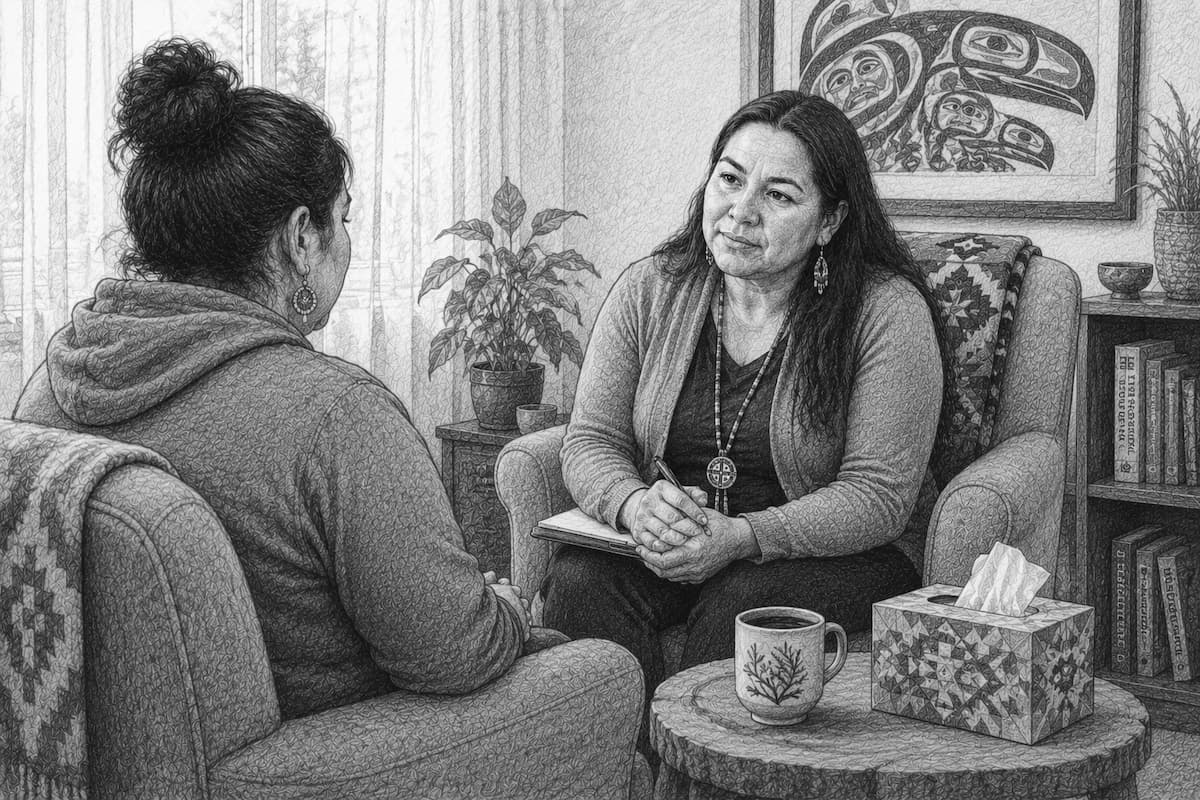
Recovery isn't a straight path, but support shouldn't be hard to find. If you're a registered First Nations or Inuit individual facing struggles with alcohol, drugs, or behavioural addictions, NIHB Counselling can help.
You'll have access to up to 22 hours of mental health counselling each year, plus proven therapies tailored to your needs. But knowing how to qualify—and how to start—makes all the difference.
Key Takeaways
- NIHB covers substance use counselling for alcohol, drug, and behavioural addictions using evidence-based approaches like CBT and motivational interviewing.
- Eligibility requires being a registered First Nations or recognized Inuit individual enrolled as an NIHB client with a valid identification number.
- Coverage provides up to 22 hours of mental health counselling per calendar year, with no deductible or co-pay.
- Prior approval is generally required before counselling begins, except in crisis situations, and treatment plan documentation supports funding.
- Contact an NIHB-approved clinic or counsellor and verify eligibility using your name, date of birth, and client number.
How NIHB Counselling Supports Substance Use Recovery
When you're working toward recovery from substance use, the Non-Insured Health Benefits (NIHB) program can be a meaningful part of your support system, covering counselling services that address alcohol, drug, and behavioural addictions.
Through the Mental Health Counselling Benefit, you can access assessment, treatment planning, and ongoing sessions grounded in evidence-based approaches like cognitive behavioural therapy, motivational interviewing, and relapse-prevention counselling.
You're not limited to one format either—individual, family, and group sessions let you work through substance use patterns, interpersonal conflict, and personal recovery goals.
Care typically comes in short-term, goal-focused blocks, often measured in hours per benefit period, with extensions available when your clinical needs require them. These counselling services can complement structured programs like dual diagnosis treatment that address concurrent addiction and mental health disorders.
Regulated professionals, including psychologists, clinical counsellors, and social workers registered with NIHB, deliver these services.
Which Therapies NIHB Funds for Substance Use
Now that you understand how many hours NIHB provides, you're probably wondering which types of therapy those hours can actually cover.
The good news is that NIHB doesn't limit you to a fixed list of named modalities.
Instead, coverage ties to your provider's credentials and what's clinically appropriate for your situation. You can access any recognized, evidence-based approach within a regulated provider's scope, including cognitive behavioural therapy (CBT), motivational interviewing, family therapy, and group therapy.
CBT remains a core treatment for substance use, teaching you to manage cravings, identify triggers, and rehearse refusal skills. Specialized variants, like trauma-focused CBT for concurrent PTSD, are available when trauma drives your presentation.
As long as your treatment plan documents the chosen modality, NIHB can generally fund it.
Who Qualifies for NIHB Counselling Coverage?
Because NIHB coverage is tied directly to your status under federal eligibility rules, qualifying for substance use counselling begins with confirming who you're within the program.
You qualify if you're a First Nations individual registered under the Indian Act or an Inuit recognized by an Inuit land claim organization. You'll also need to be enrolled as an NIHB client with a valid client identification number or band number before coverage gets approved.
For eligible clients, therapy costs are covered at 100%.
Children under two years of age qualify when their parent or guardian is an eligible client, and dependants linked to your file can be covered once Indigenous Services Canada verifies their eligibility.
Since these benefits apply only to eligible First Nations and Inuit clients in Canada, your sessions must be delivered by providers practicing here.
How Many Counselling Hours Does NIHB Cover?
Once you've confirmed your eligibility and enrolled as an NIHB client, the next practical question is usually how much counselling support the program actually provides.
NIHB covers up to 22 hours of mental health counselling per calendar year, including sessions focused on substance use concerns. Coverage is measured in hourly units rather than by number of visits, so your hours can stretch across sessions of varying length.
You won't face a deductible or co-pay for approved hours, since eligible costs are paid directly to your enrolled provider. Keep in mind that prior approval is generally required before counselling begins, except in crisis or short-term urgent situations.
This 22-hour standard reflects the program's focus on short-term, time-limited, and crisis-oriented interventions. If your needs extend beyond counselling alone, more intensive options exist, such as intensive outpatient programs that typically run 6-12 weeks without requiring a facility stay.
How to Start and Direct-Bill NIHB Counselling
Knowing which therapies NIHB covers is one thing; getting connected to a provider and making sure your sessions are paid for is another.
To start, contact an NIHB-approved or NIHB-registered clinic or counsellor by phone or email, and say you'll be using your NIHB mental health counselling coverage. You'll verify your eligibility by providing your full name, date of birth, and either your status card number, NIHB client number, or Inuit beneficiary number.
Reach out to an NIHB-registered counsellor, mention your coverage, and verify eligibility with your name, birth date, and client number.
In many regions, including Nunavik, you won't need a medical referral—you can arrange appointments directly.
For direct billing to work, your provider must be enrolled with NIHB and the claims administrator, Express Scripts Canada. That registration lets them bill NIHB directly, so you won't pay out of pocket upfront. Keep in mind that NIHB is the payer of last resort, so any other benefits you have must be exhausted first.
Conclusion
Think of recovery as crossing a river: the current's strong, but you don't have to swim alone. NIHB counselling hands you the stepping stones—up to 22 hours of evidence-based support, flexible session formats, and direct-billed access—so you can move forward without fear of falling.
You choose the pace and the path. When you're ready, reach out, build your plan, and let each session carry you steadily toward firmer ground.
This article is intended for educational and informational purposes only and should not be considered medical, legal, or financial advice. NIHB policies, provider eligibility, and coverage procedures may change over time and can vary depending on individual circumstances. For the most current information, contact Indigenous Services Canada, Express Scripts Canada, or a qualified healthcare provider familiar with NIHB mental health counselling services. If you are experiencing a mental health crisis or require urgent support, contact emergency services, 9-8-8, or Hope for Wellness immediately.