NIHB Counselling for Family Conflict

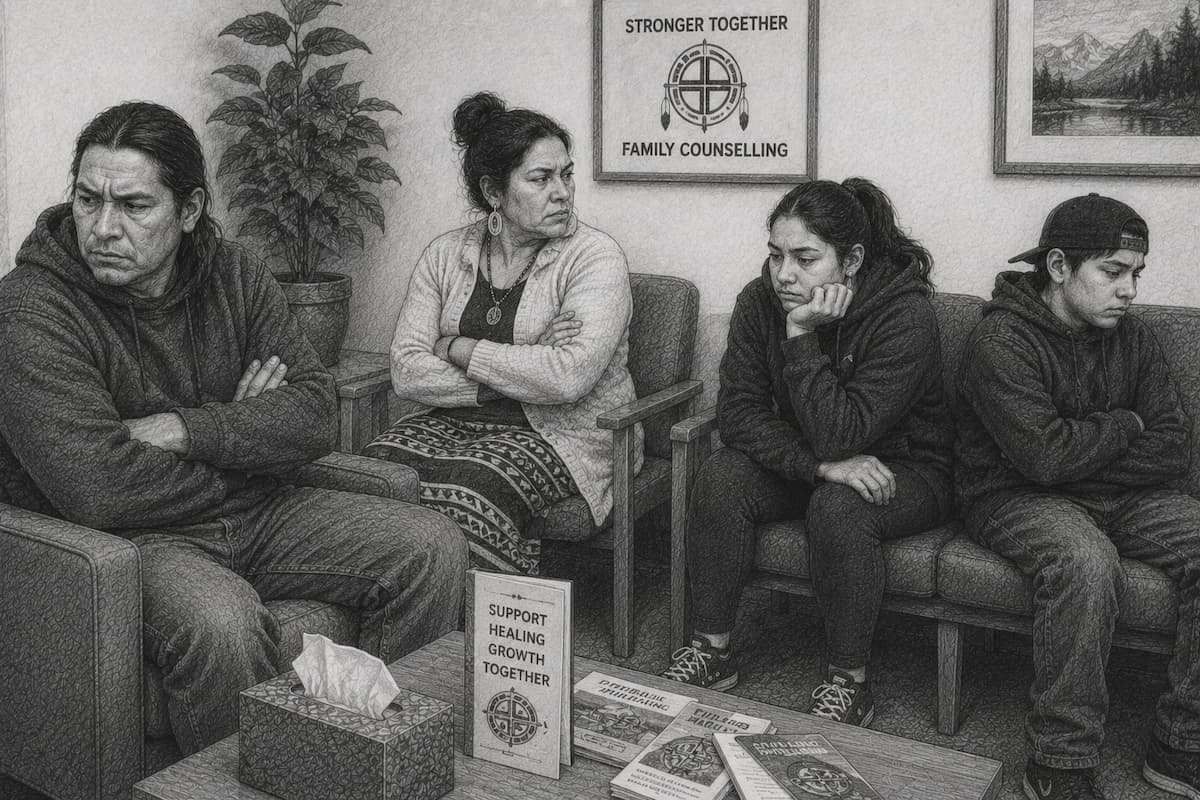
Family conflict can wear down even the strongest relationships. When tension rises and communication breaks down, you don't have to manage it alone. The Non-Insured Health Benefits (NIHB) program offers counselling support designed to help First Nations and recognized Inuk families work through difficult moments.
But how do you actually access these benefits, and what should you expect along the way? Let's break it down.
Key Takeaways
- NIHB covers family conflict counselling as a core mental health benefit, addressing emotional, psychological, and relationship difficulties within families.
- Eligibility requires registration as a First Nations person or recognized Inuk, residency in Canada, and provincial/territorial health insurance enrollment.
- Eligible clients receive up to 22 hours of counselling annually, with the first 2 hours requiring no prior approval.
- Services must be provided by licensed, independently practicing professionals found through official NIHB Enrolled Mental Health Provider Lists by region.
- The first session involves paperwork, intake review, meeting the whole family, and assessing communication patterns and safety concerns.
Does NIHB Cover Family Conflict Counselling?
Yes, NIHB does cover family conflict counselling, and it treats this support as a core part of its mental health benefit rather than an exception you have to fight for.
Family counselling sits alongside individual, couples, and group formats as an important component of the same benefit, so you're not asking for something unusual when you seek it.
NIHB explicitly lists family conflict and parenting support among the mental health concerns it covers, which means these challenges qualify on their own terms.
The services target emotional, psychological, and relationship difficulties that affect family well-being, including the everyday dynamics that strain households. Family counselling also helps address intergenerational trauma that can shape these household dynamics.
When you pursue family conflict counselling, you draw from the same mental health benefit used for other counselling types, giving you consistent, reliable access.
Who Qualifies for NIHB Mental Health Benefits?
Who qualifies for NIHB mental health benefits comes down to a handful of clear criteria, and understanding them helps you know where you stand before you ever book an appointment. You're eligible if you're a registered First Nations person under the Indian Act or an Inuk recognized by an Inuit land claim organization.
You'll generally need to reside in Canada and be enrolled in your province or territory's health insurance plan. Youth qualify under the same criteria as adults, while infants under roughly 18–24 months are covered through an eligible parent or guardian. If you're temporarily abroad for study, work, or medical treatment, you may keep your coverage.
Once eligible, you can access up to 22 hours of professional counselling per calendar year. Maintaining your registration and provincial health coverage matters, since both directly affect your continued access.
How Many NIHB Counselling Hours You Get
How many counselling hours can you actually access through NIHB? Each calendar year, you're eligible for up to 22 hours of mental health counselling, calculated per eligible client rather than per household.
Since policy defines the benefit in hours, not sessions, and typical appointments run 50–60 minutes, those 22 hours usually translate into about 20–22 sessions.
Because the benefit is measured in hours, not sessions, your 22 hours typically stretch into roughly 20–22 appointments.
You can use this time for individual, family, or group counselling, and both in-person and virtual sessions count toward the total. The first 2 hours of counselling require no prior approval before you begin.
Only licensed, independently practicing professionals registered with a regulatory body can draw from your hours, billed up to regional fee grid maximums.
If you have high or complex needs, additional hours may be approved on a case-by-case basis, adding to your standard allocation rather than replacing it.
Finding an NIHB-Approved Family Counsellor
Once you know how many hours you have, the next step is finding a counsellor who can actually use them, and that means working with a provider formally enrolled in the NIHB mental health counselling benefit.
The easiest place to start is the official NIHB Enrolled Mental Health Provider Lists, published by Indigenous Services Canada and regional partners by province or region. Alternatively, the DiveThru team can match you with a therapist experienced in NIHB support, handling the pre-approval process so therapy stays at no cost to eligible clients.
In Saskatchewan, the NITHA list flags social workers and counsellors with a "Family Counselling" service code, while Manitoba's Southern Chiefs' Organization list shows psychologists and clinicians with phone numbers and locations.
Watch the columns indicating whether someone offers couples or family work. Always check the "date run" field and use the most recent version, so you don't contact providers who've relocated or closed.
What to Expect in Your First Sessions
When you walk into your first NIHB-funded family counselling session, expect to spend the opening minutes on paperwork before any real conversation begins. You'll complete demographic forms, consent documents, and a basic health history, then review your intake information with the counsellor to clarify the main conflict and your needs.
They'll explain that NIHB covers up to 22 hours of counselling per year, with more possible case-by-case, and walk you through session logistics like the typical 45–55 minute length and cancellation procedures.
Early on, the counsellor often meets with the whole family, inviting each member to share their perspective while managing turn-taking. They'll gather background on your family's history, observe communication patterns, and check for any immediate safety or risk concerns.
fsleeThroughout this process, the counsellor works to create a safe space for open discussion without judgment.
Conclusion
When family life feels like rough waters, you don't have to navigate them alone. NIHB counselling offers a steady hand, giving you up to 22 hours each year to work through emotional knots and quietly mend the threads connecting your loved ones.
You'll find qualified professionals ready to walk alongside you, helping turn difficult conversations into stepping stones. Reach out, explore your options, and let this benefit open the door toward calmer days ahead.
This article is intended for educational and informational purposes only and should not be considered medical, legal, or financial advice. NIHB policies, provider eligibility, and coverage procedures may change over time and can vary depending on individual circumstances. For the most current information, contact Indigenous Services Canada, Express Scripts Canada, or a qualified healthcare provider familiar with NIHB mental health counselling services. If you are experiencing a mental health crisis or require urgent support, contact emergency services, 9-8-8, or Hope for Wellness immediately.