NIHB Counselling for Childhood Trauma

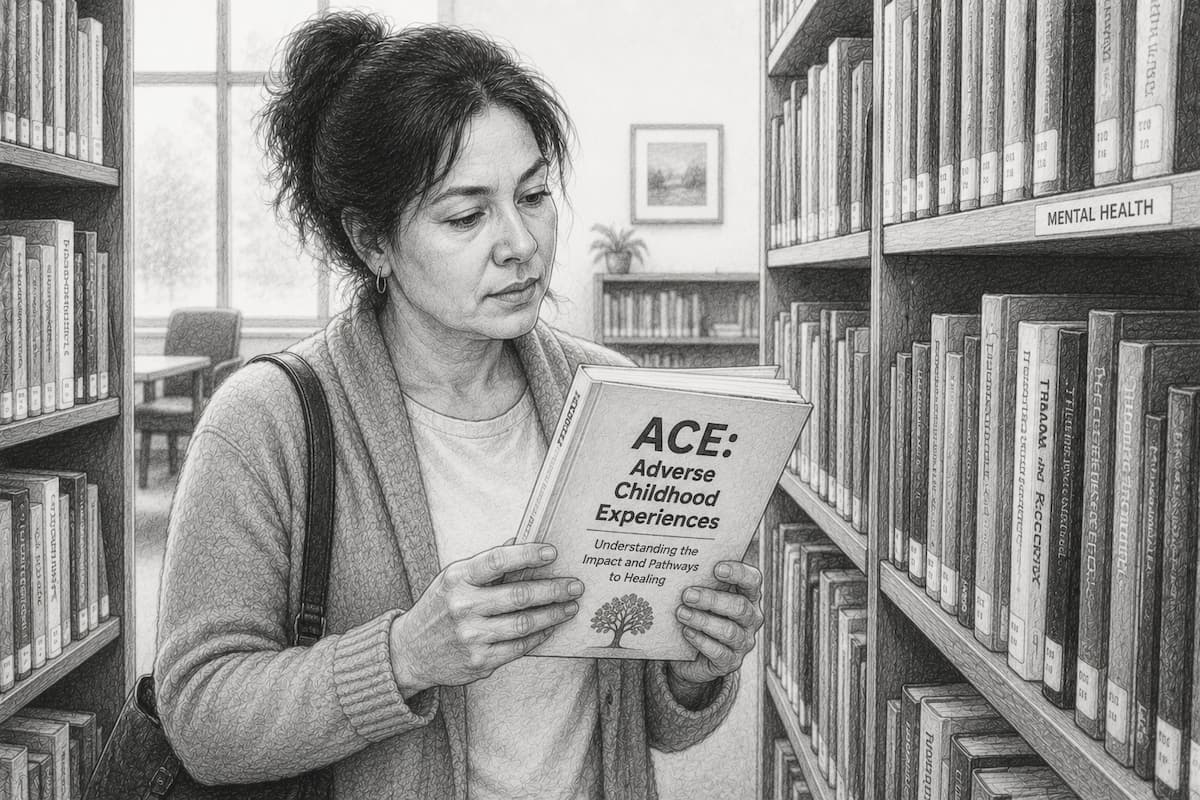
When a child carries pain too heavy for small shoulders, the right support can change everything. NIHB Counselling for Childhood Trauma helps Indigenous children build coping skills, regulate emotions, and ease trauma symptoms through culturally responsive care.
You don't have to navigate this alone, and the help available might surprise you. But before you can access it, there are a few things you'll need to understand first.
Key Takeaways
- NIHB Counselling supports Indigenous children experiencing trauma from acute events, ongoing adversity, residential schools, and intergenerational impacts.
- Eligibility is based on Indigenous status, covering registered First Nations individuals, recognized Inuit children, and infants under an NIHB-eligible parent.
- Covered therapies include TF-CBT, EMDR, exposure-based approaches, and play or art therapies matched to a child's age and symptoms.
- Childhood trauma signs include persistent fear, separation anxiety, school refusal, sleep disturbances, developmental regression, and trauma-themed play.
- Find NIHB-registered therapists through directories like Psychology Today or ISTSS, then confirm NIHB enrollment directly with the clinician.
What NIHB Counselling Covers for Childhood Trauma
When a child carries the weight of trauma, finding the right support can feel overwhelming, which is why the Non-Insured Health Benefits (NIHB) mental health counselling benefit exists to fill critical gaps in care.
Healing begins with the right support, and the NIHB benefit ensures no child carries trauma's weight alone.
This coverage steps in when services aren't available through provincial, territorial, private, or other publicly funded plans. It addresses trauma tied to acute events, ongoing adversity, or complex emotional challenges, including residential school experiences and intergenerational trauma within Indigenous families.
You'll find that counselling goals often focus on building coping skills, improving emotional regulation, and reducing trauma-related symptoms. These services are delivered by eligible, regulated professionals who provide trauma-informed and culturally responsive care.
The benefit also supports grief, loss, and family conflict that intersect with childhood trauma, helping your child move toward healing, resilience, and improved wellbeing across every developmental stage they reach.
Signs of Childhood Trauma That Warrant Counselling
Recognizing the signs of childhood trauma can be challenging, especially because they often masquerade as ordinary behaviour problems, developmental phases, or attention disorders.
You might notice persistent fear, prolonged sadness lasting longer than two weeks, or intense shame and self-blame tied to frightening experiences.
Watch for new separation anxiety, school refusal, social withdrawal, or repetitive trauma-themed play and drawings.
Cognitive shifts also matter: difficulty concentrating that mimics ADHD, sudden academic decline, intrusive flashbacks, or rigid beliefs like "I'm unlovable" or "nowhere's safe."
Don't overlook developmental regression—bedwetting, baby talk, or thumb-sucking returning suddenly—alongside sleep disturbances, nightmares, and somatic complaints. Keep in mind that some children show delayed reactions, with symptoms surfacing weeks or even months after the traumatic event.
When these patterns appear together, persist, and interfere with daily life, they signal that your child needs professional counselling rather than discipline alone.
Who Qualifies for NIHB Counselling and How to Start
Wondering whether your child qualifies for NIHB mental health counselling? Eligibility depends on Indigenous status, not age, income, or diagnosis.
Your child qualifies if they're a registered First Nations individual under the Indian Act or an Inuit child recognized through an Inuit Land Claim Organization, and they reside in Canada. Even infants under age 2 may be covered through an NIHB-eligible parent while registration is being finalized.
Keep in mind that NIHB acts as the payer of last resort, covering services not available through provincial, territorial, or private plans.
To start, contact an NIHB-enrolled provider or clinic and indicate you'll use NIHB coverage. Staff will request your child's name, date of birth, and status or Inuit beneficiary number to verify eligibility. Once submitted, eligibility verification typically takes 1 to 2 business days.
Finding an NIHB-Registered Trauma Therapist
How do you find a therapist who's both qualified to treat childhood trauma and enrolled with NIHB for direct billing?
Start with major directories like Psychology Today, which let you filter by insurance accepted, fees, location, specialty, and therapy model.
Begin with major directories like Psychology Today, filtering by insurance, fees, location, specialty, and therapy model.
For trauma-specific searches, try the ISTSS Trauma Specialist Directory, the Trauma Therapist Network, or the TF-CBT certified therapist list, which sort by trauma focus, population served, and geography.
Directories such as Clinicians of Color and Inclusive Therapists highlight culturally responsive, social-justice-oriented practitioners. These directories often center on the needs of BIPOC and 2SLGBTQIA+ individuals.
Combine filters for trauma focus, children or adolescents, online or in-person format, and profile keywords like Indigenous, First Nations, Inuit, or NIHB.
Then confirm directly that the clinician's enrolled with NIHB, since directory listings don't always reflect current participation.
Trauma Therapies Your NIHB Provider Can Deliver
Once you've found an NIHB-registered therapist, you'll want to understand which trauma treatments they can actually provide, since the right approach depends on your child's age, symptoms, and comfort level.
Many providers offer Trauma-Focused Cognitive Behavioral Therapy (TF-CBT), which combines psychoeducation, coping and relaxation skills, cognitive restructuring, and a trauma narrative across roughly 12 to 15 weekly sessions, with caregivers involved.
Others deliver EMDR, an eight-phase approach that uses bilateral eye movements to reprocess distressing memories, or exposure-based therapies that gradually confront trauma reminders while building regulation skills.
For younger children who struggle to verbalize their experiences, play and art therapies use toys, drawing, and storytelling to externalize emotions safely. Choosing age-appropriate methods is essential for effective treatment, since techniques that work for teenagers may not suit a young child.
Discuss these options so you can match treatment to your child's needs.
What 22 Hours of NIHB Coverage Looks Like
Each eligible client receives up to 22 hours of professional mental health counselling per calendar year, and understanding how those hours break down helps you plan your child's care wisely.
Typically, the structure allows up to 2 hours for an initial assessment and up to 20 additional hours of counselling within the same year. The first 2 hours of counselling require no prior approval.
Because the benefit runs January to December and isn't tied to a specific issue or diagnosis, every NIHB-funded session draws from that same 22-hour pool. Unused hours don't roll over into the next year, so timing matters.
This benefit is designed as short-term counselling that complements community and provincial services, not long-term therapy.
If your child needs more, additional hours may be approved on an exception basis when clinical need is documented.
Conclusion
You don't have to carry this weight alone, and your child doesn't either. NIHB Counselling for Childhood Trauma gives you a concrete starting point: 22 covered hours, regulated professionals, and culturally responsive care tailored to your child's needs.
When you reach out, you're taking the bull by the horns and giving your child real tools for healing. Recognize the signs, confirm eligibility, find a registered therapist, and begin the journey toward lasting resilience today.
This article is intended for educational and informational purposes only and should not be considered medical, legal, or financial advice. NIHB policies, provider eligibility, and coverage procedures may change over time and can vary depending on individual circumstances. For the most current information, contact Indigenous Services Canada, Express Scripts Canada, or a qualified healthcare provider familiar with NIHB mental health counselling services. If you are experiencing a mental health crisis or require urgent support, contact emergency services, 9-8-8, or Hope for Wellness immediately.