NIHB Counselling for Complex Trauma

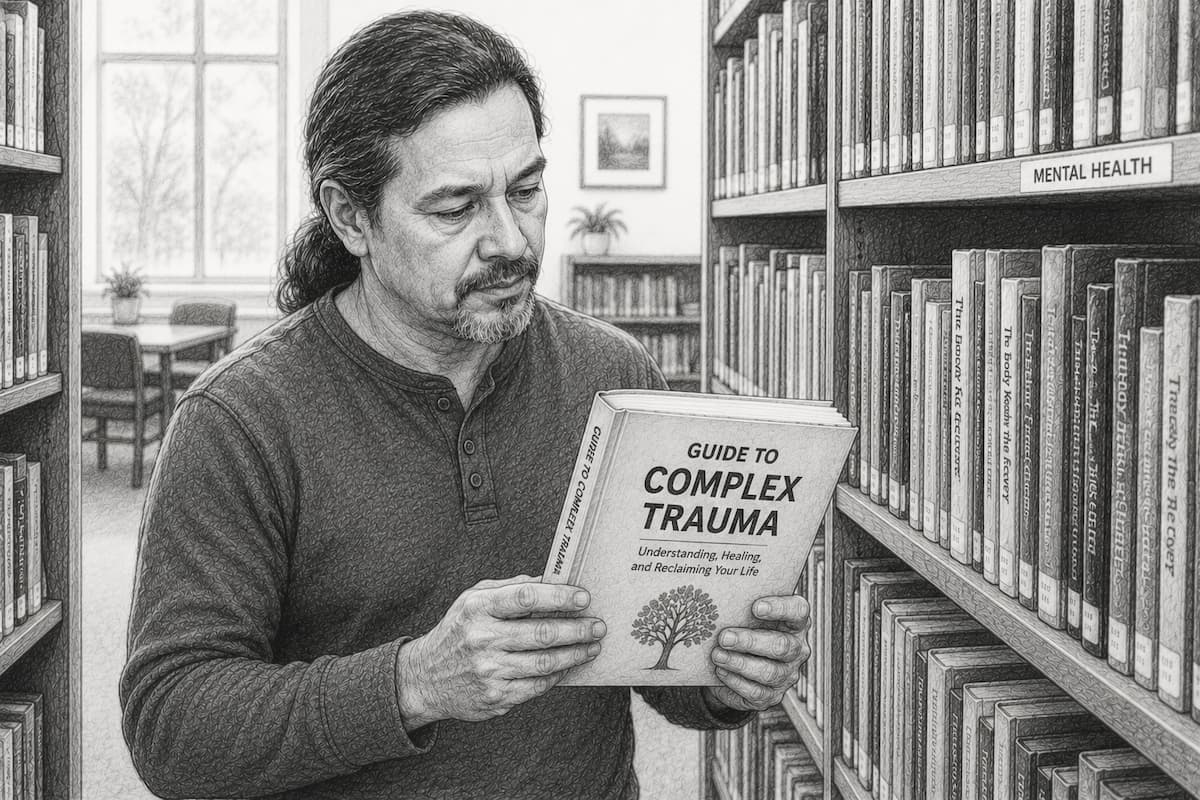
If you're carrying the weight of past harm, steering through ongoing anxiety, or searching for a way forward, the NIHB program might offer more support than you expect.
It covers up to 22 hours of trauma-focused therapy each year, including approaches built for complex, long-term wounds. But not everyone qualifies, and not every type of counselling fits. So what's actually covered, and who can access it?
Key Takeaways
- NIHB covers 100% of professional counselling for complex trauma, including trauma, grief, depression, anxiety, and post-traumatic stress.
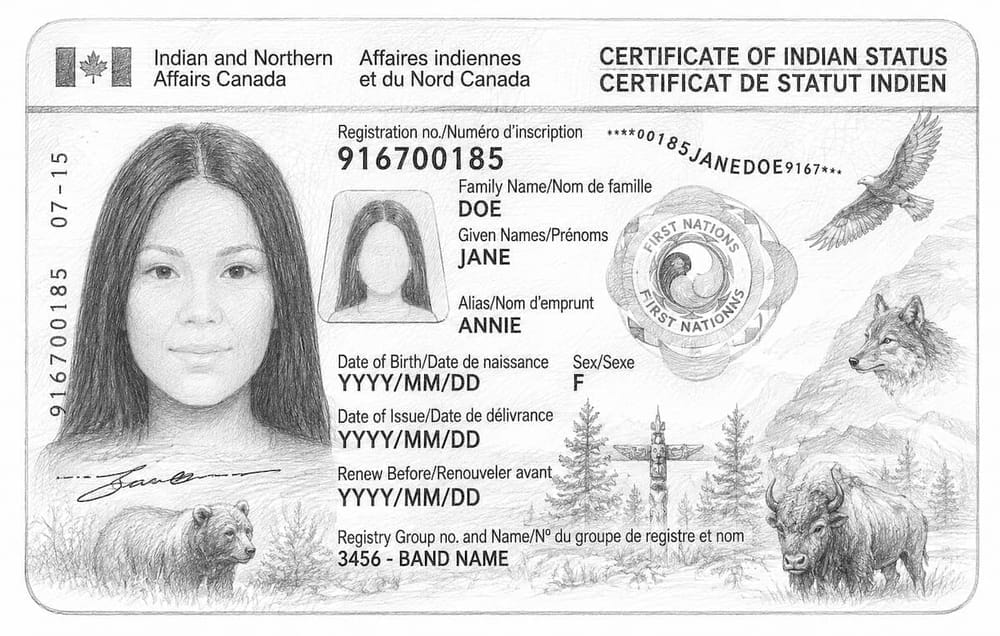
- Eligible individuals include registered First Nations and recognized Inuit beneficiaries who provide proof such as a status card.
- Coverage includes up to 22 hours of counselling per calendar year, with individual, group, couples, or family formats available.
- Funded therapies include EMDR, CBT, trauma-focused CBT, and DBT-informed work, delivered through culturally informed approaches.
- Find providers via regulatory college registries and NIHB lists, confirming cultural safety, NIHB acceptance, and complex trauma experience.
What Does NIHB Cover for Complex Trauma?
Coverage matters when you're traversing the long road of healing from complex trauma, and the Non-Insured Health Benefits (NIHB) program provides meaningful support through its mental health benefits.
NIHB covers professional counselling and psychotherapy as a core benefit, addressing trauma, grief, depression, anxiety, post-traumatic stress, and intergenerational trauma—symptoms that often accompany complex trauma.
NIHB acts as the payer of last resort, covering 100% of eligible costs.
Healing from complex trauma is layered, and NIHB's counselling coverage meets you at each layer—trauma, grief, anxiety, and beyond.
You can access individual, group, couples, or family sessions, letting you work on personal symptoms and relational impacts alike.
Specialized approaches like EMDR (Eye Movement Desensitization and Reprocessing) are covered when delivered by NIHB-approved providers.
This coverage is designed to complement other mental wellness services, supporting you across multiple layers of healing.
Who Qualifies for NIHB Counselling?
Knowing what NIHB covers is one thing, but figuring out whether you can actually access those benefits is another.
To qualify, you must be a resident of Canada and fall into one of the eligible groups Indigenous Services Canada specifies. That includes registered (Status) First Nations individuals with a valid registration number, and recognized Inuit beneficiaries under a land claim organization like Nunavut, Nunavik, Nunatsiavut, or the Inuvialuit Settlement Region.
You'll typically need to show proof, such as your status card or Inuit identification number. Once your eligibility is confirmed, NIHB covers up to 22 hours of mental health counselling each calendar year. In some cases, unregistered children up to age 2 qualify when at least one parent is NIHB-eligible.
Keep in mind, NIHB only applies when these benefits aren't available through a provincial, territorial, or private plan.
Why Complex Trauma Needs a Different Approach
Because complex trauma stems from chronic, repeated, and interpersonal harm rather than a single frightening event, it doesn't respond well to the short-term, exposure-based models often designed for standard PTSD. Your symptoms likely extend beyond fear into emotional dysregulation, deep shame, unstable identity, and difficulty trusting others, especially when the harm came from a caregiver you depended on.
That betrayal disrupts attachment, so safety and relationship repair become central to your healing rather than optional extras. This is why effective treatment often follows a phase-oriented structure that moves through stabilization, processing the trauma, and reintegration.
When trust is broken by those we depend on, rebuilding safety and connection becomes the heart of healing.
You may also experience somatic and dissociative symptoms—chronic pain, sleep problems, or "zoning out"—that require mind-body-integrated care. Because adaptations like hypervigilance and withdrawal once kept you safe, your counsellor frames them as survival strategies, not flaws.
This relationship-centred, holistic approach gives you agency, connection, and lasting recovery.
Therapies That Actually Work Under NIHB
When you're living with complex trauma, you need therapies that address the full scope of your symptoms—not just the fear, but the emotional dysregulation, shame, and broken trust that come with chronic harm.
NIHB's mental health counselling benefit funds EMDR, which research links to significant PTSD reductions, alongside CBT and trauma-focused CBT for tackling depression and functional impairment.
You can also access DBT-informed work that builds emotion regulation, distress tolerance, and interpersonal skills—essential for managing self-harm and severe dysregulation. These services are culturally informed, respecting Indigenous traditions and culture throughout your healing journey.
With roughly 22 counselling hours yearly, plus case-by-case extensions, you can structure weekly sessions or intensive blocks.
Individual, group, couples, and family formats are all covered, and virtual options make these therapies accessible even if you're in a remote or fly-in community.
How to Find Culturally Safe NIHB Counselling
How do you find a counsellor who understands both your clinical needs and your cultural reality? Start with regulatory college registries and NIHB provider lists, since coverage requires providers in good standing with a legislated regulatory body.
From there, read provider websites and profiles, looking for explicit mention of work with Indigenous communities, intergenerational trauma, and cultural safety or anti-racist practice. Reviewing these profiles helps confirm a therapist's cultural competency and tailored treatment approaches.
Culturally competent therapist directories, professional networks, and telehealth can widen your options across the right province or territory. Indigenous-specific mental health services and clinics that publicly accept NIHB often integrate cultural knowledge and connect you to trusted referrals.
During your first contact, confirm NIHB acceptance, direct billing, regulatory registration, and complex trauma experience, so you can filter providers before evaluating cultural safety deeply.
Conclusion
Healing from complex trauma isn't a sprint—it's a marathon, and you don't have to run it alone. NIHB counselling gives you up to 22 hours of culturally relevant support each year, covering individual, group, and family sessions alongside proven approaches like EMDR.
If you're eligible, you've got a real opportunity to rebuild safety, restore relationships, and move forward at your own pace. Reach out, ask questions, and take that first meaningful step today.
This article is intended for educational and informational purposes only and should not be considered medical, legal, or financial advice. NIHB policies, provider eligibility, and coverage procedures may change over time and can vary depending on individual circumstances. For the most current information, contact Indigenous Services Canada, Express Scripts Canada, or a qualified healthcare provider familiar with NIHB mental health counselling services. If you are experiencing a mental health crisis or require urgent support, contact emergency services, 9-8-8, or Hope for Wellness immediately.