How Often Can I Access NIHB Counselling?

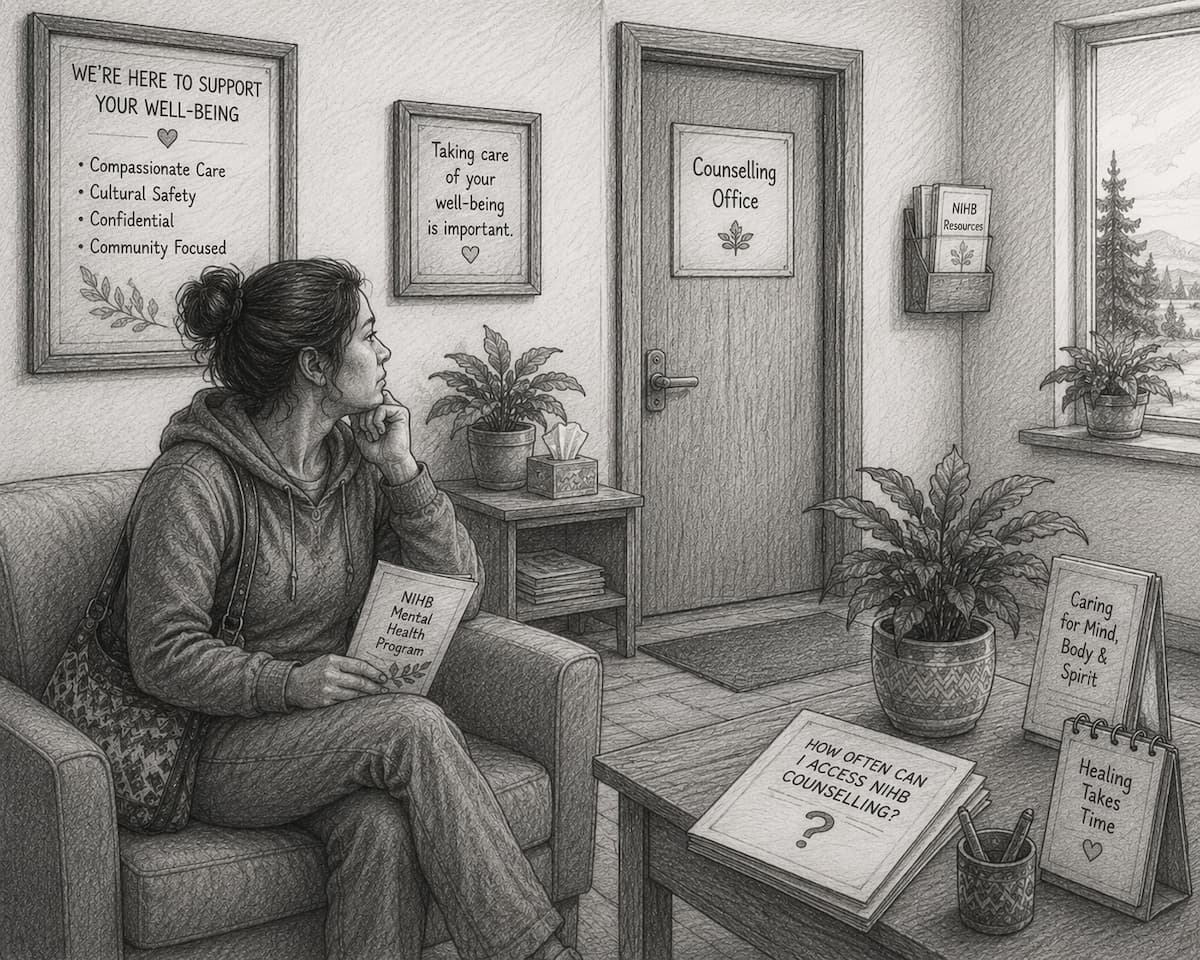
One of the most common questions people ask after being approved for NIHB counselling is how often they can actually attend therapy.
The good news is that NIHB doesn't require counselling to follow a fixed schedule. Instead, the frequency of your appointments is determined by your individual needs and the treatment plan developed with your therapist.
For many people, counselling begins weekly and gradually becomes less frequent as they make progress.
There Is No Set Weekly Limit for NIHB Counselling
NIHB approves a specific number of counselling hours rather than requiring appointments to occur on a particular schedule.
This means your therapist can recommend sessions based on your clinical needs. Depending on your situation, appointments may be:
- Weekly
- Every two weeks (bi-weekly)
- Monthly
- More than once in a week if clinically appropriate
The recommended frequency is based on your symptoms, treatment goals, and your therapist's clinical judgment.
Weekly Counselling Is Common Early in Therapy
For many clients, weekly counselling is helpful during the beginning of treatment.
Meeting regularly allows you and your therapist to:
- Build a strong therapeutic relationship
- Develop treatment goals
- Learn new coping strategies
- Address immediate concerns
- Monitor progress closely
For individuals experiencing significant stress, anxiety, depression, grief, or trauma, weekly sessions often provide the consistency needed to build momentum during the first several weeks of therapy.
Many Clients Transition to Bi-Weekly Sessions
As therapy progresses and symptoms begin to improve, many clients naturally transition to appointments every two weeks.
Bi-weekly counselling still provides regular support while giving you time to practise new skills, reflect on previous sessions, and apply what you've learned in everyday life.
From a practical standpoint, many therapists find this schedule works well for clients receiving NIHB counselling. Since the standard annual benefit provides up to 22 hours of counselling each calendar year, attending every two weeks often allows clients to receive support for much of the year without exhausting their available sessions too quickly.
If additional counselling is needed later in the year, requesting a smaller number of extra sessions may be appropriate based on your clinical needs.
What If I'm in Crisis?
Some situations require more intensive support.
If you're experiencing a significant mental health crisis or major life event, your therapist may recommend meeting more frequently for a period of time.
NIHB allows providers to request counselling based on clinical need, and appointment frequency should always reflect what is most appropriate for your situation.
Your therapist will discuss any recommendations with you and develop a treatment plan that supports your recovery.
Your Counselling Schedule Can Change
Therapy isn't meant to follow the same schedule forever.
It's common for appointment frequency to change throughout treatment.
For example:
- Weekly sessions during the first month or two.
- Bi-weekly sessions as progress occurs.
- Monthly follow-up appointments near the end of treatment.
Your therapist will regularly review your progress and recommend adjustments when appropriate.
Making the Most of Your NIHB Sessions
Every counselling session is valuable, so it's worth discussing appointment frequency with your therapist.
Together, you can consider:
- Your current symptoms
- Your treatment goals
- How you're responding to therapy
- Whether more or less frequent appointments would be beneficial
The goal isn't simply to use all of your available sessions, but to schedule them in a way that provides the greatest benefit over the course of your treatment.
Final Thoughts
NIHB doesn't require counselling to occur on a fixed weekly schedule. Instead, the timing of your appointments is based on your individual needs and your therapist's clinical recommendations.
While weekly sessions are common at the beginning of treatment, many people later transition to bi-weekly appointments as they begin making progress. Your therapist will work with you to develop a schedule that supports your goals while making the best use of your available NIHB counselling sessions.
This article is intended for educational and informational purposes only and should not be considered medical, legal, or financial advice. NIHB policies, provider eligibility, and coverage procedures may change over time and can vary depending on individual circumstances. For the most current information, contact Indigenous Services Canada, Express Scripts Canada, or a qualified healthcare provider familiar with NIHB mental health counselling services. If you are experiencing a mental health crisis or require urgent support, contact emergency services, 9-8-8, or Hope for Wellness immediately.