Does NIHB Cover Counselling & Psychotherapy?
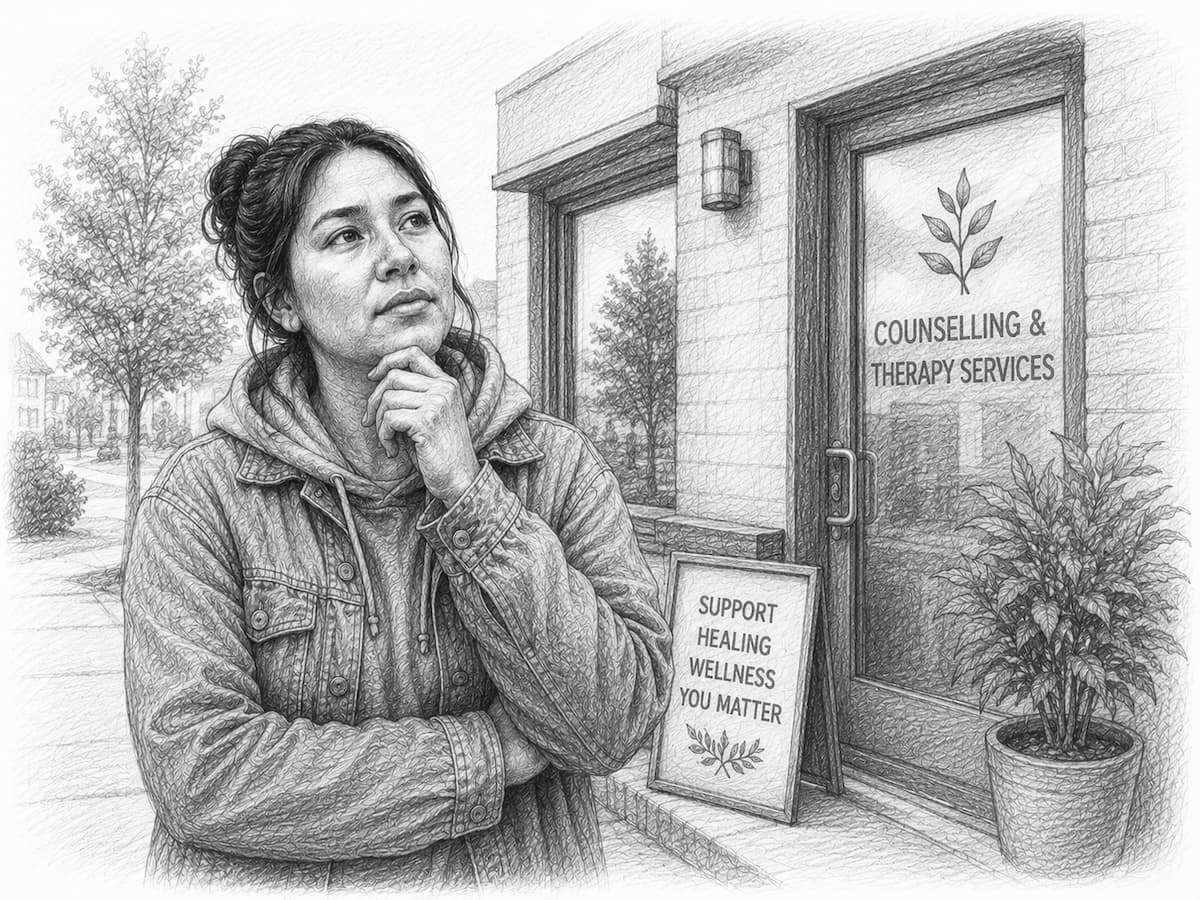
If you're a First Nations or Inuit client wondering whether the NIHB program covers mental health support, the short answer is yes. NIHB covers counselling and psychotherapy, including individual, group, couples, and family sessions.
You can access up to 22 hours of therapy each year, with more available when clinical need arises. But coverage comes with specific eligibility rules and steps you'll want to understand before booking your first appointment.
Key Takeaways
- Yes, NIHB covers counselling and psychotherapy for eligible First Nations and Inuit clients in individual, group, couples, and family formats.
- Services address trauma, grief, depression, anxiety, and relationship difficulties, with up to 22 hours of therapy per year.
- Additional hours beyond 22 require an exception request from your provider, demonstrating clinical need for continued treatment.
- NIHB covers 100% of eligible costs without deductibles, acting as the payer of last resort after other plans.
- Exclusions include life coaching, psychoeducational assessments, non-medically necessary services, and counselling provided outside Canada.
Does NIHB Cover Counselling and Psychotherapy?
Yes, the Non-Insured Health Benefits (NIHB) program does cover counselling and psychotherapy as a core mental health benefit for eligible First Nations and Inuit clients.
If you're enrolled, you can access professional mental health counselling delivered in individual or group formats, and many providers also bill NIHB for couples and family sessions. These services address a wide range of concerns, including trauma, grief, depression, anxiety, stress regulation, and relationship difficulties.
Psychotherapy delivered as mental health counselling is covered when both the benefit and provider criteria are met, so the type of professional you see matters.
Importantly, NIHB-funded counselling is designed to complement other community or clinical mental wellness services, not replace them—meaning you can build a fuller support system around your care.
Whether you need short-term help or longer-term support, you'll find that NIHB recognizes mental health as an essential part of overall well-being for eligible clients. NIHB provides up to 22 hours of therapy per year, with the potential for more upon request.
Which Counselling Services Does NIHB Cover?
If you're looking for support with your mental health, NIHB covers professional counselling and psychotherapy as a distinct benefit for eligible First Nations and Inuit clients.
This coverage complements other mental wellness services in your community, including cultural and emotional supports, and it applies to a wide range of concerns—essentially, any reason you have for seeking therapy is considered eligible.
It's important to understand that this benefit is non-emergency. If you're in crisis or experiencing suicidal distress, separate crisis lines are funded for urgent help.
The counselling NIHB covers is clinical in nature, meaning psychotherapy or clinical counselling rather than informal support or peer counselling. Services are funded according to NIHB fee guides, so your costs are eligible when both the services and the providers meet program criteria.
You can use your coverage for individual or group sessions, giving you flexibility to find the support that fits your needs. These services focus on culturally sensitive care, ensuring your mental health and well-being are supported in a respectful way.
How Many Counselling Hours Does NIHB Allow?
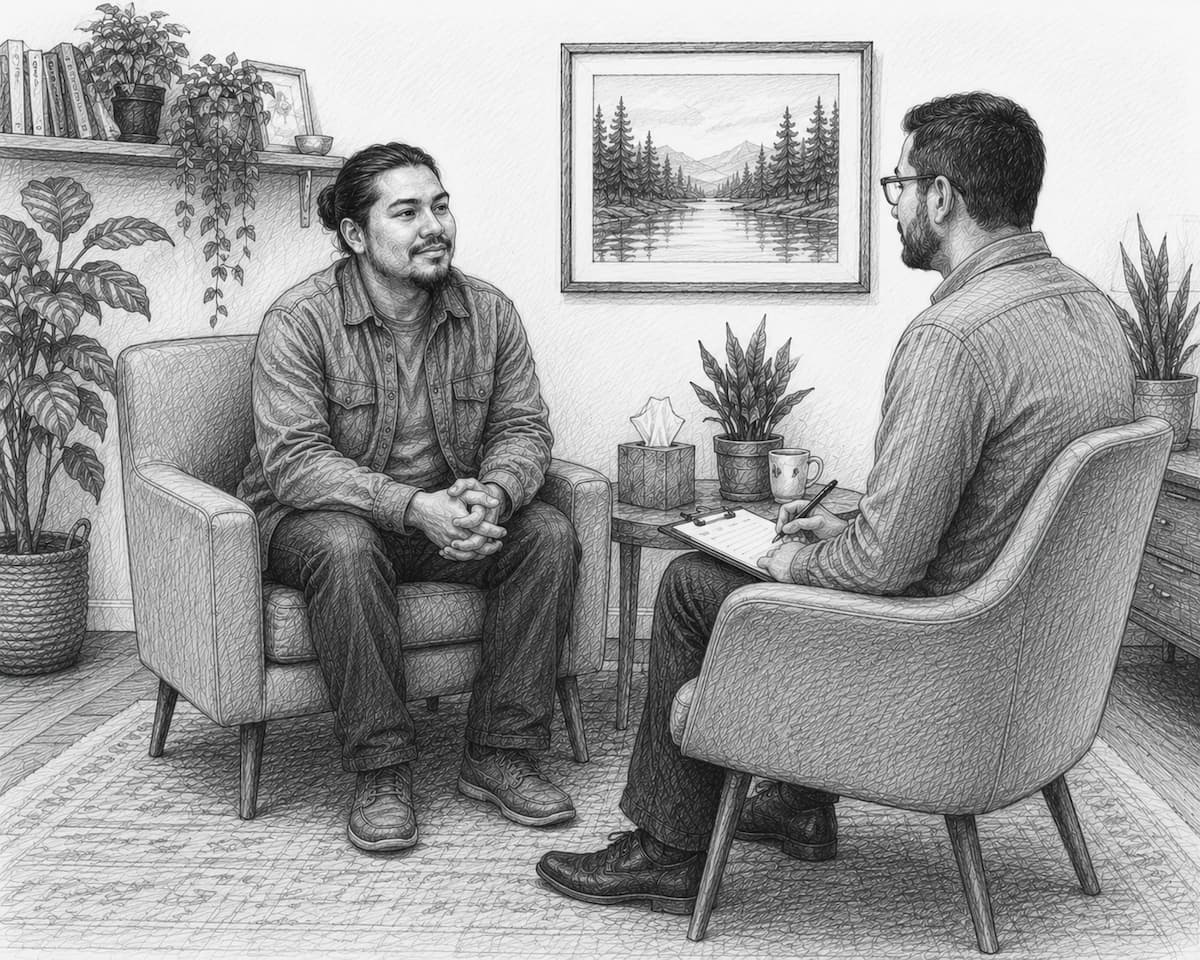
Wondering how much therapy you can actually access through NIHB? The program provides up to 22 hours of counselling for each eligible First Nations or Inuit client every calendar year.
That 22-hour cap applies per individual, so each eligible person has a distinct allotment rather than sharing a family pool. You'll see slight differences in wording across sources—federal documents often say "calendar year," while some clinic materials say "every 12 months"—but these describe the same annual limit, not different amounts.
The good news is that this benefit renews at the start of each new calendar year, so it isn't a one-time or lifetime maximum. If you need more support, additional hours may be provided on a case-by-case basis.
Your 22 hours cover professional mental health counselling specifically, separate from other NIHB benefits like dental, vision, or prescription drugs.
Whether you choose individual, family, or group sessions, in person or virtually, those hours all draw from the same annual pool.
Can You Get More Than 22 Sessions?
What happens if you need more than those 22 hours? You can still get coverage, but it isn't automatic. NIHB treats sessions beyond 22 hours as extended coverage, available only through an exception request that undergoes individual review.
Your mental health provider handles this process, so you don't have to manage the approval yourself. They submit the request to Express Scripts Canada through the NIHB portal or another approved channel, including your diagnosis, a written treatment plan, and the specific number of additional hours being sought.
Approval depends on demonstrating a clinical need for continued treatment rather than routine or optional attendance.
Because each request is assessed case-by-case, extended coverage typically prioritizes higher-severity, chronic, or complex situations where standard hours aren't enough for safe, effective care. This approach mirrors a broader shift in mental health care, as some providers like WSU's CAPS have moved to lift therapy session limits entirely in response to student feedback.
The good news? Providers report that many cases receive approval when strong clinical justification is submitted, so a thorough request really matters.
Does NIHB Cover Trauma, Grief, and Anxiety Counselling?
Trauma, grief, and anxiety rank among the most common reasons people seek therapy, and NIHB recognizes all three as eligible concerns within its mental health counselling benefit.
When you access an NIHB-approved provider, you can receive trauma-focused care that may include EMDR and other evidence-based modalities, along with dedicated support for intergenerational trauma linked to colonial policies and residential schools.
Grief and loss are explicitly covered too, whether you're processing bereavement, community losses, or the lasting effects of historical harm. Anxiety counselling rounds out these core concerns, often delivered alongside trauma and grief work because these issues frequently co-occur.
Eligible First Nations and Inuit individuals can access up to 22 hours of professional counselling per calendar year, with additional hours available upon therapist recommendation.
Because these services are trauma-informed and culturally relevant, your care recognizes Indigenous histories, identities, and community contexts. You can choose individual, couple, family, or group counselling, depending on your provider's offerings and clinical needs.
When you work with enrolled clinicians, you typically won't face direct out-of-pocket costs for this support.
How to Start Accessing NIHB Counselling
Getting started with NIHB counselling begins with confirming that you're eligible, which means you're either a registered First Nations person under the Indian Act or an Inuit beneficiary recognized by an Inuit Land Claim organization, and you hold a valid NIHB client identification number.
Once you've verified your eligibility, you'll need to gather your details and locate an NIHB-enrolled provider. Most clinics confirm your coverage through Express Scripts Canada before booking your first session, so accurate information helps you avoid delays or denials. Eligibility verification typically takes 1 to 2 business days.
Accurate details and an NIHB-enrolled provider are your first steps—clinics verify coverage through Express Scripts Canada before booking.
- Have your legal name, date of birth, and status card or Inuit beneficiary card number ready.
- Find an NIHB-enrolled psychologist, social worker, or qualified mental health professional.
- Look for clinics advertising culturally safe, trauma-informed services for Indigenous clients.
- Prepare to discuss your presenting concerns, relevant history, and current supports.
- Provide contact information so the clinic can schedule appointments and send reminders.
You're now ready to begin.
This article is intended for educational and informational purposes only and should not be considered medical, legal, or financial advice. NIHB policies, provider eligibility, and coverage procedures may change over time and can vary depending on individual circumstances. For the most current information, contact Indigenous Services Canada, Express Scripts Canada, or a qualified healthcare provider familiar with NIHB mental health counselling services. If you are experiencing a mental health crisis or require urgent support, contact emergency services, 9-8-8, or Hope for Wellness immediately.