NIHB Counselling for Panic Attacks

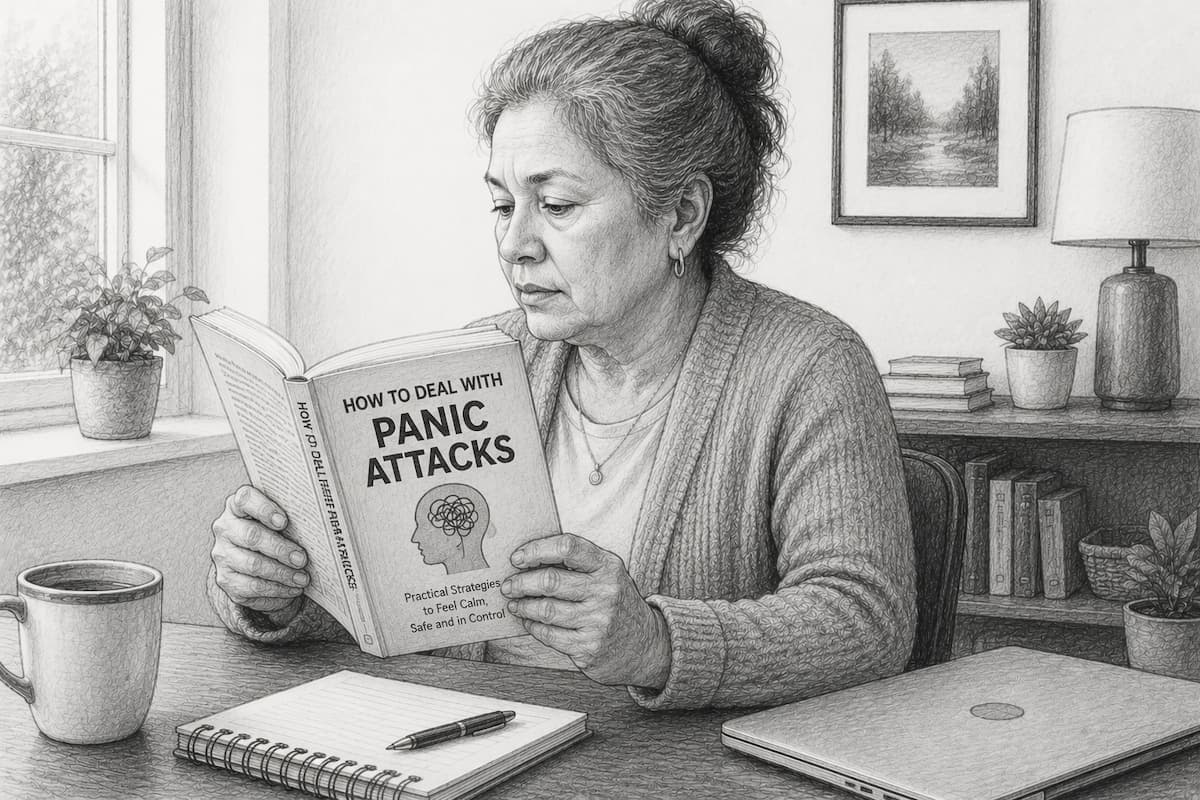
One moment you're calm, and the next your heart's pounding like you've sprinted a mile—yet you haven't moved an inch. Panic attacks can strike without warning, leaving you breathless and afraid.
If you're struggling, you don't have to face it alone. NIHB offers counselling support that could change how you cope. But before you reach out, there's something important you should understand first.
Key Takeaways
- NIHB covers counseling for panic attacks, recognized under anxiety-related concerns eligible for mental health benefits.
- Coverage provides up to 22 hours of professional counseling per calendar year with no deductibles.
- Services from NIHB-enrolled psychologists, social workers, or mental health professionals are 100% covered.
- Cognitive Behavioral Therapy (CBT) is the primary, evidence-based treatment for managing panic disorder.
- Access begins through healthcare providers, with documentation of symptoms essential for assessment and treatment.
What Panic Attacks Feel Like and When to Seek Help
Anyone who's lived through a panic attack knows it can feel terrifying, even when there's no real danger in sight. You might feel your heart pounding, your breath quickening, and your hands trembling, all peaking within minutes.
Some people feel chest tightness, dizziness, nausea, or a strange sense that the world isn't quite real. Often you'll feel an urgent need to escape, alongside a fear of losing control, collapsing, or even dying. It's reassuring to remember that panic attacks, while frightening, do not cause physical harm.
These episodes can come in waves over several hours, leaving you exhausted. If you're having recurrent or unexpected attacks, worrying constantly about the next one, or avoiding work, travel, or social situations, it's time to seek help.
A GP or mental health professional can assess you and recommend effective treatment.
Does NIHB Cover Counselling for Panic Attacks?
Does NIHB Cover Counselling for Panic Attacks?
If you're wondering whether the Non-Insured Health Benefits (NIHB) program will help cover counselling for panic attacks, the answer is yes.
Panic attacks and panic disorder fall within the broader category of anxiety-related concerns, which NIHB recognizes as covered conditions alongside trauma, grief, depression, and burnout from stress. Coverage applies to services delivered by an NIHB-enrolled psychologist, social worker, or qualified mental health professional.
Mental health counselling is a core benefit under the program, designed to complement community and other wellness services. You can access up to 22 hours of professional counselling per calendar year on a fee-for-service basis, with NIHB covering 100% of eligible costs and no deductibles.
NIHB covers 100% of eligible counselling costs—up to 22 hours per year, with no deductibles to worry about.
If you need more than 22 hours, your provider can submit an exception request that documents your clinical need.
This coverage applies nationally, so where you live in Canada won't limit your access.
How CBT Through NIHB Calms Panic Attacks
When you access counselling for panic attacks through NIHB, the approach your provider most often uses is Cognitive Behavioral Therapy (CBT), the psychosocial intervention with the strongest empirical support for panic disorder.
CBT calms panic in stages. First, psychoeducation reframes attacks as intense but time-limited "false alarms," so you stop interpreting a racing heart or shortness of breath as dangerous.
Next, cognitive restructuring targets thinking traps—like overestimating your odds of fainting or "going crazy"—by weighing evidence and labelling sensations as "panic" rather than catastrophe.
Finally, exposure retrains your response: interoceptive exercises safely provoke feared sensations, while in vivo exposure reduces avoidance of crowded places or transportation.
Combined with breathing retraining and culturally attuned examples, these components lower your panic frequency, intensity, and disability. Your provider may also discuss a physician referral when an underlying medical condition could be contributing to your panic symptoms.
Getting Started With NIHB Panic Attack Counselling
Although panic attacks can make even the simplest tasks feel overwhelming, getting started with NIHB counselling is more straightforward than you might expect. You can begin through a family physician, nurse practitioner, community health centre, or Indigenous mental health worker who documents your panic symptoms and their impact on daily life.
If you're in crisis with acute safety concerns or severe symptoms, you can often access counselling directly, and your provider then submits justification to NIHB afterward. To find an NIHB-approved therapist, check with your band health office, Indigenous community organizations, or provider directories that note NIHB billing.
Before your first appointment, gather your NIHB client number, medication list, previous diagnoses, and any records from panic-related emergency visits to support assessment and treatment planning. It also helps to come prepared with questions and concerns so your first therapy session addresses what matters most to you.
Conclusion
You don't have to face panic attacks alone, and you don't have to pay to get help. Through NIHB, you can access up to 22 hours of counselling each year, connecting with professionals who understand what you're going through.
When the racing heart strikes, when the fear builds, you've got real support within reach. Take that first step, reach out today, and start reclaiming the calm you deserve—one session at a time.
This article is intended for educational and informational purposes only and should not be considered medical, legal, or financial advice. NIHB policies, provider eligibility, and coverage procedures may change over time and can vary depending on individual circumstances. For the most current information, contact Indigenous Services Canada, Express Scripts Canada, or a qualified healthcare provider familiar with NIHB mental health counselling services. If you are experiencing a mental health crisis or require urgent support, contact emergency services, 9-8-8, or Hope for Wellness immediately.