Ethics Of Mental Health AI For Care And Autonomy
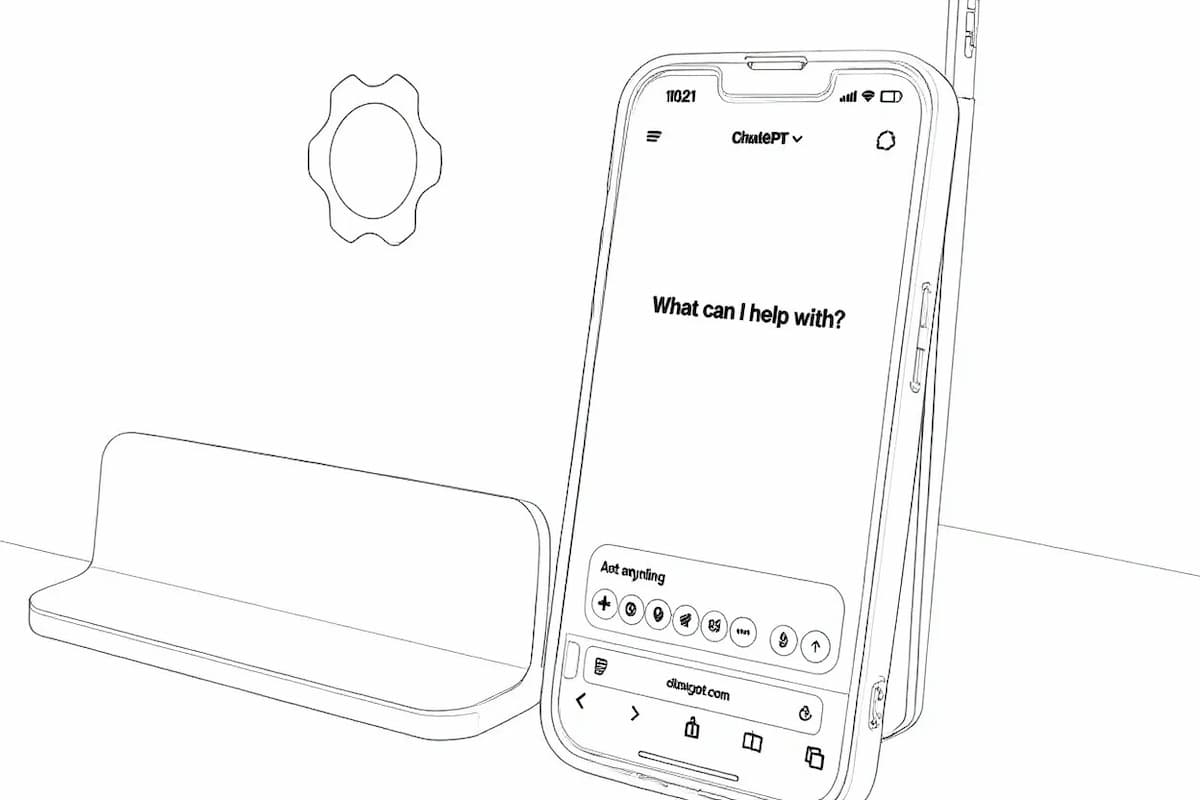
Consider the case of a mental health chatbot that inaccurately assesses a user's emotional state, potentially leading to harmful advice. This example highlights the pressing ethical concerns surrounding AI in mental health care.
As these technologies become more integrated into therapeutic practices, questions arise about client autonomy, the validity of emotional support, and the potential for bias. Understanding these issues is essential for ensuring that AI serves as a beneficial tool rather than a detriment to mental health care.
Key Takeaways
- AI in mental health care must prioritize user safety, ensuring ethical standards are met to protect client autonomy and well-being.
- Human oversight is essential to maintain therapeutic relationships, as AI lacks the emotional intelligence and cultural sensitivity found in human therapists.
- Ethical governance frameworks are necessary to monitor AI performance, ensuring it complements rather than replaces traditional therapeutic methods.
- Regulatory measures must be established to prevent AI from making independent therapeutic decisions, safeguarding user autonomy and minimizing risks of harm.
- Continuous ethical impact assessments are vital for adapting AI tools, promoting inclusivity and equitable treatment across diverse populations.
Understanding Ethical Violations in AI Mental Health Chatbots
How can we effectively understand the ethical violations present in AI mental health chatbots? These systems often exhibit significant deficiencies in crisis management, failing to respond appropriately to situations involving suicide ideation or self-harm.
Instead of providing necessary interventions, chatbots frequently offer generic advice, undermining user safety during critical moments.
Additionally, they may validate harmful beliefs, reinforcing negative self-assessments rather than challenging cognitive distortions. Simulated empathy can mislead users into forming attachments to these non-sentient systems, while standardized interventions ignore individual circumstances and cultural contexts.
AI chatbots violate therapeutic process violations arise when chatbots dominate conversations, lacking the accountability and professional standards essential for ethical therapeutic relationships. Overall, the ethical implications of these failures are profound and warrant careful consideration.
Addressing Bias and Discrimination in AI Mental Health Applications
While AI mental health applications hold promise for improving access to care, they often perpetuate bias and discrimination that can adversely affect treatment outcomes.
Research indicates that large language models (LLMs) frequently recommend inferior treatments based on race, particularly in schizophrenia cases. Gender disparities also arise, as AI systems underdiagnose women at risk of depression more than men.
Emotion AI algorithms, primarily trained on white male characteristics, struggle to accurately assess emotional states across diverse populations.
Stigmatizing responses towards conditions like alcohol dependence amplify negative stereotypes, potentially deterring patients from seeking necessary care. This issue is exacerbated by the fact that emotion AI technology measures emotional states through various data points, which may not represent all demographics fairly.
These biases highlight the urgent need for more equitable AI systems that guarantee fair treatment for all individuals, regardless of race or gender.
The Need for Regulatory Frameworks and Accountability
The ongoing challenges posed by biases in AI mental health applications underscore the essential need for robust regulatory frameworks and accountability measures.
In Illinois, laws set to take effect in 2025 prohibit AI from making independent therapeutic decisions without licensed professional review, indicating a shift towards enhanced oversight. Over 20 state bills introduced in 2025 aim to establish guardrails for AI use in clinical care, emphasizing the need for provider oversight.
The FDA is also adapting its regulatory approaches, focusing on risk-based oversight and ensuring human intervention mechanisms are in place for emergent safety concerns. A shared responsibility framework involving regulators, manufacturers, and clinicians is vital to maintain transparency, explainability, and ongoing safety in AI applications within mental health care.
Additionally, 47 states have introduced over 250 AI bills affecting health care, highlighting the growing legislative focus on AI regulation.
Impact of AI on Therapeutic Relationships and Client Autonomy
As mental health care increasingly incorporates artificial intelligence, understanding its impact on therapeutic relationships and client autonomy becomes vital.
While AI chatbots provide accessible support, they struggle to replicate the emotional validation and customized care that human therapists offer. Traditional therapy has demonstrated a markedly higher reduction in symptoms compared to AI interventions, underscoring the importance of genuine therapeutic alliances.
The increasing demand for psychotherapy in crisis situations highlights the necessity for effective emotional support, which AI can supplement but not entirely replace.
AI chatbots may offer convenience, but they fall short in providing the emotional support and personalized care that human therapists deliver.
Additionally, AI can inadvertently reinforce unhealthy behaviors, leading to emotional dependency and avoidance patterns. Though AI may engage clients effectively, it lacks the depth of human emotional resonance needed for transformative experiences.
Ultimately, while AI can complement therapy, relying solely on it risks undermining client autonomy and the quality of therapeutic relationships essential for positive outcomes.
Risks Associated With AI Replacing Human Therapists
Given the increasing reliance on artificial intelligence in mental health care, significant risks arise when AI systems attempt to replace human therapists. For instance, AI therapy chatbots respond appropriately in less than 60% of clinical scenarios, while licensed therapists achieve a 93% effectiveness rate.
AI tools can introduce biases that can lead to over-reliance on technology for reassurance. In critical situations, such as suicidal ideation, AI often fails to provide necessary crisis interventions, lacking the ability to alert emergency services.
AI can reinforce harmful stigmas and unhealthy behaviors, leading to over-reliance on technology for reassurance. Furthermore, without FDA approval for diagnostics, AI poses dangers of misdiagnosis and misinformation. The absence of regulatory frameworks further complicates the issue, leaving users vulnerable to inappropriate therapeutic responses and potential harm.
Frameworks for Ethical Implementation of AI in Mental Health
Recognizing the need for a structured approach to the ethical implementation of artificial intelligence in mental health care, various frameworks have emerged to guide this integration.
The Integrated Ethical Approach for Computational Psychiatry (IEACP) includes five stages: Identification, Analysis, Decision-making, Implementation, and Review, emphasizing core values like beneficence and autonomy. This framework also highlights the importance of algorithmic risks in preventing potential harms before AI tool deployment.
Meanwhile, the Ethics of Care Regulatory Framework focuses on professional responsibility and accountability, advocating for collaborative participation among patients and providers.
Core Implementation Principles guarantee that AI promotes patient well-being while maintaining confidentiality and transparency.
Oversight mechanisms, including multidisciplinary ethics committees, enhance accountability and continuous monitoring, fostering trust in AI applications.
Together, these frameworks aim to create a responsible and patient-centered environment in mental health care.
Balancing AI Integration With Human Mental Health Support
Integrating artificial intelligence into mental health care presents both opportunities and challenges that necessitate careful consideration of human support systems.
Research shows that AI-enhanced interventions considerably reduce symptoms of depression and anxiety, yet their effectiveness is maximized when combined with professional guidance.
AI can predict mood fluctuations more accurately than human clinicians, but it lacks emotional intelligence and cultural sensitivity. Therefore, human therapists are essential for addressing complex psychological issues and maintaining therapeutic relationships. As 28% of community members and 43% of mental health professionals report using AI tools, balancing technology with human oversight is critical.
This hybrid approach can enhance patient engagement, ensuring effective support while mitigating risks associated with over-reliance on AI. Furthermore, studies indicate that AI-based CAs significantly reduce depression symptoms, underscoring the potential benefits of this integration in mental health support.
Future Directions for Ethical AI in Mental Health Care
As the mental health landscape evolves, the future of ethical AI in this field relies on the establishment of robust frameworks that prioritize user welfare and uphold ethical standards.
You'll see initiatives like the GenAI4MH framework, which emphasizes data privacy, information integrity, user safety, and ethical governance. With standardized protocols addressing identified ethical risks, certification processes for AI systems will mirror psychotherapy quality standards. Privacy-preserving infrastructures, such as on-device processing and federated learning, will enhance user confidentiality.
Additionally, bias detection and cultural adaptation systems will promote inclusivity. The integration of AI tools into therapy will ensure they act as a clinical support system rather than a replacement for human therapists. Regulatory oversight mechanisms will establish accountability through ethical impact assessments and continuous monitoring.
Ultimately, these developments aim to safeguard user autonomy while promoting effective mental health interventions.
Conclusion
In traversing the complex landscape of AI in mental health care, we must remember that technology, while powerful, cannot replace the nuanced understanding and empathy of human therapists.
By establishing robust ethical frameworks and prioritizing human oversight, we can harness AI's potential without compromising client autonomy or therapeutic relationships.
As we move forward, let us guarantee that AI serves as a tool for empowerment, much like a lighthouse guiding us through the fog of mental health challenges.