Grounding Techniques For Existential Dread
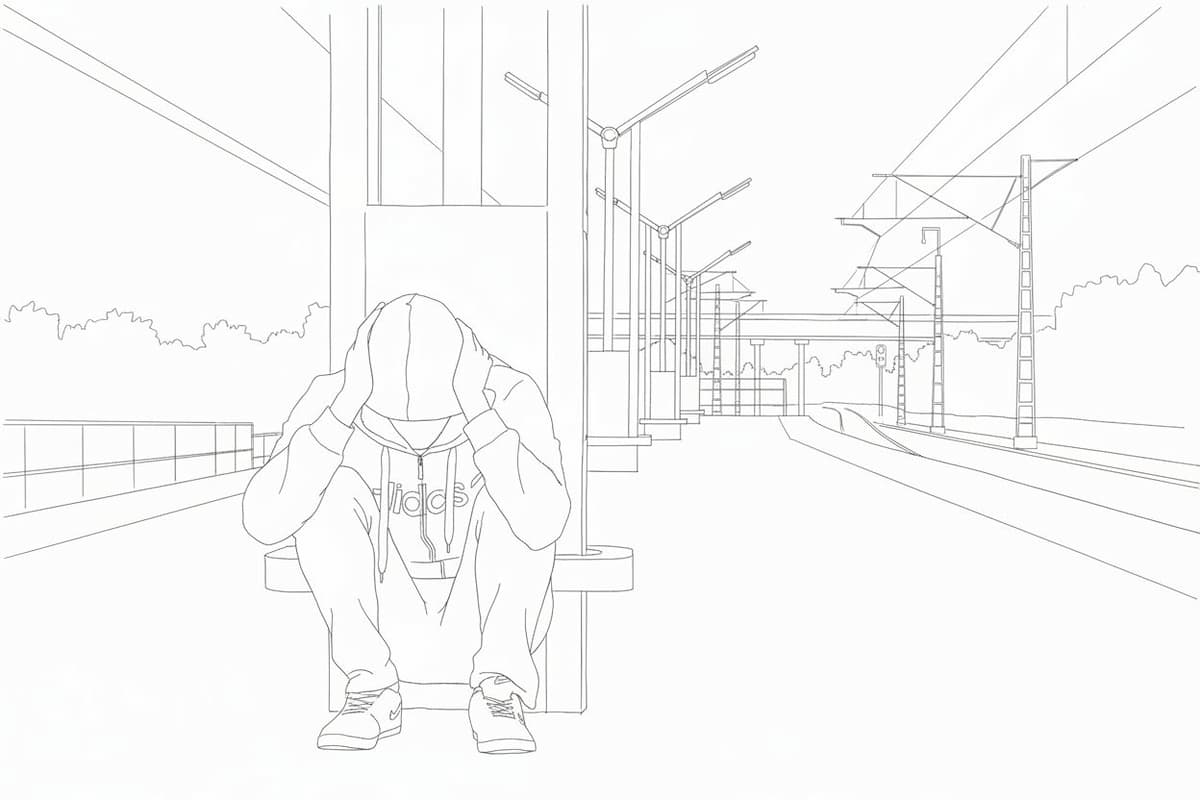
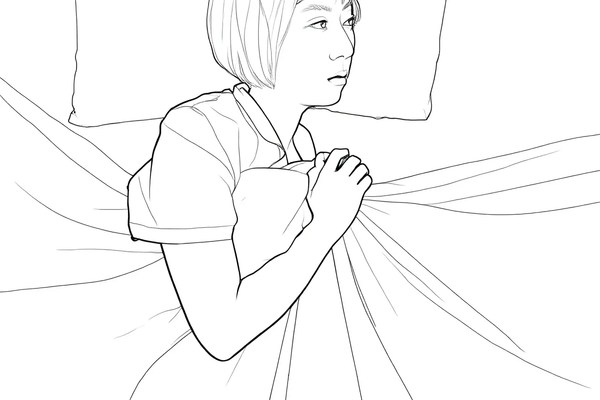
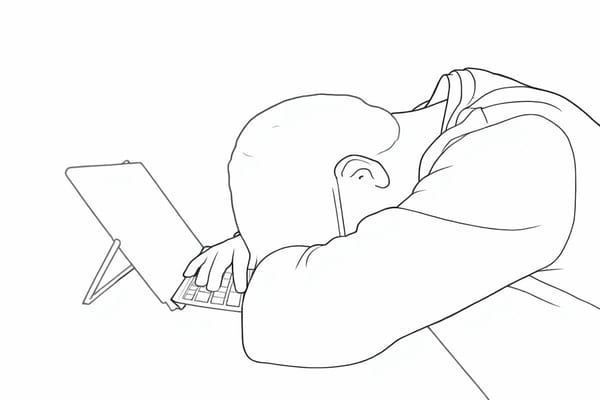
Is it true that grounding techniques can truly combat the suffocating grip of existential dread? Many people find themselves paralyzed by questions of purpose and mortality, feeling as if they’re drowning in despair. Yet, there’s a way to break free from this overwhelming anxiety.
Understanding how to effectively use these techniques could change your experience of life’s uncertainties, but knowing where to start can feel intimidating.
Let’s explore the tools that can help you regain control.
Key Takeaways
- The 5-4-3-2-1 method engages your senses to anchor awareness in the present, interrupting anxious thoughts effectively.
- Physical movement techniques like Progressive Muscle Relaxation and rhythmic activities can reset your nervous system and reduce anxiety.
- Mental engagement through puzzles, journaling, or deep breathing helps divert anxious thoughts and promotes grounding.
- Visualization techniques enhance focus on positive outcomes and can be integrated with other grounding practices for better anxiety management.
- Creating a personal grounding kit with tactile and sensory items can provide immediate relief during moments of existential dread.
Understanding Existential Dread: The Pain and Its Impact
Existential dread isn’t just a fleeting feeling; it’s a profound, unsettling awareness that can grip you at any moment, leaving you questioning everything you've ever known. This deep-seated condition evokes overwhelming anxiety and despair as you grapple with life's fundamental questions about purpose, mortality, and your place in the world.
Unlike everyday anxiety, existential dread is broader, encompassing an emotional landscape filled with emptiness, guilt, and fear.
You may find yourself constantly worrying about the future, struggling to identify your role in life, or feeling a disconnection from reality.
These symptoms often intensify during significant life changes, like graduating or facing health crises, amplifying your awareness of mortality.
Modern challenges can exacerbate these feelings, as fears about climate change and political instability contribute to a heightened sense of dread. You’re not alone in this; many experience it, yet the intensity varies.
Recognizing these feelings is essential, as they reflect a common, albeit painful, aspect of the human experience—a reminder that questioning existence is part of our journey.
How Grounding Techniques Can Alleviate Existential Anxiety
When the weight of life’s uncertainties presses down on you, grounding techniques can serve as an essential lifeline, offering a way to reconnect with the present moment.
Grounding techniques provide a vital connection to the present, helping you navigate life's uncertainties with clarity and calm.
These methods help you anchor yourself amid the swirling chaos of existential anxiety, allowing you to break free from the overwhelming thoughts that cloud your mind. By focusing on your immediate surroundings—what you see, hear, or touch—you can shift your attention away from those paralyzing questions about meaning and purpose.
This redirection offers a much-needed respite, creating space for clarity and calm. Grounding techniques not only help you regain a sense of control but also remind you that you exist in a tangible world, despite the heaviness of your thoughts.
Engaging in these techniques can activate the parasympathetic nervous system, promoting relaxation and reducing anxiety symptoms.
Embracing these practices fosters resilience, empowering you to face uncertainties with a stronger, more centered mindset, ultimately transforming your experience of existential dread into a process of exploration rather than despair.
The 5-4-3-2-1 Method: Engaging Your Senses for Instant Relief
Grounding techniques offer a powerful way to regain control when anxiety threatens to overwhelm you, and one of the most effective methods is the 5-4-3-2-1 technique. This method systematically engages your senses, anchoring your awareness in the present moment.
Begin by taking deep breaths to calm your racing heart and mind. Next, identify five things you can see, then four that you can touch, followed by three distinct sounds around you. Next, focus on two smells, whether they’re familiar or not, and finally, identify one taste.
By redirecting your attention away from anxious thoughts to tangible sensations, you interrupt the anxiety cycle. This technique not only activates your body’s natural relaxation response but also provides immediate sensory input, making it especially effective during acute episodes.
Participants in studies have reported that grounding practices can help alleviate existential distress following challenging experiences.
Feel free to download and use this 5-senses handout.
Practicing this method regularly can build familiarity, so you’re ready to combat anxiety when it strikes.
Grounding Techniques Through Physical Movement: A Reset for Your Nervous System
Physical movement can serve as a vital lifeline when anxiety feels overwhelming and relentless. Engaging in techniques like Progressive Muscle Relaxation (PMR) can dramatically ease your distress. By systematically tensing and then releasing muscle groups, you not only reduce anxiety symptoms but also cultivate a deeper connection to your body.
This practice is supported by evidence showing that PMR reduces anxiety across diverse populations.
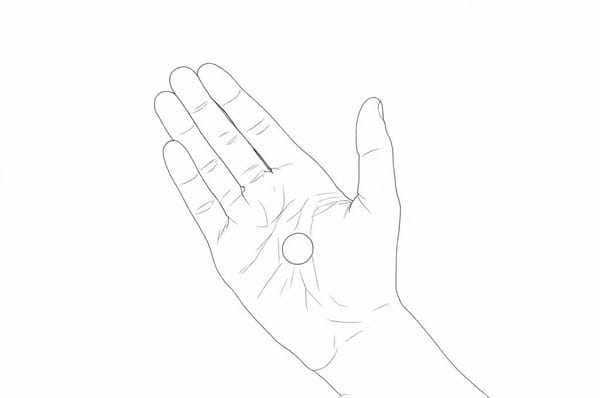
Pair this with rhythmic movements—like walking slowly while counting steps or tapping your fingers in patterns—and you can reset your nervous system effectively. Cold water immersion is another powerful tool; just immersing your face or hands in cold water for a brief period can trigger physiological responses that ground you in the moment.
Tactile grounding techniques, such as feeling different textures or walking barefoot, engage your senses directly, providing immediate relief.
Each of these methods offers a pathway to regain control over your anxiety, reminding you that movement isn’t just physical—it’s an indispensable part of your mental well-being.
Redirecting Thoughts: Mental Engagement Techniques for Anxiety Relief
Anxiety can feel like an unending cycle, dragging you down into a pit of despair and hopelessness. To break free, you need to actively redirect your thoughts.
Start by challenging negative beliefs; ask yourself if they’re truly valid or just your mind spiraling. Focus on engaging activities that demand your attention, like puzzles or reading, to pull your mind away from anxious thoughts.
Challenge your negative beliefs and immerse yourself in engaging activities to redirect anxious thoughts and reclaim your peace.
Journaling can also be powerful; writing down your worries helps externalize them, making them easier to process. Deep breathing exercises can ground you in the moment—count your breaths and focus solely on that rhythm. Recent studies indicate that mindfulness practices can significantly reduce symptoms of anxiety, providing a valuable tool for managing your thoughts.
Finally, practice gratitude; listing things you appreciate shifts your focus from anxiety to positivity. By implementing these techniques, you reclaim control over your mind and diminish anxiety’s grip.
Using Visualization Techniques to Ground Yourself in the Present
Visualization techniques can be a powerful ally in your battle against existential dread, offering a way to anchor yourself in the present. Picture yourself by the beach, feeling the waves lap at your feet, or standing beneath the rustling trees of your favorite forest.
Personalizing these scenes is essential; generic imagery often fails to resonate, so find what truly brings you peace. The “Blue Sky/Clouds Technique” helps you view your mind as a vast sky, letting intrusive thoughts drift away like clouds—don’t fixate on them.
Use imagery rescripting to reframe distressing memories, allowing you to visualize more hopeful outcomes. Alternatively, imagine unwinding a ball of yarn, symbolizing your stress gradually dissipating.
Finally, visualize someone you love, enveloped in warm light, affirming your safety and compassion. These techniques aren’t just distractions; they ground you, pulling you back from the brink of overwhelming anxiety into the clarity of the now.
Visualization techniques can also enhance performance in stressful situations, helping you focus on positive outcomes.
Feel free to download and use this visualization handout.
Your Personal Grounding Kit: Essentials for Relief
When existential dread creeps in, having a personal grounding kit at your fingertips can make all the difference. Fill your kit with tactile items like smooth stones and rubber bands that engage your senses, helping you stay connected to the present.
Include fabric swatches and kinetic sand for a satisfying, manipulative experience. Don’t forget sensory anchors: essential oils, hard candies, and soothing music can effectively redirect your focus. Grounding techniques can also help by allowing your rational brain to re-engage during moments of anxiety.
Incorporate fabric swatches and kinetic sand, along with sensory anchors like essential oils and soothing music, to refocus and ground yourself.
Visual reminders, like photos of loved ones, can reinforce feelings of safety and comfort. Choose a compact and durable container that fits in your bag, ensuring you can access these items anytime anxiety strikes.
Implement grounding techniques such as the 5-4-3-2-1 method or box breathing with your kit, empowering you to regain control in challenging moments.
Recognizing When Grounding Techniques Need Professional Support
Grounding techniques can provide immediate relief from existential dread, yet there are moments when these strategies fall short, leaving you feeling trapped in a cycle of despair.
If you start experiencing suicidal thoughts or self-harm urges, you must seek immediate help—don’t hesitate to contact the Suicide & Crisis Lifeline at 988 for 24/7 support.
Persistent anxiety, depression, or feelings of hopelessness that refuse to budge despite your grounding efforts indicate a need for professional evaluation. Negative thoughts can often cloud your perception of reality, making it challenging to see a way forward.
If daily activities, relationships, or self-care begin to crumble under the weight of your existential crisis, it’s time to reach out for specialized therapeutic support.
Remember, grounding alone can’t address deeper psychological issues, especially if you’re grappling with anxiety disorders or PTSD.
Don’t wait for symptoms to worsen; prioritize your mental health by seeking the thorough care you deserve.
Your well-being is vital, and professional guidance can make a significant difference.
Creating a Grounding Practice for Lasting Change
Creating a lasting grounding practice is essential for anyone grappling with the heavy weight of existential dread, as it offers a pathway to reclaiming control over your thoughts and emotions.
Start by identifying specific triggers—those moments when the anxiety about the future or the inevitability of death becomes overwhelming. Once you know what sets you off, choose grounding techniques that resonate with you, like mindful breathing or focusing on your physical surroundings. Grounding can provide immediate relief from anxiety symptoms, making it a valuable tool in your practice.
Consistency is key; integrate these practices into your daily routine to create a habit. Remember, it’s not just about momentary relief, but fostering a deeper resilience against the tides of despair.
Integrate grounding practices into your daily routine; it's about building resilience, not just seeking temporary relief.
Use journaling to track your thoughts and feelings, helping you recognize patterns. Finally, be patient with yourself; lasting change doesn’t happen overnight. Commit to this journey, and you’ll find the strength to navigate the uncertainties that life throws your way.