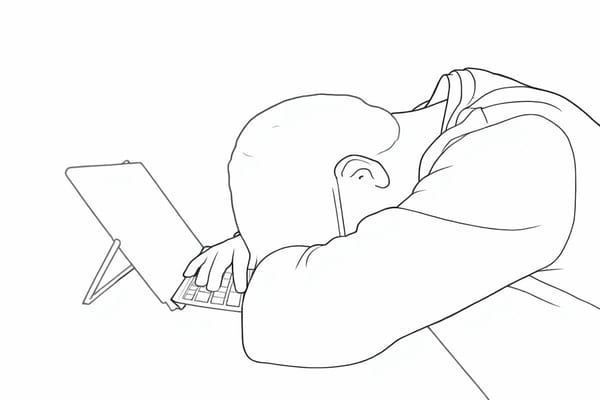
Evening Routine To Ease Existential Anxiety Before Bed
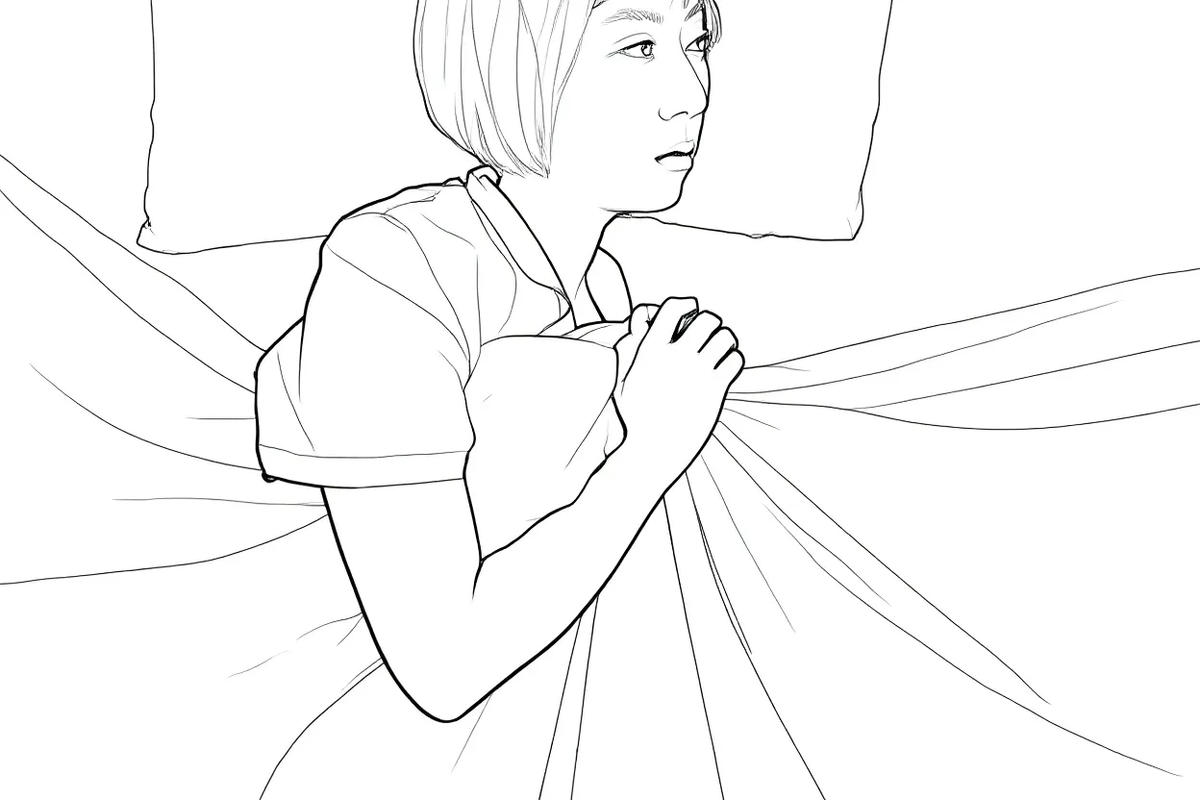
Imagine standing at the edge of a dark forest, the weight of your thoughts pressing down like an oppressive fog. Existential anxiety can cloud your mind, making sleep feel impossible, yet you can take control.
By establishing a deliberate evening routine, you can create a sanctuary of calm, shielding yourself from the chaos of the day. But how do you transform your nights from restless to restorative? The answers lie in actionable steps that can reshape your evenings.
Key Takeaways
- Establish a consistent evening routine to signal your body it's time to relax, enhancing sleep quality and reducing anxiety.
- Set a digital curfew to limit screen time before bed, improving sleep duration and quality by minimizing blue light exposure.
- Create a calming sleep environment with dim lighting and minimal noise to promote relaxation and restorative sleep stages.
- Engage in mindfulness practices like guided meditation or deep breathing exercises to alleviate stress and cultivate self-awareness before sleep.
- Schedule specific worry sessions during the day to manage anxious thoughts and prevent them from interfering with sleep.
How Existential Anxiety Affects Sleep
When you experience existential anxiety, it doesn’t just linger in your mind; it seeps into every aspect of your life, especially your sleep. This anxiety creates a vicious cycle where your worries disrupt your rest, leading to increased amygdala reactivity, which impairs emotional regulation.
You may find it harder to fall asleep, and when you do, the quality of that sleep deteriorates, making you feel more tired and anxious during the day. Sleep deprivation reduces serotonin receptor sensitivity, leaving your brain more vulnerable to anxiety, while inadequate sleep diminishes the connectivity between significant brain areas responsible for emotional control.
Research shows that insomnia is frequently linked to psychiatric disorders, particularly anxiety and major depression, further complicating your situation.
You might notice that your mood swings become sharper, and your ability to cope with daily stresses declines. This downward spiral isn’t just frustrating; it’s a serious issue that demands your attention, as the lack of restorative sleep heightens your anxiety, making it even more challenging to break free from this tormenting cycle.
The Importance of an Evening Routine for Mental Well-Being
Creating an evening routine isn't just a luxury; it’s a necessity for anyone grappling with anxiety and mental well-being. Your brain and body thrive on predictability, and a consistent nighttime ritual signals rest and recovery.
When you establish this routine, you anchor your circadian rhythms, enhancing restorative sleep stages essential for emotional stability. Poor sleep exacerbates anxiety and depression, often leading to a vicious cycle. By reducing evening cortisol levels and calming overactive thoughts, you can lower physiological arousal that interferes with sleep. Consistent routines lower evening cortisol and help create a sense of safety, which is particularly beneficial for those with trauma histories.
Moreover, when you prioritize regular sleep patterns, you greatly decrease your risk of depression and anxiety. Studies reveal that consistent bedtimes promote overall well-being, making it clear that sleep timing matters.
If you want to reclaim your mental health, embrace the power of an evening routine. It’s not just about winding down; it’s about laying the foundation for a healthier, more balanced life. Don’t underestimate the impact you can make.
Setting a Digital Curfew to Protect Sleep Quality
Setting a digital curfew isn’t just a suggestion; it’s a critical step toward improving your sleep quality and, by extension, your mental health.
With 80.7% of people regularly using smartphones at bedtime, it’s no wonder that nearly 38% report poor sleep quality. Scrolling through social media or binge-watching shows might seem harmless, but 93% of Gen Z have lost sleep due to it.
Nearly 38% of people report poor sleep quality, with 93% of Gen Z losing sleep to late-night screen time.
The consequences are serious: regular screen use can double the risk of taking over 30 minutes to fall asleep. If you’re among the 53% of college students struggling with sleep, it’s time to take accountability. Research shows that bedtime technology use significantly correlates with poor sleep outcomes and increased daytime sleepiness.
Implementing a digital curfew—putting your phone away 30 minutes before bed—can greatly improve your sleep quality. Just one week of this change has been shown to increase sleep duration by 21 minutes.
Don’t underestimate the power of a simple curfew; your mental well-being depends on it.
Replace Screens With Calming Alternatives Before Bed
After putting your phone away, it’s time to contemplate what you’ll do instead. You need to replace screen time with activities that genuinely calm your mind, pushing aside the chaos of the day.
Consider engaging in puzzles like Sudoku or crosswords; they provide gentle mental exercise without overwhelming you, allowing your worries to fade. Jigsaw puzzles can also offer a meditative experience, bringing focus and tranquility as you piece together images. Engaging in jigsaw puzzles fosters a sense of satisfaction and achievement, which can be incredibly soothing.
If you prefer something more narrative, immerse yourself in a light book or listen to soothing podcasts; the narrated stories can ease your consciousness and guide you into a peaceful state.
Knitting or adult coloring books can serve as tactile escapes, keeping your hands busy while your mind unwinds.
The key is to choose activities that foster relaxation and fulfillment, creating a nurturing space for your thoughts before sleep.
Prioritize this shift; it’s essential for your mental well-being.
Explore Physical Relaxation Techniques to Ease Tension
When anxiety grips you at the end of the day, exploring physical relaxation techniques becomes essential to reclaim your peace.
One effective method is Progressive Muscle Relaxation, where you tense and then release muscle groups, starting from your feet and working upward. Hold each tension for five seconds, then release for ten, focusing on the relief. Regular practice of this technique can lead to decreased cortisol levels and alleviate the somatic experiences of stress.
Progressive Muscle Relaxation helps you release tension by systematically tensing and relaxing muscle groups, promoting a profound sense of relief.
Alternatively, consider incorporating yoga into your evening routine. The combination of physical postures, meditation, and structured breathing calms racing thoughts and alleviates built-up tension.
Rhythmic movements, like walking or tai chi, also activate your body’s relaxation response, allowing you to redirect your focus away from anxious thoughts.
Finally, the Body Scan technique heightens your awareness of where tension resides, systematically releasing it throughout your body.
Each of these practices can greatly enhance your emotional balance, helping you face the night with a renewed sense of calm and clarity.
Practice Deep Breathing to Reduce Anxiety
Breathe deeply to reclaim control over your anxiety; it's a lifeline in moments of overwhelming stress. Slow, steady breathing activates your parasympathetic nervous system, triggering a calming response that counters the grip of anxiety.
As you exhale, feel the tension begin to dissolve, your heart rate slowing, and your mind clearing. Research shows that techniques like cyclic sighing and deep diaphragmatic breathing greatly reduce stress and enhance your mood. In fact, anxiety disorders are the most common mental disorders globally, making effective coping strategies essential for many.
Just five minutes a day can lead to lasting benefits; the effects accumulate over time, making this an essential part of your evening routine. When you commit to controlled breathing, you’re not just managing anxiety; you’re actively reshaping your emotional landscape.
Don’t underestimate this powerful tool; it’s more effective than many mindfulness practices. Take charge of your breath tonight, and pave the way for a more peaceful tomorrow. Your mental health deserves this attention.
Implement Progressive Muscle Relaxation Step-by-Step
You’ve taken the important step of practicing deep breathing, but don’t stop there; it’s time to tackle anxiety head-on with Progressive Muscle Relaxation (PMR).
Start by lying down comfortably, closing your eyes to block out distractions, and taking a few deep belly breaths to calm your nervous system. Over the next 10-20 minutes, focus on your body, beginning with your toes. Squeeze the muscles tightly for five seconds, then release and feel the tension escape.
Lie down comfortably, close your eyes, and take deep belly breaths to calm your nervous system as you focus on releasing muscle tension.
Move through your feet, calves, thighs, and buttocks, repeating each area 2-3 times to deepen your relaxation. Next, shift to your upper body—contract your abdomen, hands, and shoulders, then release.
Visualize the sensations, and say “Relax” aloud during each release. This practice not only reduces anxiety but can also enhance your sleep quality, reinforcing the idea that PMR is effective for stress reduction.
Commit to this routine, and take charge of your emotional well-being. You deserve it.
Yoga Poses for Better Sleep
Finding effective ways to wind down at the end of the day can feel challenging, especially when anxiety lingers like an unwelcome guest. Incorporating yoga into your evening routine can greatly enhance your sleep quality, allowing you to reclaim those precious hours of rest. Even a high-intensity session lasting less than 30 minutes, practiced twice a week, can yield remarkable benefits.
Focus on gentle stretches that promote relaxation, such as forward bends and gentle twists. These poses help release tension trapped in your body, calming your mind and easing anxiety. Incorporating deep breathing while you hold each pose can deepen this sense of relaxation, grounding you in the present moment.
Recent research indicates that chronic yoga practice is a safe, effective alternative to pharmacological treatments for sleep issues. Make it a priority to carve out this time for yourself; it’s not just a luxury but a necessity for your mental well-being. Embrace these practices, and you’ll find that sleep can become a sanctuary, rather than a battlefield.
How to Create Effective Worry Time to Manage Anxiety?
Creating effective worry time is essential if you want to take control of your anxiety. Set aside a specific time each day, ideally in a quiet space, to establish a consistent routine. Schedule your worry sessions for 10 to 30 minutes, ensuring they happen early enough to avoid triggering anxiety at bedtime.
During this time, allow yourself to write down your worries without judgment; document possible solutions when you can. Use a timer placed across the room to create a physical change when your session ends, signaling a shift in focus.
Immediately after, engage in a gratitude practice or some physical activity to break the cycle of anxious thoughts. By postponing your worries to this designated time, you’ll cultivate a greater sense of control over your mind, ultimately reducing the intrusive thoughts that plague you throughout the day.
This discipline can lead to long-term benefits for your mental health, especially as many rely on HelpGuide.org for essential mental health resources.
Write Down Your Worries: A Tool for Anxiety Relief
When anxiety grips you, writing down your worries can serve as a powerful lifeline, enabling you to confront overwhelming thoughts head-on. This act of offloading your concerns not only clears mental clutter but also frees up essential resources for focusing on more pressing tasks.
By engaging in expressive writing, you reduce the intensity of negative brain signals, allowing your mind to become calmer and more focused. You might find that revisiting those intimidating emotions in a structured way helps you process them, breaking the cycle of obsessive thinking. Journaling can also help individuals manage anxiety symptoms more effectively, offering clarity in times of distress.
Just eight to ten minutes of free-form writing can greatly lower your anxiety levels, offering immediate relief. Over time, consistent journaling builds emotional resilience and provides a judgment-free space to acknowledge feelings.
For starters, check out this free sheet of bedtime prompts focused on bedtime existential anxiety.
Ultimately, this practice transforms your relationship with anxiety, enabling you to move forward with clarity and strength. Don’t underestimate the power of your pen; it can be a tool for profound change.
Transform Your Evening Routine With Journaling
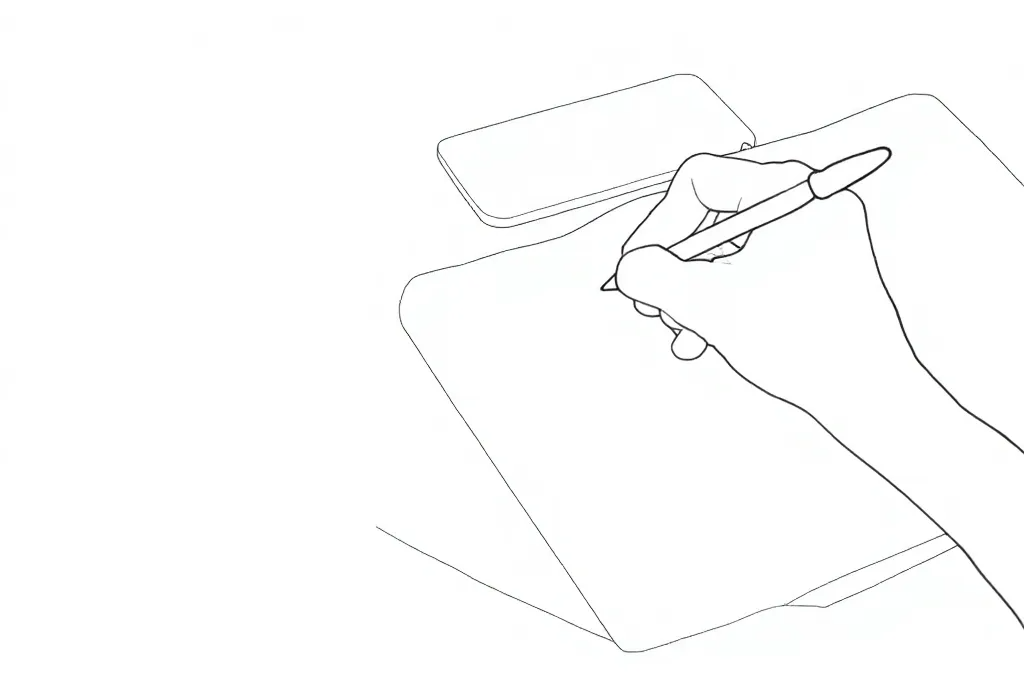
Your evening routine can be a powerful tool in managing anxiety, particularly when you incorporate journaling. By dedicating just 15 minutes each night to write, you activate your prefrontal cortex and calm the amygdala, shifting your emotional landscape.
Clinical studies reveal that regular journaling can reduce anxiety symptoms by 20-45%, providing a tangible outlet for your thoughts. This practice disrupts rumination, allowing you to externalize negative patterns and create cognitive distance from stressors. Additionally, journaling can reduce cortisol levels by up to 23%, further enhancing your stress management capabilities.
Evening journaling effectively addresses the day’s accumulated stress, lowering cortisol levels and improving your overall well-being. As you reflect on your experiences, you’ll find narrative coherence that fosters emotional resilience and clarity.
Implementing specific prompts targeting your daily struggles can deepen your understanding, equipping you with strategies to confront existential concerns. Don’t underestimate the power of this transformative practice; it can be the key to reclaiming your peace before sleep.
Visualize Calm: The Power of Mindful Release
Visualizing calm can feel like a lifeline in the turbulent sea of anxiety, offering a way to reclaim control over overwhelming emotions. By creating a mental sanctuary, you can escape to a place where safety and peace reign.
Engage your senses: imagine the sights, sounds, and smells of this haven. Deep breathing while fully immersing yourself in this space encourages tension release, making it accessible whenever anxiety strikes. Visualization techniques can be particularly effective in enhancing this calming experience.
Guided imagery can also help; listening to calming recordings redirects your mind from distressing thoughts to serene visuals. Try picturing intrusive thoughts as clouds drifting away—this non-judgmental observation separates you from the chaos.
Techniques like the body scan foster awareness and relaxation, guiding you through each muscle group. By practicing these methods consistently, you develop emotional regulation, empowering you against anxiety’s grip.
Don’t wait—commit to visualizing calm tonight and reclaim your peace.
Improve Sleep Quality With Good Sleep Hygiene
Improving sleep quality isn’t just a luxury; it’s a necessity for your mental and emotional well-being. You can’t ignore the impact of your sleep environment, as 93% of adults recognize that a comfortable mattress is essential.
Yet, if you’re keeping electronic devices in your bedroom, you’re sabotaging your own sleep. Research shows that the blue light from these devices can greatly delay how quickly you fall asleep, making it important to remove them from your sleeping space.
Keeping electronic devices in your bedroom disrupts sleep; blue light delays your ability to fall asleep.
Furthermore, optimizing your bedroom conditions—like reducing noise and ensuring a cool temperature—can dramatically improve your overall rest. Establishing a structured bedtime routine, such as taking a warm bath, prepares your mind for sleep and eases racing thoughts. Additionally, addressing poor sleep hygiene can significantly reduce symptoms of anxiety and depression.
Feel free to download and use this free sleep hygiene toolkit.
Don’t underestimate how good sleep hygiene can transform your nights; it’s time to take control of your sleep quality, as poor practices can lead to severe emotional consequences. Prioritize your health, and reclaim your nights.
Maintain a Consistent Sleep Schedule
Maintaining a consistent sleep schedule isn't just a suggestion; it's a critical component in managing anxiety and enhancing your overall mental health. When your sleep routine is stable, you greatly lower your risk of various health issues, including a startling 39% reduction in mortality risk over seven years. Stable sleep routines are essential for promoting long-term well-being.
Irregular sleep patterns are linked to heightened risks of heart disease and cardiometabolic problems, which can contribute to your anxiety. You need to understand that sleep regularity matters more than just the hours you log; it’s about how consistent you are.
Adopting a structured sleep schedule can lead to better sleep quality and improved alignment with your natural circadian rhythm. This isn’t just about feeling tired; it’s about your life and well-being.
Take accountability for your sleep, because the stakes are high, and inconsistency could be costing you more than you realize. Your mental health deserves that commitment.
How to Create a Sleep-Friendly Environment
Creating a sleep-friendly environment is a game changer for your mental health, especially when anxiety looms large. Prioritize a cool, dim room; studies show that ideal temperatures enhance sleep quality, allowing your body to unwind. Aim for a temperature that feels comfortable, as warmth and bright lights can sabotage your ability to drift off.
Next, manage light exposure—eliminate harsh artificial lighting in the evening. Dimming your lights signals your brain that it’s time to rest, directly improving your sleep efficiency. Ambiant noise is recognized as a major sleep quality factor, so consider how it might affect your evening routine.
Manage your light exposure by eliminating harsh artificial lighting in the evening to signal your brain it's time to rest.
Finally, tackle noise pollution. Position your bed away from any noise sources and consider soundproofing your space. Urban noise can drastically cut your sleep duration and quality, so take control of your environment.
A minimalist layout, free from clutter, enhances relaxation and provides the psychological space you need for restorative sleep. By focusing on these elements, you’re not just creating a bedroom; you’re crafting a sanctuary for your mental health.
Incorporate Mindfulness Practices Into Your Evening
As anxiety threatens to overwhelm your thoughts in the evening, incorporating mindfulness practices into your routine can be an essential lifeline.
Start with a guided meditation that uses theta waves; this can help you sink into full relaxation and peace. Spend 18 to 20 minutes focusing on the present moment, allowing anxious thoughts to fade as you engage in step-by-step mindfulness techniques.
Deep breathing, especially with intentional exhales, releases built-up tension while a progressive body scan identifies and alleviates stress. Visualizing warm light can further activate your relaxation response. Engaging in these practices helps cultivate self-awareness and reduces judgment of anxious thoughts.
Integrate gentle stretching with your meditation to activate your parasympathetic nervous system, signaling your body that it’s time to unwind.
This structured approach sets a calming tone for your evening, training your mind to shift smoothly from the chaos of the day to a peaceful night's sleep.
Prioritize these practices; they’re vital for your mental well-being.
Acceptance Techniques to Alleviate Anxiety
While many people struggle to push away feelings of anxiety, embracing acceptance techniques can be a powerful way to reclaim your emotional stability. Instead of fighting your anxious thoughts, acknowledge them as mere mental events, not facts. This separation reduces the grip anxiety has on your behavior, allowing you to continue pursuing your goals despite those nagging worries.
Accepting distressing feelings increases your psychological flexibility, helping you move away from avoidance and toward mindful acceptance. Studies show that acceptance considerably reduces the fear of negative evaluation, enhancing your daily functioning and quality of life. In fact, recent research highlights the effectiveness of Acceptance and Commitment Therapy (ACT) in addressing social anxiety symptoms.
Accepting distressing feelings fosters psychological flexibility and reduces fear, ultimately enhancing your daily functioning and overall quality of life.
By cultivating present-moment awareness, you can observe your thoughts without reacting, creating a necessary psychological distance. Additionally, clarifying your values redirects your focus from anxiety to living a meaningful life, fostering resilience.
These techniques aren't just strategies; they’re essential steps toward emotional liberation, urging you to confront your anxiety head-on rather than letting it control you.
Enjoy a Warm Bath for Pre-Sleep Relaxation
To unwind your mind and body after a long day, immersing yourself in a warm bath can be a transformative ritual for pre-sleep relaxation. This isn’t just about comfort; it’s about triggering your body’s natural sleep signals.
As you soak in water heated between 104°F and 109°F, your core temperature rises, followed by a cooling phase that primes you for sleep. This process doesn’t just help you fall asleep faster; studies show it can reduce the time it takes to drift off by an average of 10 minutes. Additionally, the improved circulation promotes oxygen and nutrient delivery to your muscles, enhancing overall relaxation.
It also enhances your sleep quality, increasing the duration of deep, restorative sleep. By incorporating this practice into your evening routine, you’re actively combating anxiety and stress, creating a peaceful mental state.
The heat soothes muscle tension and calms your mind, signaling to your body that it’s time to let go of the day’s burdens and embrace restful sleep.