CBT Techniques for Anxiety Explained Simply
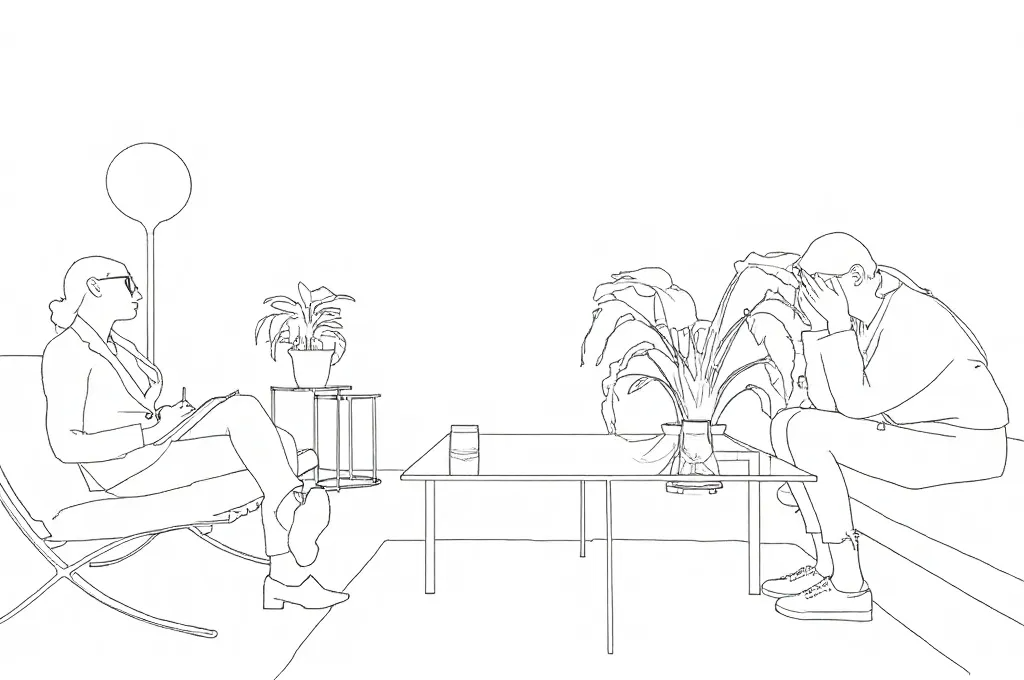
If you’re struggling with anxiety, it's vital to understand that Cognitive Behavioral Therapy (CBT) offers powerful techniques that can transform your experience. Recognizing and challenging your negative thought patterns isn’t just helpful; it’s fundamental for regaining control over your emotions and daily life.
You might feel overwhelmed, but CBT equips you with practical tools to confront these challenges head-on. Understanding how these techniques work could be the key to breaking free from your anxiety. What’s stopping you from taking that first step?
Key Takeaways
- Cognitive Restructuring: Identify and challenge negative thoughts to replace them with rational, positive alternatives, improving emotional responses.
- Gradual Exposure: Face fears step-by-step, starting with less intimidating situations to build confidence and reduce anxiety.
- Relaxation Techniques: Use methods like deep breathing, progressive muscle relaxation, and mindfulness to calm the mind and body during anxious moments.
- Behavioral Activation: Engage in enjoyable activities to counteract avoidance, boosting mood and reducing anxiety symptoms over time.
- Thought Logs: Track thoughts and feelings to recognize patterns and enhance self-awareness, aiding in managing anxiety effectively.
What Are Anxiety Disorders and Their Effects?
Anxiety disorders are more than just nerves; they can completely disrupt your life. If you’ve ever felt overwhelming worry or fear, you might be facing one of these disorders.
Generalized Anxiety Disorder (GAD) leads to constant, excessive worrying about everyday activities, draining your energy and making it hard to focus or sleep. This disorder affects approximately 4.4% of the global population, highlighting its widespread impact.
Panic Disorder brings sudden, intense terror through unexpected panic attacks, causing physical symptoms like heart palpitations and difficulty breathing.
Social Anxiety Disorder can paralyze you with the fear of judgment, making even simple conversations feel intimidating.
Specific phobias create irrational fears that can dominate your thoughts and actions, forcing you to avoid everyday situations.
Each of these disorders carries a heavy emotional burden, often resulting in isolation and frustration.
It’s essential to recognize these impacts and seek help, as living with anxiety doesn’t have to be your reality. You deserve support and understanding.
What Is Cognitive Behavioral Therapy (CBT)?
When facing the overwhelming challenges of anxiety disorders, many individuals find themselves searching for effective solutions. Cognitive Behavioral Therapy (CBT) offers a structured approach to tackle these issues head-on.
At its core, CBT revolves around the idea that your thoughts, emotions, and behaviors are interconnected, and that negative automatic thoughts often fuel your distress. By identifying these distorted beliefs, you can begin to alter them, gaining control over your emotional responses.
CBT emphasizes the connection between thoughts, emotions, and behaviors, empowering you to reshape distorted beliefs and gain emotional control.
The cognitive model emphasizes the importance of core beliefs, which shape how you perceive yourself and the world. Through techniques like cognitive restructuring and activity scheduling, CBT empowers you to develop better coping strategies. Therapy is tailored to individual needs, emphasizing an evolving treatment formulation.
This therapy isn't just about talking; it involves actively engaging in changing your thought patterns and behaviors. Ultimately, CBT aims to equip you with the skills necessary to manage your anxiety independently, fostering long-term mental well-being.
How Many Sessions Does CBT Typically Require?
How many sessions do you really need to tackle anxiety with Cognitive Behavioral Therapy (CBT)?
Generally, the number of sessions varies based on your anxiety severity. For mild anxiety, you might find relief in just 3 to 12 sessions, typically wrapping up in one to three months.
If your anxiety is moderate, expect to commit to around 12 to 24 sessions, often spanning four to six months, to truly see improvement.
Severe anxiety, however, demands a more intense approach—at least 24 sessions, and sometimes even 48 or more. Each session lasts about 45 to 50 minutes and is usually held weekly. NICE recommends these guidelines to help ensure effective treatment.
While these guidelines exist, remember that individual responses vary. Some might feel better after just a few sessions, while others may require more time.
It's essential to stay committed to the process, as the journey to managing anxiety is significant and deserves your full attention.
The Importance of Treatment Duration in CBT
In traversing the complexities of Cognitive Behavioral Therapy (CBT), understanding the significance of treatment duration can’t be overstated, as it directly impacts your journey toward recovery.
Research shows that the average treatment duration is about 11.4 sessions, with significant symptom reductions occurring within 12 months after completion. While many achieve reliable positive changes, it’s vital to recognize that these effects can plateau after the first year.
You might feel frustrated, especially if symptoms linger, highlighting the chronic nature of anxiety disorders. Without sustained treatment, the risk of relapse increases, complicating your path to wellness. Recent studies indicate that relapse rates ranged from 0% to 14% after 3 to 12 months, underscoring the importance of ongoing support.
Although some gains can last long-term, like those for PTSD, evidence for outcomes beyond 12 months is limited. Consequently, committing to a structured treatment duration is essential; it lays the groundwork for skills that help maintain progress, ensuring you stay on track and minimize the chances of setbacks.
How to Restructure Your Thoughts
Restructuring your thoughts is essential for breaking free from the grip of anxiety, especially when those thoughts spiral into negativity and self-doubt. You must recognize cognitive distortions like black-and-white thinking and catastrophizing, which warp your perception of reality.
By identifying these patterns, you can challenge them effectively, asking yourself critical questions: “Is this thought realistic?” and “What evidence supports it?” This process isn’t just about correcting errors; it’s about transforming how you view situations, thereby altering your emotional responses and actions.
Take a look at common thinking traps with this simple worksheet:
Start by recording your automatic thoughts and the feelings attached to them, pinpointing those that cause the most distress. From there, develop alternative perspectives, focusing on reality rather than fear. Engaging in this practice helps you cultivate functional thought habits that can enhance your emotional resilience.
This isn’t easy, but it’s vital for reclaiming control and clarity in your life. Commit to this practice, confront your thoughts, and watch as anxiety loses its hold on you.
Using the Three-Column Technique for Thought Management
Using the Three-Column Technique can be a game changer when it comes to managing your anxiety, especially if you're tired of being trapped in a cycle of negative thoughts.
This technique, developed by Dr. David Burns, allows you to confront and dismantle your automatic negative thoughts (ANTs) effectively. Start by writing down these ANTs in the first column.
In the second column, identify the cognitive distortions at play—like all-or-nothing thinking or catastrophizing.
Finally, in the third column, replace those harmful thoughts with rational, fact-based alternatives. This structured approach not only takes about five minutes to complete, but it’s also essential for breaking the cycle of distortion.
By consistently practicing this technique, you’ll gain awareness of your thought patterns, enabling you to interrupt irrational thoughts before they escalate into overwhelming anxiety.
This isn’t just a coping mechanism; it’s a pathway to reclaiming your mental clarity and emotional strength, as consistent results have been observed with daily writing practice in therapy.
Identifying Automatic Thoughts: Your First Step
Identifying automatic thoughts is essential, especially when anxiety feels overwhelming and relentless. These spontaneous, fleeting thoughts arise without your conscious choice, often skewing your perception of reality.
They can trigger intense emotional responses, leading to physical symptoms like increased heart rate and shortness of breath. Recognizing that thoughts influence emotional and physical states can help you understand the root of your anxiety.
To confront these thoughts, slow down during moments of anxiety and reflect on what you’re feeling. Keep a thought record or journal to capture these negative patterns, and pay attention to your body language and facial expressions as you navigate uncomfortable situations.
Mindfulness is vital—ask yourself, “What am I thinking right now?” when anxiety hits. Recognizing these automatic thoughts is a foundational step in breaking the cycle of anxiety, empowering you to challenge and reshape these harmful beliefs.
It’s time to take accountability for your thoughts; doing so can pave the way for improved mood, self-esteem, and healthier coping strategies.
Recognizing Cognitive Distortions and Their Impact
Cognitive distortions, like a heavy fog, can cloud your judgment and skew your perception of reality, making it nearly impossible to see situations clearly. These faulty beliefs, such as all-or-nothing thinking, catastrophizing, and emotional reasoning, create a black-and-white view of life that ignores the complexities around you.
This rigid mindset can propel you into constant anxiety, as you fear failure and obsess over perfection. You might feel perpetually on edge, anticipating disaster if you don’t achieve the impossible. Such thinking not only heightens anxiety but can also lead to feelings of worthlessness and hopelessness, trapping you in a cycle of self-criticism.
Identifying these distortions is crucial for mental health, as it allows you to challenge and reframe your thoughts.
Recognizing these distortions is essential; they warp your view of yourself and the world, reinforcing negative self-perceptions and contributing to mental health issues. It’s time to challenge these harmful thoughts and reclaim your clarity. You deserve to see the full spectrum of life’s possibilities.
Crafting Rational Responses to Negative Thoughts
Recognizing cognitive distortions is just the beginning; now it’s time to confront and reshape those negative thoughts that plague your mind. You must tackle irrational beliefs head-on using the Three Rational Questions Technique.
Start by asking yourself, "Is my thought based on fact?" If you answer "no," dig deeper. Next, consider, "Does my thought help me achieve my goals?" If it doesn’t, it’s time for a change.
Finally, ask, "Does my thought help me feel the way I want to feel?" Again, a negative response reveals an opportunity for growth. Regular practice is essential for managing anxiety and depression and helps reinforce rational thinking over time.
A negative response signals an opportunity for growth; challenge your thoughts to cultivate the feelings you desire.
This process isn’t just a one-time effort; it requires daily practice to truly shift your mindset. By systematically challenging these automatic thoughts, you can replace them with more constructive and realistic alternatives, improving your mood and overall functioning.
Don't let these negative beliefs dictate your life—take control, question your thoughts, and craft rational responses that empower you.
How to Gradually Face Your Fears
Facing your fears isn’t just a choice; it’s a necessity for reclaiming control over your life. You can't let anxiety dictate your actions any longer.
Gradually confronting your fears through exposure therapy is essential. Start with mild situations that provoke anxiety, then build up to more intense experiences. This isn’t about jumping in headfirst; it’s about systematically dismantling the fear structure in your mind. Cognitive restructuring helps you challenge the negative thoughts that fuel your anxiety.
Each exposure teaches your brain that the catastrophic outcomes you dread are unlikely, even survivable. By facing fears—be it through in vivo, imaginal, or even virtual reality—you’re interrupting the cycle of avoidance that reinforces your beliefs.
Remember, this process demands your commitment. You’ll need to confront not just the situations, but also the safety behaviors that keep you tethered to your fears.
Feel free to use this Fear Ladder worksheet to practice Exposure:
It’s time to take accountability for your mental well-being, break free from the chains of anxiety, and reclaim your life.
Building Your Fear Hierarchy
After you’ve started facing your fears, the next step is to build your fear hierarchy—a personalized roadmap designed to guide you through the challenging process of exposure therapy.
This hierarchy, also known as a fear ladder, ranks anxiety-provoking situations from least to most intense. Collaborate with your therapist to identify these triggers, focusing on one source of anxiety as your main target.
Each situation will receive a Subjective Units of Distress (SUDS) rating from 0 to 100, helping you gauge your anxiety levels. Your list should typically contain 10 to 15 items, emphasizing deeper fears rather than surface-level anxieties.
As you construct this hierarchy, it’s essential to reflect deeply, using techniques like the downward arrow to uncover your core fears. Identifying feared situations collaboratively with a therapist is crucial for creating an effective hierarchy.
This personalized tool not only serves as a guide for exposure therapy but also fosters a mutual understanding of your emotional landscape, holding you accountable for your progress.
Steps for Gradual Exposure to Anxiety Triggers
Gradual exposure to anxiety triggers is essential for reclaiming control over your life, and it demands your full commitment and courage. Start by identifying your specific triggers—think about situations, thoughts, or stimuli that provoke your anxiety.
Create a fear hierarchy, ranking these triggers from least to most anxiety-inducing. Focus on those with a SUDS rating of 30–40 to build your confidence. Once you’ve established this hierarchy, begin your exposure practice during therapy sessions.
Stay in these situations until your anxiety naturally decreases; this is vital for learning to cope. Resist the urge to escape prematurely, as doing so hinders your progress.
As you go through this process, you’ll notice that anticipatory anxiety diminishes, and you’ll gain valuable skills for handling even the most challenging scenarios. This approach is designed to desensitize individuals to anxiety-provoking stimuli effectively.
Mastering Relaxation Techniques for Anxiety
Mindfulness and Body Scan Meditation shift your focus to the present, helping you confront anxious thoughts without judgment. These methods improve your capacity to manage stress and regulate emotions. Regular engagement in these techniques can restore normal functioning in your autonomic nervous system, further easing anxiety.
Autogenic Training further enhances your relaxation by using self-suggestion to create sensations of heaviness and warmth. Guided Imagery allows you to visualize calming environments, drawing your attention away from anxiety.
Integrating these relaxation strategies into your routine not only decreases anxiety but also enhances your overall engagement with therapeutic interventions, making them essential tools on your journey to mental wellness.
How to Use Deep Breathing for Instant Calm
When anxiety threatens to overwhelm you, deep breathing can serve as a powerful tool for instant calm, cutting through the chaos that clouds your mind. By focusing on your breath, you can slow your respiratory rate, which directly reduces anxiety symptoms.
Start with diaphragmatic breathing, inhaling deeply through your nose and exhaling slowly through your mouth. This technique shifts your body from a stress response to a relaxation state, activating your parasympathetic nervous system.
Practicing cyclic sighing for just five minutes daily can notably improve your mood and overall well-being. Keep your sessions consistent; longer practices yield better results. Incorporating breathwork can effectively address symptoms of anxiety disorders, highlighting its importance as a complementary strategy in managing anxiety.
Understanding Progressive Muscle Relaxation (PMR)
Progressive Muscle Relaxation (PMR) isn’t just a technique; it’s a lifeline for those drowning in anxiety and stress. Developed in the 1920s by Edmund Jacobson, PMR operates on a simple yet profound principle: physical relaxation leads to mental calmness.
By systematically tensing and relaxing major muscle groups, starting from your feet and moving upwards, you can learn to recognize and release built-up tension. You don’t need special equipment or a professional setting—just a quiet space and your commitment.
As you practice, you’ll notice how each muscle group responds to tension, syncing your breathing with these movements. In just 10-20 minutes daily, PMR can drastically reduce anxiety symptoms and promote a sense of well-being. Additionally, research confirms that PMR's effectiveness rivals mindfulness in effectiveness, lowering cortisol and alleviating tension-related discomforts.
You owe it to yourself to embrace this powerful tool and reclaim your peace of mind.
Reintroducing Joy Into Daily Life With Behavioral Activation
Anxiety can rob you of joy, leaving you feeling trapped in a cycle of avoidance and despair. Behavioral Activation (BA) offers a lifeline, encouraging you to engage in activities that provide positive reinforcement.
By breaking the cycle of avoidance, you can reconnect with experiences that bring you pleasure and fulfillment. The essence of BA lies in its ability to shift your focus from what you fear to what brings you joy, allowing you to approach life with renewed energy.
Recent research indicates that BA's effectiveness for generalized anxiety disorder (GAD) may surpass that of traditional methods, highlighting its significance.
Expected pleasure plays an essential role, igniting specific brain regions that enhance your motivation. It's not just about the rewards you receive; it's about the anticipation of joy that drives you forward.
Implementing BA means actively seeking out activities that uplift you, fostering connections, and gradually dismantling the barriers anxiety has imposed. By embracing this approach, you reclaim your life, transforming despair into a vibrant tapestry of daily joy.
The Power of Activity Scheduling for Mood Improvement
Activity scheduling isn’t just a tool; it’s a powerful strategy that can transform your mood and reclaim your life. Originating from Lewinsohn in 1973, this technique is based on the principle that engaging in rewarding activities can lift your spirits.
By integrating this approach into cognitive-behavioral therapy, it became an essential part of treatment for depression and anxiety.
When you schedule activities that align with your values and bring you joy, you activate your brain’s natural mood boosters, like endorphins. Moreover, this technique empowers you to take control of your daily routine, boosting your self-esteem and agency.
Structured routines foster focus and provide a sense of accomplishment, further enhancing the benefits of activity scheduling.
It’s not just about doing things; it’s about breaking the cycle of negative thoughts that keep you stuck. Research shows that regular engagement in these activities greatly reduces depressive symptoms, making it a critical step toward improving your overall well-being.
Don’t wait—start scheduling your way to a better mood today.
Using Thought Logs for Monitoring Progress in CBT
Feeling overwhelmed by your thoughts can be exhausting, and without a clear way to track them, it’s easy to get lost in the chaos of your mind. Thought logs serve as practical tools that capture and examine your thoughts, feelings, and the evidence surrounding your anxious situations.
By documenting automatic thoughts during episodes, you can identify distorted thinking patterns that fuel your anxiety. Each log guides you through prompts that reveal the triggers of your anxiety, your physical sensations, and emotional responses.
You’ll start to see recurring thoughts and how they escalate your feelings, allowing you to pinpoint cognitive distortions like catastrophizing. As you challenge these thoughts, you’ll compare anticipated outcomes with actual experiences, uncovering a more balanced perspective.
Tracking your progress through thought logs not only measures symptom reduction but also helps you develop essential skills for managing anxiety independently, ultimately leading to a more stable emotional state. Additionally, using thought logs aligns with the core principles of CBT, as it emphasizes the relationship between thoughts, feelings, and behaviors.